Car Shuts off While Driving Battery Light Comes on: [Solved
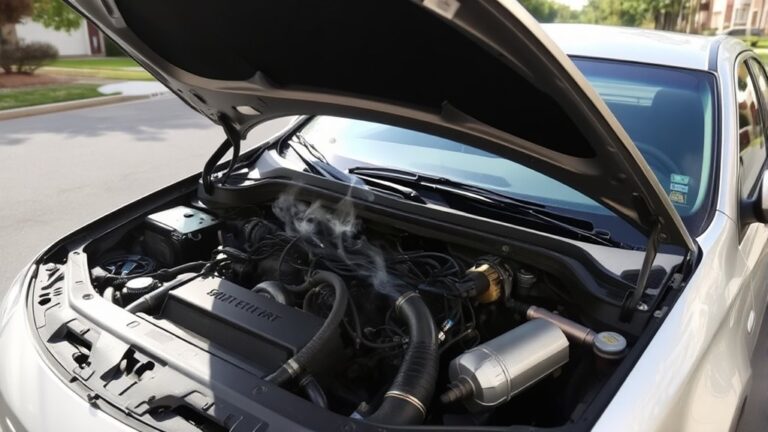
Many drivers have faced the frustrating experience of their car shutting off unexpectedly while driving, especially when the battery light suddenly comes on. If you’re dealing with this problem, you’re not alone—it’s a common issue that causes a lot of stress and worry.
Luckily, understanding what’s happening can help you stay calm and take quick action.
If your car shuts off while driving and the battery light comes on, it’s likely an electrical system issue, often caused by a failing alternator or dead battery.
First, stay calm, activate hazard lights, and pull over safely. Check your battery connections for corrosion or looseness, and if possible, test the battery and alternator.
If you keep going, you risk being stranded.
Keep going to find out more about solving and preventing this common problem.
Key Takeaways
- The battery light signals there might be an issue with your charging system, usually caused by a failing alternator or loose/bad connections.
- If your engine suddenly shuts off while driving, it often means there’s a loss of electrical power, which might be due to a bad alternator or a drained battery.
- Regularly testing your battery and alternator can help spot early signs of trouble before you end up stranded.
- Dimming headlights or slow engine cranking are warning signs that your battery or alternator could be failing.
- If this happens, activate your hazard lights, steer to the side safely, and avoid stressing the electrical system further.
What Should I Do Immediately If My Car Shuts Off on the Road?
If your car suddenly shuts off while you’re driving, stay calm and keep a firm grip on the steering wheel. Your first step is to turn on your hazard lights to alert other drivers.
If your car stalls while driving, stay calm, grip the wheel, and activate hazard lights to alert others.
Gently steer to the side of the road, preferably onto the shoulder, avoiding abrupt movements. Once safely pulled over, activate your emergency procedure by turning on your parking brake and evaluating the situation.
Do not attempt to restart the engine immediately. Instead, check for obvious issues like overheating or warning lights. If you’re unsure or the problem persists, call roadside assistance for professional help.
Stay inside your vehicle if it’s safe, especially if traffic is heavy. Keep your emergency kit handy, including a flashlight and reflective vest, in case you need to wait for help.
How Can I Recognize Warning Signs Before My Car Dies?
Keep an ear out for strange noises coming from your engine—that’s often a sign something’s not quite right before your car decides to give up on you. If you start hearing knocking, sputtering, or squealing sounds, it’s a good idea to get it checked out sooner rather than later.
Also, watch your dashboard lights. If they start flickering or if your headlights seem dimmer than usual, those could be clues that there’s an electrical issue brewing. Catching these signs early can really save you from being stranded and help keep you safe on the road.
Unusual Engine Noises
Unusual engine noises often serve as early warning signs that something is wrong under the hood. If you notice knocking, sputtering, or grinding sounds, your engine performance might be compromised, and urgent attention is needed. These noises can also come with unusual vibrations, which could mean parts are misaligned or worn out.
Recognizing these signs early can help prevent breakdowns or even engine failure. Pay close attention to the pitch, how often the sounds happen, and where they’re coming from, since each detail can point to a specific issue. Here’s a quick guide:
| Noise Type | Possible Cause | Action Needed |
|---|---|---|
| Knocking or pinging | Faulty fuel mixture or engine timing | Schedule a mechanic visit |
| Sputtering | Fuel delivery issues | Check your fuel system |
| Grinding | Brake or transmission problems | Seek professional help |
| Rattling | Loose parts or exhaust leaks | Inspect under the hood |
| Whining or squealing | Serpentine belt or pulley issues | Replace worn belts |
Flickering Dashboard Lights
Flickering dashboard lights can be more than just a temporary glitch; they often signal underlying electrical issues. Ignoring them could lead to your car stalling or breaking down unexpectedly.
You might notice dashboard indicators flashing or dimming unexpectedly. That’s a warning sign that something’s wrong with your vehicle’s electrical system.
These irregularities can point to a failing alternator, loose wiring, or a weak battery. Recognizing these signs early can help you prevent a sudden shutdown on the road.
If your dashboard lights flicker or behave abnormally, it’s important to get your vehicle checked out quickly. Addressing electrical problems early can save you from being stranded and costly repairs later.
Stay alert to changes in your dashboard indicators to keep your car running smoothly.
Weak or Dimming Headlights
Weak or dimming headlights are a clear sign that your vehicle’s electrical system might be having issues, and ignoring them could cause your car to shut down unexpectedly. When your headlights seem less bright, it often points to a failing battery or alternator. These problems cut down the power available to your car’s electrical parts, raising the risk of an unexpected breakdown.
Watch for warning signs early, like flickering headlights or inconsistent brightness. If your headlights dim when you accelerate or brake, that’s another red flag. Also, keep an eye on your dashboard for a battery warning light.
Dealing with dim headlights quickly can help prevent battery failure and keep your electrical system running smoothly. Ignoring these signs might leave you stranded, especially if your battery can’t hold a charge anymore.
How to Check Your Battery and Alternator
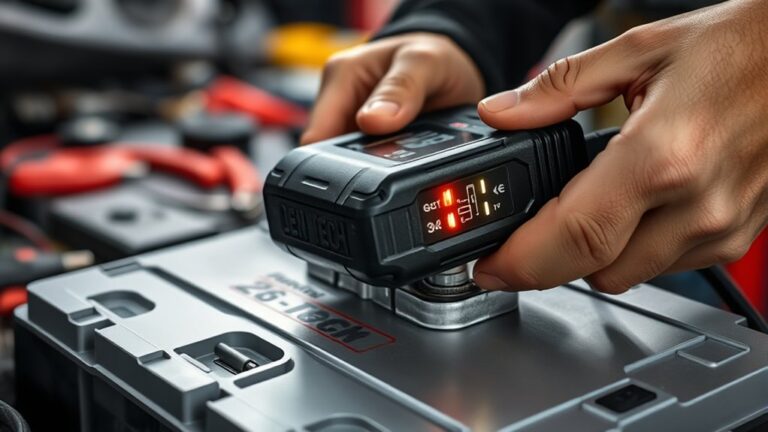
To check your battery, grab a multimeter and test its voltage. When the engine is off, you’re looking for around 12.6 volts—that’s a good sign your battery is healthy.
Now, to see if your alternator is working properly, start the engine and look at your headlights and dashboard. If your headlights stay bright and there are no warning lights on the dash, that’s a good sign. But if you notice dimming lights or warning lights flickering on, it might be time to have both the battery and alternator checked out more thoroughly or even replaced.
Testing Battery Voltage
Before you start troubleshooting why your car shuts off while driving, it’s important to test your battery voltage. Proper testing helps you see if your battery needs maintenance or a replacement.
To do this, grab a multimeter set to DC volts. Connect the red probe to the positive terminal and the black probe to the negative terminal.
A healthy battery should read around 12.6 volts when the engine is off. When you start the engine, voltage should rise to about 13.7 to 14.7 volts, showing your charging system is working.
Keep in mind that if the voltage is consistently low, it points to a weak or failing battery. Fluctuations during startup can indicate poor connections or need for maintenance.
Regular voltage testing can help prevent unexpected stalls and battery failure.
Inspecting Alternator Function
Checking your alternator’s function is really important because it charges the battery and powers your vehicle’s electrical systems while you’re driving.
To test the alternator, start with a multimeter set to measure voltage. With the engine running, check the battery voltage; it should be between 13.8 and 14.4 volts.
If the reading is lower, your alternator might not be charging properly. You can also check the voltage regulation by turning on accessories like headlights or the AC and seeing how the voltage responds.
Here’s a simple visualization:
| Accessory | Voltage Reading | Expected Result |
|---|---|---|
| Headlights | 13.8 – 14.4 V | Normal, alternator working |
| AC | Slight increase | Proper voltage regulation |
| Radio | Stable voltage | Good alternator health |
| Idle | Consistent output | Proper voltage regulation |
This quick check helps you identify if your alternator is working properly.
Testing Your Car’s Charging System at Home or With a Mechanic
Testing your car’s charging system is pretty straightforward and you can do it at home with some basic tools or have a mechanic handle it.
Proper testing helps catch issues early, keeping your charging system in check and preventing unexpected breakdowns. When doing DIY diagnostics, focus on checking the battery voltage, alternator output, and connections.
Regular testing detects issues early, ensuring your charging system stays reliable and prevents unexpected breakdowns.
Start by using a multimeter to check the battery voltage with the engine off and then with it running. This helps you see if the battery is holding charge and if the alternator is working properly.
Next, inspect the alternator’s output to make sure it’s charging as it should. Also, look for loose or corroded connections that could disrupt the power flow.
Understanding how your charging system works is key to catching problems early before they cause your car to shut off unexpectedly. Whether you do it yourself or take it to a mechanic, regular testing gives you peace of mind and helps keep your vehicle running smoothly.
How the Serpentine Belt Affects Your Car’s Electrical System
Your serpentine belt plays a pretty important role in your car’s electrical system. It’s what helps transfer power to key parts like the alternator and the power steering pump. When everything’s working smoothly, the belt keeps things running seamlessly.
But if the belt slips or, worse, breaks, it can really mess things up. You might notice your car shutting off unexpectedly because the flow of electricity gets interrupted. That’s definitely not something you want to deal with while driving.
Serpentine Belt Power Transfer
The serpentine belt plays an essential role in transferring power from the engine to various components, including the alternator, which supplies electricity to the entire electrical system. If the belt slips or breaks, your car’s power transfer gets interrupted, causing electrical issues and possibly shutting down the engine.
This belt drives critical parts like the water pump, power steering pump, and AC compressor, making it really important for smooth operation. When it fails, you might notice warning signs like dimming headlights or a battery warning light.
To avoid this, regularly check the belt for cracks, wear, or looseness. Remember, a properly functioning serpentine belt guarantees continuous power flow to essential components, helping prevent sudden electrical failures and keeping your engine running reliably.
Impact on Electrical Components
Since the serpentine belt powers the alternator, any issue with it can directly disrupt your car’s electrical system. This can lead to problems like battery corrosion and electrical shorts.
When the belt slips or breaks, the alternator stops charging the battery. This causes voltage drops that can corrode battery terminals over time.
Corroded terminals make it harder for your car to start and run smoothly. A failing belt might also cause electrical shorts if it slips or damages other components.
You might notice flickering lights or a sudden loss of power. Addressing serpentine belt issues quickly can help prevent these electrical problems.
This ensures your vehicle’s electrical components stay reliable and your battery remains in good shape.
What Causes Battery Drain and How to Prevent It
A variety of factors can cause a car battery to drain quickly, leaving you stranded and unable to start your vehicle. One common cause is neglecting proper battery maintenance, like failing to check terminals or keep the battery clean. Electrical accessories such as lights, radios, or chargers left on when the engine is off can also drain the battery faster than expected. Additionally, age matters; a worn-out battery isn’t as good at holding a charge.
To prevent unnecessary drain, here are some tips:
- Regularly inspect and clean battery terminals to ensure a good connection
- Turn off electrical accessories when the engine isn’t running
- Replace the battery before it gets too old or shows signs of weakness
Preventative Tips to Avoid Future Battery and Alternator Problems
To keep your battery and alternator in good shape, adopting simple preventative habits can make a big difference. Regular battery maintenance helps prevent unexpected failures, while proper alternator care guarantees your charging system works smoothly.
Check your battery terminals for corrosion and clean them as needed. Keep an eye on your dashboard for warning lights that signal charging issues. Drive gently—avoid rapid acceleration and sudden stops, which can strain your electrical system.
Schedule routine inspections to verify the health of your battery and alternator. Use the table below to guide your preventative measures:
| Preventative Step | Benefits |
|---|---|
| Regular battery checks | Extends battery lifespan |
| Keep terminals clean | Prevents poor connections |
| Periodic alternator tests | Ensures a consistent power supply |
How to Repair or Replace Your Battery and Alternator Safely
If your battery or alternator shows signs of failure, handling repairs or replacements yourself can save time and money—just be sure to do it safely. Start by disconnecting the negative terminal of your battery to prevent shocks.
For replacing the battery, clean the cable connectors and ensure proper battery maintenance to extend its life. When upgrading your alternator, remove the old unit carefully, noting how wires connect, then install the new alternator securely.
Always wear safety gloves and eye protection to avoid injuries. Remember these key points: properly disconnect and reconnect wiring to prevent electrical damage.
Use the correct tools for each task to avoid slips or damage. Follow manufacturer instructions for alternator upgrades or battery replacements.
Signs Your Battery or Alternator Is Failing
Recognizing the early signs of a failing battery or alternator can save you from unexpected breakdowns. If your battery is near the end of its lifespan, you might notice slow engine cranking or dimming headlights.
Likewise, if your alternator isn’t maintained properly, electrical components may malfunction, and your battery could drain quickly.
Here’s a quick guide to common signs:
| Symptom | Cause |
|---|---|
| Engine stalls or struggles to start | Battery nearing end of lifespan |
| Warning lights on dashboard | Alternator maintenance needed |
| Dim or flickering headlights | Failing alternator or battery |
Pay attention to these indicators. Regular battery lifespan checks and alternator maintenance can keep your vehicle running smoothly and prevent surprises on the road.
Common Mistakes That Can Lead to Electrical System Failure
Neglecting proper maintenance and making careless decisions can quickly lead to electrical system failures in your vehicle. Ignoring small issues like wiring problems or connector corrosion often worsens over time, causing your car to shut off unexpectedly.
Neglecting maintenance and ignoring small wiring issues can cause unexpected vehicle shutdowns over time.
Faulty wiring can disrupt the flow of electricity, leading to power loss, while corroded connectors hinder proper connections, creating resistance and voltage drops.
To avoid these problems, be mindful of:
- Ignoring routine inspections that could catch wiring issues early
- Using cheap or incompatible replacement parts instead of OEM connectors
- Neglecting to clean or protect terminals from moisture and corrosion
Frequently Asked Questions
Can a Faulty Alternator Cause My Car to Shut off Unexpectedly?
Yes, a faulty alternator can cause your car to shut off unexpectedly. When it malfunctions, it can lead to poor wiring or bad electrical connections, which disrupt the power supply to your vehicle’s system.
This interruption can cause your engine to stall suddenly. If you notice the battery light on, it’s a sign that your alternator isn’t charging properly.
You should get it checked and repaired quickly to avoid more serious issues.
How Long Does a Typical Battery Last Under Normal Conditions?
A typical battery lasts about 3 to 5 years, like a reliable old friend who’s been through thick and thin.
To extend its lifespan, check terminals for corrosion, ensure the fluid level is adequate, and keep the battery clean.
Regular inspections can prevent surprises on the road and help your vehicle stay powered and reliable.
Are There Specific Driving Conditions That Increase Electrical System Failure Risk?
Certain driving habits and weather conditions can increase your risk of electrical system failure.
For instance, frequent short trips prevent your battery from fully charging, while aggressive driving puts extra strain on your alternator.
Cold weather can weaken your battery’s capacity, and extreme heat accelerates wear.
If you notice warning lights or power issues, consider adjusting your driving habits, especially in harsh weather, and have your electrical system checked regularly.
Is It Safe to Drive With a Warning Battery Light On?
It’s not safe to ignore the warning signs of a battery light on your dashboard. When this light comes on, it signals possible problems with your electrical system.
Continuing to drive could cause your car to stall unexpectedly. Regular battery maintenance helps prevent these issues.
If the warning light appears, check your battery’s condition and get it inspected promptly. This way, you can avoid breakdowns and stay safe on the road.
What Are the Cost Implications of Replacing a Battery Versus an Alternator?
Replacing a battery is usually cheaper, costing around $100 to $200, depending on your car’s battery lifespan.
An alternator replacement tends to be more expensive, often between $400 and $600, because it’s more complex to install but lasts longer.
If your battery is old and nearing the end of its life, swapping it out first might save you some money. But if the alternator is failing, expect higher costs.
Conclusion
It’s funny how a simple battery or alternator issue can catch you off guard, isn’t it? Just when you think your car’s running smoothly, a warning light or sudden shutdown reminds you to stay vigilant.
Regular checks and early signs can save you from unexpected breakdowns. Keep an eye on those warning signs — after all, a little prevention now can keep you rolling smoothly when you least expect it.
If your car shuts off while driving and the battery light comes on, it’s a sign you should get your alternator or battery checked. Addressing these issues early can prevent being stranded unexpectedly.