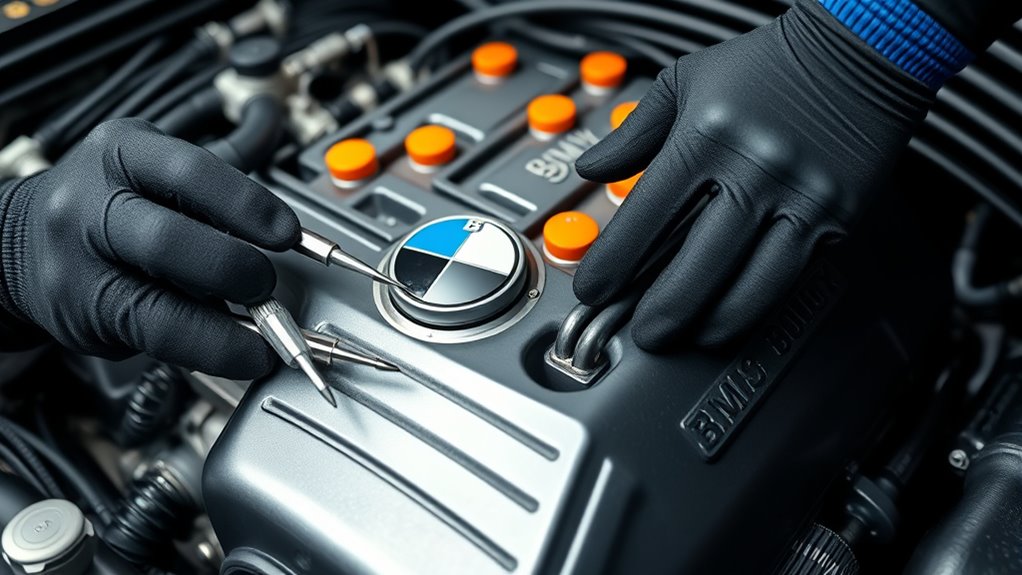
Troubleshooting BMW B38 Engine Issues: Prevention & Maintenance Guide
If you own a BMW B38 engine, you’re not alone in worrying about unexpected issues that can pop up. Many drivers struggle with pinpointing early signs of trouble before costly repairs happen. Staying ahead of these problems is key to keeping your engine running smoothly.
To troubleshoot your BMW B38 engine, start by noticing early warning signs like unusual noises, rough idling, or power loss. Check for warning lights and inspect for leaks or worn parts.
Regular maintenance such as oil and filter changes, coolant checks, and intake cleaning helps prevent major issues.
If problems persist, seeking professional help is essential. Keep these tips in mind, and you’ll be better equipped to maintain your engine’s health effectively.
Key Takeaways
- Regularly check and replace spark plugs, oil, and filters to prevent engine problems.
- Keep an eye on coolant levels and look for leaks to avoid overheating and radiator issues.
- Watch for early signs like unusual noises, rough idling, or warning lights on your dashboard.
- Do routine intake cleaning and use good quality fuel to keep your engine running smoothly.
- If you notice persistent symptoms like power loss or strange engine noises, see a professional for diagnostics.
What Are the Common BMW B38 Engine Problems?
What are the most common issues faced by BMW B38 engines? You’ll notice that problems like turbocharger failure, oil leaks, and carbon buildup show up often in B38 engine reviews. These issues can hurt performance and reduce efficiency.
When considering B38 upgrades, keep in mind that some modifications might put extra strain on the engine if you’re not careful. This could make existing problems worse. Turbo failure, for example, usually happens due to worn-out parts or not enough cooling, resulting in a loss of power.
Upgrading the B38 engine can worsen existing issues if not done carefully.
Oil leaks often come from faulty seals or gaskets, leading to excess oil consumption and possible engine damage. Carbon buildup on intake valves can also be a problem, impacting airflow and engine responsiveness.
Staying aware of these common problems helps you take better care of your engine. Regular inspections and proper maintenance can prevent many issues from becoming serious. Knowing what to expect from B38 engine reviews can help you make smarter decisions about upgrades or repairs, so your engine runs smoothly for longer.
How to Recognize Early Warning Signs of B38 Engine Issues
Are you aware of the early signs that might indicate your BMW B38 engine is developing problems? One of the first clues is unusual engine noise. You might hear knocking, ticking, or sputtering sounds that weren’t there before. These noises often point to internal issues or loose components.
Pay close attention to how your car feels when you drive. If it feels sluggish, accelerates less smoothly, or struggles under normal conditions, it could be a sign of engine trouble. Other warning signs include rough idling, increased fuel consumption, or the engine warning light coming on.
Ignoring these signs can lead to more serious damage and costly repairs. By staying alert to changes in noise and performance, you can catch problems early. Seek professional diagnosis before issues escalate.
Recognizing these early indicators is key to keeping your BMW B38 healthy and ensuring it lasts longer.
Troubleshooting B38 Engine Problems Step-by-Step
When your B38 engine starts acting up, the first thing you want to do is notice what symptoms are popping up. Is it a rough idle, strange noises, or maybe a decrease in power? Getting a clear idea of what’s going on can really help narrow down the cause.
Once you’ve got a sense of the symptoms, it’s time to follow some basic troubleshooting steps. Check for any warning lights on your dashboard, listen for unusual sounds, and see if there are any visible leaks or signs of wear. These clues will guide you toward what might be wrong.
If you try these steps and still can’t figure out the problem, or if things seem serious, it’s always a good idea to get professional help. A mechanic can diagnose the issue properly and prevent any further damage to your engine. Better safe than sorry!
Diagnosing Common Symptoms
Have you noticed your BMW B38 engine acting differently lately? If yes, start with engine noise diagnosis to identify unusual sounds like knocking, ticking, or rattling. These noises can indicate worn parts or misfires.
Pay attention to when the sounds happen—during startup, acceleration, or idling. This detail can help you pinpoint the exact issue. Next, check the fuel system if you’re experiencing rough idling, poor acceleration, or stalling.
Problems like clogged injectors, a failing fuel pump, or dirty filters could be to blame. Recognizing these common symptoms early helps narrow down the cause and prevents further damage.
Getting an accurate diagnosis saves you both time and money. It ensures your engine runs smoothly and stays efficient.
Essential Troubleshooting Steps
Troubleshooting your BMW B38 engine effectively involves following a clear, step-by-step process to identify and resolve issues promptly. Start by listening for unusual engine noise, which often signals underlying problems.
Check your fuel efficiency; a sudden drop can indicate issues with fuel delivery or sensor malfunctions. Next, perform basic inspections, such as examining fluid levels and inspecting for leaks.
Use diagnostic tools to scan for error codes, guiding you to specific components needing attention. Consider these key steps: verify engine noise patterns and their sources, assess fuel consumption rates for abnormalities, and conduct visual inspections for leaks or damaged parts.
When to Seek Professional Help
While basic checks can often fix minor engine issues, some problems need expert help. If you notice persistent misfires, a big loss of power, or strange noises, it’s time to call in a professional mechanic.
Engine diagnostics can find underlying problems that simple inspections might miss, like sensor failures or internal component damage. Don’t ignore warning signs like dashboard alerts or a burning smell, as these could mean serious trouble.
Trying to fix complex issues without the right tools and knowledge can make things worse. If your B38 engine shows symptoms beyond basic troubleshooting, see experienced mechanics who have the proper equipment to diagnose and repair it.
Getting professional help ensures your vehicle’s safety, reliability, and can save you money on future repairs.
Preventative Maintenance Tips for Your BMW B38
Keeping up with regular oil changes is really important to keep your BMW B38 running smoothly and to prevent any unnecessary engine wear. It’s one of those simple things that can make a big difference in the long run.
Also, don’t forget to check your coolant system regularly. That way, you can avoid overheating, which can be pretty stressful and costly. And while you’re at it, take a quick look at your spark plugs for any signs of wear or damage.
Staying on top of these maintenance tasks isn’t just about keeping your car happy—it also helps you avoid some pretty expensive repairs down the road.
Regular Oil Changes
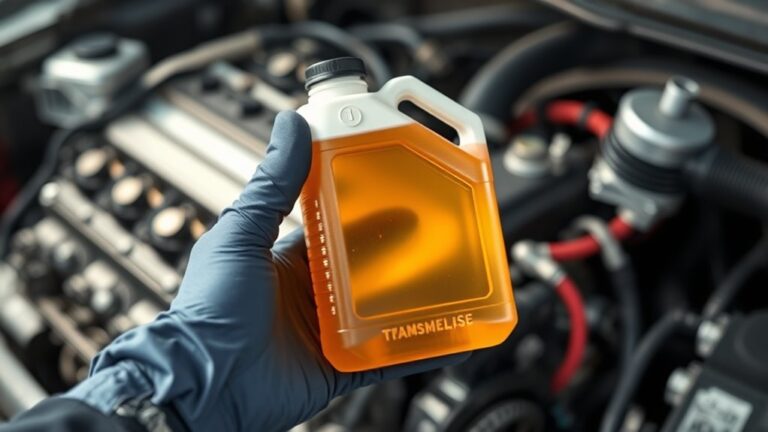
Keeping up with regular oil changes is essential to maintaining the health and performance of your BMW B38 engine. Fresh oil lubricates critical components, reduces wear, and guarantees peak operation.
When changing the oil, always select the correct oil viscosity recommended by BMW to maintain proper flow and engine efficiency. Remember to replace the oil filter to prevent debris buildup, which can impair engine performance.
Regular oil changes also help you catch early signs of trouble, such as leaks or unusual noises. Use high-quality, manufacturer-approved oil to guarantee longevity.
Follow the recommended service intervals for oil and filter replacement. Monitor oil levels regularly to avoid low oil pressure and engine damage.
Coolant System Checks
To keep your BMW B38 engine cool and running smoothly, it’s important to do regular coolant system checks. Make sure to look for coolant leaks around hoses, the radiator, and the reservoir.
Low coolant levels can lead to overheating and cause engine damage. Also, check the radiator for corrosion or debris, which can block airflow and reduce cooling efficiency.
| Inspection Point | What to Look For | Action Needed |
|---|---|---|
| Coolant Level | Low or empty tank | Top up with approved coolant |
| Coolant Leaks | Puddles or stains near hoses | Repair leaks immediately |
| Radiator Condition | Corrosion, debris | Clean or replace as necessary |
Staying on top of these checks helps prevent overheating and saves you from costly repairs.
Spark Plug Inspections
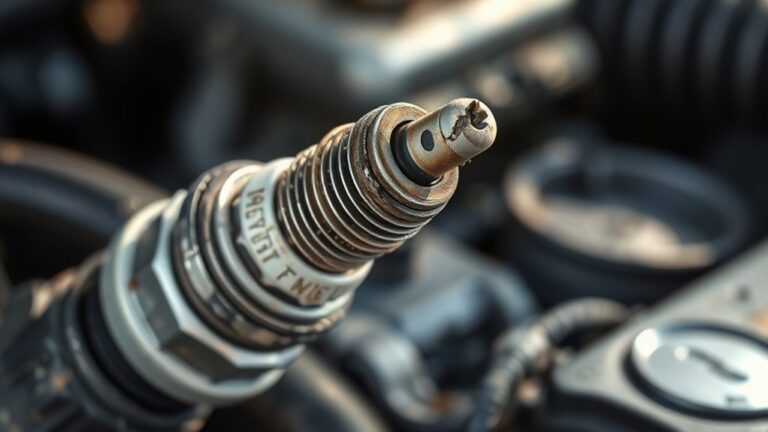
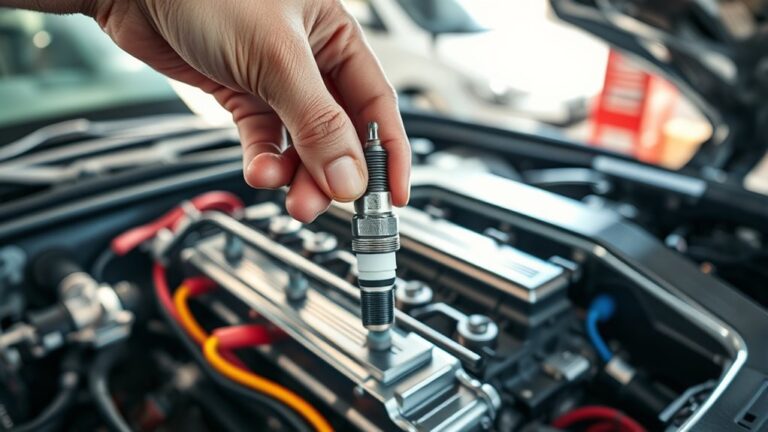
Since spark plugs play an essential role in igniting the fuel-air mixture in your BMW B38 engine, inspecting them regularly helps guarantee peak performance and fuel efficiency. Over time, the lifespan of spark plugs varies depending on the type used and driving conditions.
Regular inspections help you spot signs of wear, like corrosion or carbon buildup, which can cause misfires or reduce efficiency. Check for worn electrodes, damaged insulators, or deposits that could hinder spark quality.
Evaluate the condition of your spark plugs based on the manufacturer’s recommendations. Comparing different spark plug types suitable for your engine’s specifications can also be helpful.
Remember to replace your spark plugs at the intervals suggested by the manufacturer to prevent potential engine issues.
How to Change Oil and Filters on the B38 Engine
Changing the oil and filters on the BMW B38 engine is a simple maintenance task that helps keep your engine running smoothly and lasts longer.
Start by warming up the engine so the oil flows easily. Then, lift the vehicle securely and find the oil drain plug underneath.
Place a container under the drain plug, unscrew it, and let the old oil drain completely. Once drained, tighten the drain plug firmly.
Next, remove the old oil filter using an oil filter wrench. Install a new filter, making sure it’s seated correctly.
While you’re at it, fill the engine with the recommended type and amount of fresh oil through the oil fill cap.
Check the oil level with the dipstick and add more oil if needed. Start the engine and let it run for a few minutes.
Turn off the engine, recheck the oil level, and top up if necessary. Regular filter replacements and oil changes are key to keeping your B38 engine running smoothly and efficiently.
Why Is My B38 Engine Running Rough or Losing Power?
If your B38 engine is running rough or losing power, there could be a few causes. Faulty fuel injection systems often cause uneven fuel delivery, leading to misfires and rough idling.
Clogged fuel filters or injectors can also restrict fuel flow, which reduces engine performance. Sometimes, engine diagnostics might miss underlying issues, so thorough checks are essential to find the real problem.
Consider these common issues:
- Dirty or malfunctioning fuel injectors disrupting proper fuel spray
- Incorrect fuel pressure or a faulty fuel pump limiting fuel supply
- Sensor failures like MAF or lambda sensors affecting the air-fuel mixture
Addressing these problems quickly with proper diagnostics can restore smooth operation and prevent more damage. Regular maintenance and inspections help keep your B38 running efficiently, reducing the chances of power loss or rough running.
Cooling System Problems in the BMW B38: What to Check
When your B38 engine starts running hotter or shows signs of overheating, it’s usually due to cooling system issues that need checking. Common problems include coolant leaks, thermostat troubles, radiator failure, and a failing water pump.
To diagnose, look for visible coolant leaks around hoses, the radiator, and the water pump housing. A malfunctioning thermostat can cause the engine to overheat or run too cold, so consider testing or replacing it.
Radiator failure can block heat dissipation, leading to higher temperatures. The water pump circulates coolant, and if it’s failing, coolant flow drops, risking overheating.
Regular inspections can prevent serious damage. Use the table below to help identify potential issues:
| Symptom | Possible Cause |
|---|---|
| Overheating | Coolant leaks, radiator failure |
| Temperature fluctuations | Thermostat issues |
| Coolant loss | Water pump failure |
Addressing these checks promptly keeps your engine running smoothly.
Maintaining the Intake and Fuel Systems for Longevity
To keep your BMW B38 running smoothly, it’s a good idea to clean the intake regularly. That way, you can prevent any buildup that might mess with how the engine performs. Using high-quality fuel is also a smart move—it helps keep the fuel system clean and cuts down on the chances of deposits forming.
Staying on top of these little maintenance tasks can really make a difference. Not only does it help your engine last longer, but it can also boost your car’s efficiency. So, a bit of regular care goes a long way!
Keeping Intake Clean
Keeping the intake clean is key to ensuring your BMW B38 engine lasts a long time. Regular intake cleaning stops dirt and debris from clogging the air filter and getting into the combustion chamber, which can hurt performance and fuel economy.
Start by checking the air filter. If it’s dirty, it’s time to replace or clean it. Using high-quality filters made for BMW engines can also help improve filtration.
To keep the intake working at its best, make sure to inspect and replace the air filter regularly. Use specialized cleaning products for intake parts, and keep the intake manifold free of carbon buildup.
Taking care of these parts helps your engine run smoothly and avoids costly repairs later on.
Using Quality Fuel
Using high-quality fuel is essential for maintaining the longevity of your BMW B38 engine’s intake and fuel systems. Choose fuel with the right octane rating recommended by BMW to prevent knocking and get the best performance.
Higher octane fuels can help reduce engine knocking and improve efficiency, especially when under heavy loads. Consider using fuel additives designed to clean injectors and keep fuel quality stable.
These additives can prevent carbon buildup, ensure your fuel system runs smoothly, and improve throttle response. Avoid low-quality or substandard fuels, as they may contain impurities that cause deposits and corrosion.
Regularly refilling with quality fuel, along with fuel additives when needed, helps protect your engine’s intake components. This approach guarantees reliable, long-lasting performance.
When Should You Seek Professional Help for B38 Repairs?
Wondering when it’s time to call in a professional for your B38 engine repairs? If you notice persistent issues like rough idling, loss of power, or unusual noises, it’s a sign you need expert help. Trying DIY fixes can sometimes make things worse and lead to higher repair costs.
A trained mechanic can do thorough engine diagnostics to find the root cause quickly, saving you time and money. You should seek professional help if you experience recurring engine warning lights or error codes that don’t go away after basic checks.
If your engine stalls, misfires, or has trouble starting, these are signs of complex internal problems. Also, if unusual vibrations or noises stick around despite routine maintenance, it’s time to get a professional opinion.
Getting help early ensures accurate diagnosis and prevents costly damage. This way, you can keep your BMW running smoothly without unnecessary repairs.
Tips to Extend Your BMW B38 Engine’s Life Through Routine Care
Regular maintenance is key to getting the most out of your BMW B38 engine’s lifespan. Small, consistent efforts can really make a difference over time.
Sticking to a routine inspection schedule helps you catch problems early and avoid costly repairs. Regular oil changes keep the engine well-lubricated and reduce wear and tear.
Checking coolant and fluid levels is essential to prevent overheating and corrosion. Keeping an eye on filters and belts ensures everything runs smoothly and efficiently.
Pay attention to unusual noises or vibrations. Addressing these early can stop small issues from turning into big problems.
| Maintenance Tip | Routine Inspection Benefit |
|---|---|
| Change oil and filters regularly | Prevents engine sludge buildup |
| Check coolant levels | Avoids overheating |
| Inspect belts and hoses | Detects early wear or cracks |
| Monitor fluid levels | Ensures proper lubrication |
| Listen for unusual sounds | Detects problems early |
Following these simple tips consistently will help your BMW B38 run smoothly and last longer.
Frequently Asked Questions
How Often Should I Perform a Full B38 Engine Diagnostic?
You should perform a full B38 engine diagnostic every 10,000 to 15,000 miles or once a year, whichever comes first. Regular checks help you keep an eye on engine performance and catch issues early.
What Are the Best Aftermarket Parts to Improve B38 Engine Durability?
For better durability, you should consider performance upgrades like high-quality air filters and upgraded intercoolers, which improve airflow and engine cooling. Upgrading your cooling system with an aftermarket radiator can also prevent overheating and extend engine life.
Focus on parts that boost heat dissipation and reduce stress on components. Regularly maintaining these upgrades guarantees your B38 engine stays reliable, efficient, and ready for improved performance without compromising longevity.
Can B38 Engine Issues Be Covered Under Warranty?
Think of your engine as a trusted companion. If problems come up, warranty coverage can be your shield.
Yes, BMW often covers issues caused by manufacturer defects under warranty. This helps cut down repair costs and keeps your engine reliable.
But keep in mind, coverage usually excludes damage from neglect or aftermarket parts. To keep your engine protected, review your warranty terms carefully.
And don’t forget to stay on top of maintenance. That way, your engine stays in good shape and is less likely to face unexpected issues.
What Specific Tools Are Needed for B38 Engine Maintenance?
For B38 engine maintenance, you’ll need essential tools like a socket set, torque wrench, and screwdrivers.
To replace spark plugs, use a spark plug socket and extension. For an oil filter change, have an oil filter wrench and drain pan ready.
These tools help guarantee proper procedures and prevent issues down the line. Regularly using the right tools keeps your engine running smoothly and extends its lifespan.
How Does Driving Style Affect B38 Engine Longevity?
Your driving style directly impacts the B38 engine’s longevity. Aggressive driving increases engine wear, while smooth acceleration and deceleration reduce stress.
Good maintenance practices, like timely oil changes, also help extend engine life. Using high-quality fuel prevents deposits and keeps your engine running at its best.
Conclusion
Your BMW B38 engine is like a delicate dance. Catch early signs and perform routine maintenance to keep its rhythm smooth and steady.
Think of each check-up as tuning your instrument, ensuring harmony and longevity.
By staying attentive and proactive, you’re not just fixing problems. You’re nurturing a trusted partner on every journey.
Keep the music playing, and your engine will perform flawlessly for miles to come.
Remember, regular care is key to preventing issues with your BMW B38 engine and keeping it running at its best.