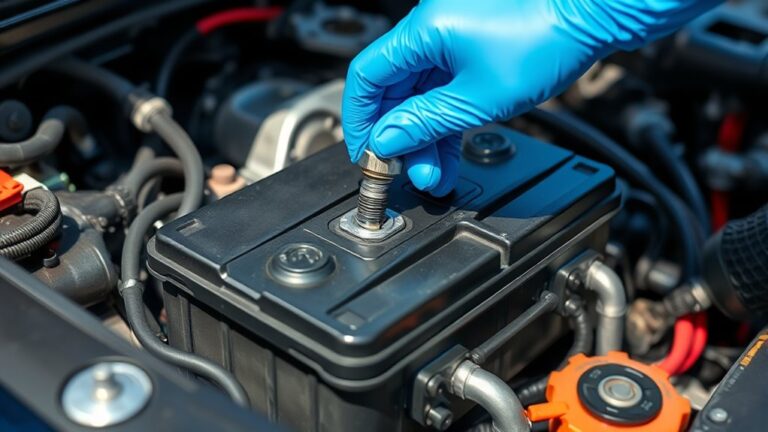
Do Spark Plugs Need to Be Torqued? Essential Guide Explained
Many car owners feel overwhelmed by the simple yet crucial task of maintaining their spark plugs. You’re not alone—getting them just right can be tricky and confusing. Properly torquing spark plugs is essential for a smooth, reliable engine.
Yes, spark plugs need to be properly torqued to guarantee they fit securely and function correctly. Over-tightening can damage threads or the spark plug itself, while under-tightening can cause misfires or poor performance.
Using the right torque specs and the proper tools helps prevent engine issues and extends spark plug life.
If you want to learn the exact steps, tools, and tips for safe installation, keep exploring this guide for essential details.
Key Takeaways
Yes, spark plugs need to be properly torqued to fit securely and help your engine run smoothly.
Getting the torque right is key to preventing damage and ensuring good performance.
If you don’t tighten them enough or tighten them too much, you might cause engine roughness or reduce efficiency.
That’s why it’s important to use a torque wrench and follow your vehicle’s manufacturer specs for the right tightness.
Proper torquing not only protects the threads but also helps the spark plugs last longer.
It keeps your ignition system reliable and your engine running at its best.
Why Proper Torque Is Essential for Spark Plug Performance
Proper torque guarantees that your spark plugs fit securely and function correctly. When installed properly, the spark plug’s heat range stays in check, preventing overheating or fouling.
Proper torque ensures maximum ignition efficiency, letting the spark ignite the fuel-air mixture effectively inside the combustion chamber. This helps your engine run smoother, use fuel better, and produce fewer emissions.
If the spark plug is too loose, it can cause irregular wear patterns and risk damaging the threads or even causing the spark plug to fail. On the other hand, over-tightening can deform the ceramic insulator or damage the cylinder head, leading to costly repairs.
Using the right torque helps keep maintenance intervals consistent by reducing abnormal wear and ensuring reliable operation. Overall, applying the correct torque is key to keeping your engine efficient, extending spark plug life, and maintaining your vehicle’s performance.
Properly torqued spark plugs may be a small detail, but they make a big difference in your engine’s health.
How to Find the Correct Spark Plug Torque Specification
Wondering how to find the right torque specification for your spark plugs? The first step is to identify your spark plug types, since different designs—like copper, platinum, or iridium—may have different torque needs.
Check your vehicle’s owner’s manual or repair guide, which will give you specific torque units such as foot-pounds, inch-pounds, or Newton-meters. Many manufacturers list these details clearly, often on a sticker inside the engine bay or in technical documents.
Check your owner’s manual or repair guide for specific torque units like foot-pounds, inch-pounds, or Newton-meters.
If you’re unsure, it’s a good idea to ask a trusted auto parts retailer or a professional mechanic to make sure you get accurate info. Using the correct torque units is crucial to avoid over-tightening or under-tightening, which can cause damage or poor engine performance.
Always double-check the recommended torque for your specific spark plugs because incorrect torque can affect engine efficiency and lifespan. Following these specs properly will ensure a secure fit and optimal spark plug performance.
Essential Tools for Proper Spark Plug Torquing
To guarantee your spark plugs are torqued correctly, you’ll need a few essential tools designed for precision and safety. The most important is a quality torque wrench, which ensures you apply the exact torque specified in your installation guides.
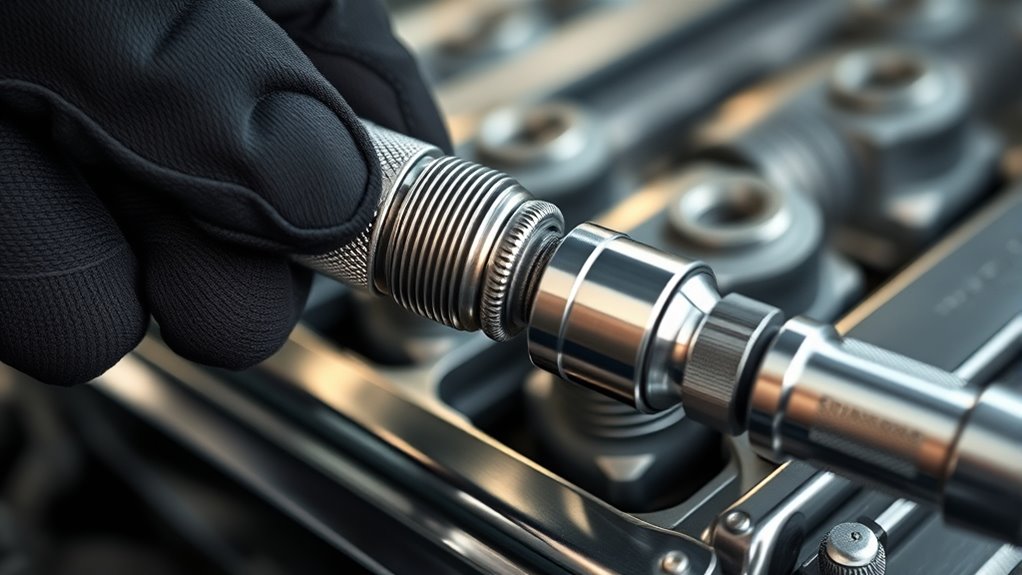
You’ll also need spark plug sockets—specialized sockets that fit securely around the plugs without damaging them. Extension bars can help reach deep or awkward engine locations where space is limited.
Regular calibration checks on your torque wrench are crucial to keep it accurate over time. Using the correct torque specs prevents under- or over-tightening, protecting your engine’s performance and longevity.
These tools work together to support your maintenance routines and guarantee peak engine performance. Properly torqued spark plugs not only improve efficiency but also reduce the risk of damage, making these tools indispensable for any DIY or professional mechanic.
Step-by-Step Guide to Torquing Spark Plugs Correctly
Before you start torquing your spark plugs, gather all the necessary tools and review the specific torque specs for your vehicle. Different spark plug types like copper, platinum, or iridium might need slight adjustments in how you install them. Always follow the manufacturer’s guidelines.
Begin by hand-threading the spark plug into the cylinder head to avoid cross-threading. Once it’s snug, use a torque wrench set to the recommended torque value. Turn slowly and steadily to apply even pressure.
If you’re working with a spark plug socket, make sure it fits securely to prevent slipping. For tight spots, use a swivel extension, but be careful not to overtighten, as that can damage the threads.
Always double-check your torque setting before doing the final tighten. Properly torquing your spark plugs ensures a secure fit, peak performance, and avoids damage. This step is essential for a successful installation.
Common Mistakes When Torquing Spark Plugs and How to Avoid Them
One mistake people often make is over-tightening the spark plugs. This can actually damage the threads or even cause cracks in the plugs. It’s easy to get carried away, but it’s important to be gentle and precise. Ignoring the manufacturer’s torque specifications is another common error, which can lead to improper seating and bigger problems down the road. To avoid all this, just make sure to follow the recommended torque settings and use the right tools—it’s worth the effort to get it just right!
Over-Tightening Risks
Over-tightening spark plugs can cause serious engine problems, so it’s important to get the torque just right. Applying too much force can lead to over-tightening issues like cracked or stripped threads, which make removal tricky and might mean costly repairs.
It can also damage the spark plug itself, such as breaking the porcelain insulator or harming the electrodes. To avoid these problems, be careful of common mistakes like using too much force when tightening and relying only on a wrench without knowing the proper torque specs.
Don’t ignore the manufacturer’s torque recommendations or skip checking the torque settings before installation. Also, reusing old or worn spark plugs without proper care can increase the risk of damage and problems down the line.
Ignoring Manufacturer Specs
Ignoring the manufacturer’s torque specifications is a common mistake that can lead to serious engine issues. When you don’t follow the recommended torque, you risk damaging the spark plug or the cylinder head, which can shorten the spark plug’s lifespan.
Using improper installation techniques, like overtightening or under-tightening, affects how well the spark plug performs and its durability. Always check the vehicle’s manual for the correct specs, rather than guessing or relying on old habits.
Proper torque guarantees a secure seal and maximum engine performance. Neglecting these guidelines can cause misfires, poor fuel economy, and costly repairs. To avoid these problems, use a torque wrench and adhere strictly to the manufacturer’s specifications during installation.
This simple step helps preserve your spark plugs and keeps your engine healthy.
What Happens When Spark Plugs Aren’t Torqued Properly?
When spark plugs aren’t torqued properly, it can cause a bunch of engine issues. You might notice rough idling, trouble starting, or lower fuel efficiency.
Incorrectly torqued spark plugs can lead to misfires, which make the engine run unevenly. They can also damage the spark plug threads or the cylinder head.
Incorrect torque can cause engine misfires and damage spark plug threads or the cylinder head.
This can cause a loss of compression, which reduces engine power. You might also feel more vibrations and hear extra noise from the engine.
Over time, the spark plugs and ignition parts wear out faster. If they’re not tightened correctly, they might loosen, causing inconsistent sparks.
This inconsistency hurts combustion and can lead to misfires or even engine damage. Using the right torque helps keep your engine running smoothly and avoids costly repairs.
Should You Use Anti-Seize or Lubricant When Installing Spark Plugs?
Should you use anti-seize or lubricant when installing spark plugs? Many mechanics recommend applying anti-seize because it helps prevent the plugs from seizing in the cylinder head and makes future removal easier.
Anti-seize can also reduce the risk of cross-threading and corrosion, especially in environments with moisture or extreme temperatures. But some manufacturers advise against using it on certain spark plugs, as too much can affect the torque accuracy.
If you prefer using lubricants, light engine oil or dielectric grease can help ensure smooth installation and prevent sticking. These options can also help you achieve the correct torque without over-tightening.
Ultimately, your choice depends on your vehicle’s specs and the type of spark plug you’re installing. Using the right lubricant or anti-seize can make installation easier, protect your spark plugs, and keep your engine running at peak performance.
Always follow your vehicle manufacturer’s recommendations for the best results.
How to Check if Your Spark Plugs Are Installed Correctly
After installing your spark plugs, it’s important to check they’re properly seated and torqued to avoid issues like misfires or engine damage. First, look at the spark plug alignment—make sure each one sits straight and evenly in its socket.
Next, check the spark plug gap to ensure it matches your vehicle’s specs. A misgapped plug can lead to poor performance. You can use a feeler gauge to measure and adjust the gap if needed.
Gently run your fingers around the threads to make sure they’re snug but not overtightened. Keep an eye out for any signs of cross-threading or damage.
Finally, double-check that the ignition wires or coils are securely attached to the spark plugs. Proper installation is key for peak performance and engine health.
Keeping these checks in mind can save you time and help prevent future engine issues.
When to Re-Torque or Replace Spark Plugs for Safety and Performance
Knowing the signs that your spark plugs need re-torquing or replacing can prevent engine problems and keep your vehicle running smoothly. Generally, spark plug lifespan varies between 30,000 to 100,000 miles, depending on your vehicle and plug type.
Regularly check and maintain spark plugs to ensure optimal engine performance and prevent costly repairs.
When your spark plugs are nearing the end of their lifespan or show signs of wear, you’ll notice reduced performance such as misfires, rough idling, or decreased fuel economy. If you experience these issues, it’s time to re-torque or replace your spark plugs.
Additionally, if your engine feels sluggish or your vehicle struggles to accelerate, ignoring these signs can be unsafe. Regular inspections and maintenance help ensure peak performance.
Re-torquing spark plugs as recommended by your vehicle manufacturer keeps a proper seal and prevents damage. Replacing worn or damaged spark plugs restores engine efficiency and prevents potential misfires or engine damage.
Expert Tips for Ensuring Long-Term Spark Plug Reliability
Maintaining the longevity of your spark plugs isn’t just about replacing them when they wear out; it also involves proper installation and regular checks.
To get the most life out of your spark plugs and ensure proper torque, follow these expert tips:
Always use a torque wrench for precise installation, making sure it matches your vehicle’s specifications.
Check and clean your spark plugs regularly to prevent buildup and corrosion.
Use the correct spark plug type and gap size recommended by your vehicle’s manufacturer.
Avoid over-tightening, which can damage the threads or insulator and shorten the lifespan.
Perform periodic inspections to catch early signs of wear or misfire and keep your engine running smoothly.
Frequently Asked Questions
Can Over-Tightening Damage My Engine’s Cylinder Head?
Over-tightening your spark plugs can definitely damage your engine’s cylinder head, leading to cracked or warped components. It also stresses the ceramic insulator, which can reduce spark plug lifespan.
Always follow the recommended torque specifications. Applying too much torque risks damage, while too little can cause poor sealing and misfires.
Proper torque is key to ensuring peak performance. It helps prevent costly repairs and keeps your engine running smoothly.
How Often Should I Re-Torque My Spark Plugs?
You should re-torque your spark plugs during routine maintenance, usually every 30,000 to 50,000 miles. It’s also a good idea to check if you notice signs of loosening.
Always follow your vehicle’s specific torque specs to avoid damage or misfires. Regularly checking and re-torquing helps ensure a proper seal and peak performance.
It also helps prevent potential engine problems down the line. Keep an eye on your vehicle’s maintenance schedule for the best results.
Do Different Engine Types Require Different Torque Settings?
Yes, different engine types often require specific engine torque settings for spark plugs. You need to check the manufacturer’s recommended torque for your specific spark plug types, as this guarantees proper seating and prevents damage.
Whether you have a high-performance engine or a basic model, following the correct torque values helps maintain peak performance and longevity. Always consult your vehicle’s manual for precise torque specifications tailored to your engine type.
Is It Necessary to Replace Spark Plugs After Re-Torquing?
No, you don’t need to replace spark plugs after re-torquing. Think of re-torquing as tightening a loose handshake—it’s about restoring the connection, not replacing the relationship.
Re-torquing helps ensure proper contact and can extend the lifespan of your spark plugs. If they show signs of wear or damage, then it’s time to replace them. Otherwise, re-torquing keeps them performing well without needing new parts.
It’s like renewing an old bond rather than starting fresh with a new one.
What Are Signs of Improperly Torqued Spark Plugs?
If your spark plugs are improperly torqued, you’ll notice issues like rough idling, misfires, or trouble starting your engine. These signs can be hints that something’s off with your spark plug installation.
You might also see decreased spark plug performance, which leads to lower fuel efficiency. It’s important to follow your vehicle’s manufacturer’s torque specs to make sure everything’s installed correctly.
Ignoring proper torque can cause damage or malfunctions down the line. Keep an eye out for these signs and double-check your torque settings when you’re putting in new spark plugs.
Conclusion
When your spark plugs are properly torqued, it’s like tuning a finely crafted instrument—each component in harmony, ready to ignite with precision. Ensuring the right tension not only keeps your engine running smoothly but also protects your safety and reliability on the road.
Think of it as giving your vehicle a gentle, confident handshake—trustworthy, secure, and prepared for whatever adventure comes your way. Proper torque is essential to keep your engine’s heartbeat strong and steady.
In short, yes, spark plugs need to be torqued correctly. It’s a simple step that makes a big difference in performance and longevity. Proper spark plug torque is key to keeping your engine firing perfectly.