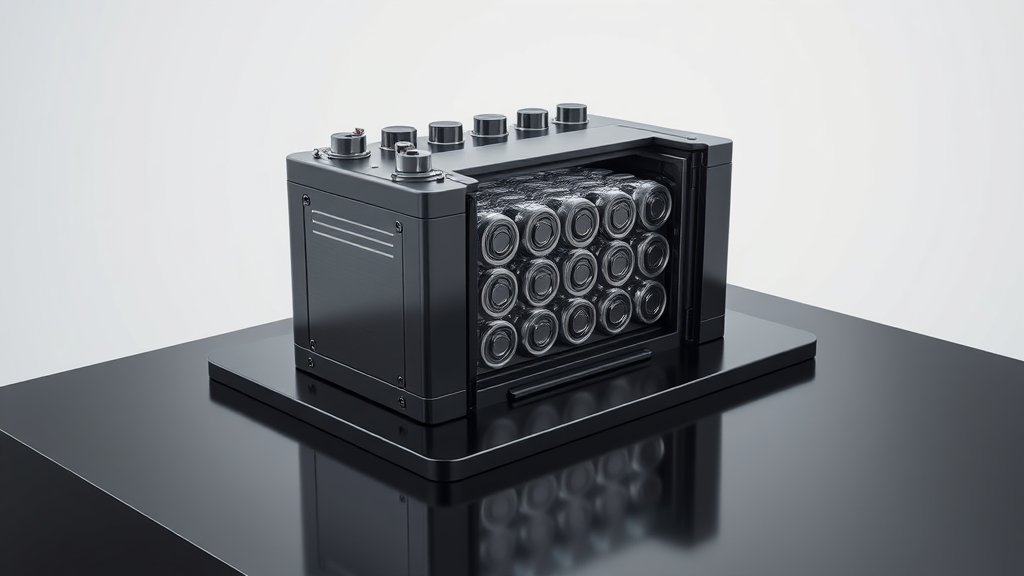
Best Electric Car Battery Options Transforming Driving Experience
Electric car owners often face uncertainty when selecting a battery that meets everyday demands without frequent replacements. Many options claim strong performance but vary widely in how they hold up through regular use and changing climates.
The best electric car battery blends consistent power output with durability and ease of maintenance. Batteries range from conventional lead-acid types to newer lithium-ion technologies, each offering distinct advantages depending on driving habits and vehicle requirements.
Some batteries provide advantages such as better cold-weather starts or longer lifespan, while others focus on space efficiency or built-in safeguards to protect against overheating. Recognizing these factors helps pinpoint which battery suits specific vehicle needs and daily routines.
Examining battery specifications like voltage, capacity, and chemistry reveals how well they perform under strain and their compatibility with various electric car models. These elements directly influence driving range and reliability over time.
This review evaluates performance metrics, design features, user comfort, and durability to provide a grounded perspective. It aims to assist readers in making a well-informed decision about the electric car battery that aligns with their expectations and driving style.
Discovering the Best Electric Car Battery Options for Reliability and Power
Power consistency and durability play a pivotal role in electric car battery performance. These options showcase diverse capacities and technologies tailored to meet varying automotive power demands.
1. ExpertPower 12V 7Ah SLA Rechargeable Battery Review: Reliable Power for Various Applications
No products found.
The ExpertPower 12V 7Ah SLA rechargeable battery presents a versatile and reliable power source well-suited for a range of devices including ride-on toys, alarm systems, UPS units, and emergency lighting. Engineered with a sealed lead acid design, it offers maintenance-free and spill-proof functionality that combines ease of use with durability. The battery’s rugged ABS casing provides protection against physical impact and environmental vibrations, enhancing its lifespan.
With a universal compatibility feature, this battery replaces multiple models such as 1270, UB1270, and RT1270, among others. Its steady 12-volt output ensures consistent performance whether powering a deer feeder, security system, or a child’s ride-on car. Installation is straightforward thanks to standard F1 terminals, removing any need for special tools. Compact yet sturdy, the dimensions of 5.94″ x 2.56″ x 3.70″ make it a practical fit for many devices.
Performance-wise, the ExpertPower battery delivers dependable energy over long durations, ideal for systems that demand uninterrupted power. It includes high-density plates designed to resist corrosion and extend operating life, a benefit for users seeking durability and reduced maintenance. However, as a sealed lead acid type, it carries the weight typical of this chemistry and requires proper handling to avoid damage.
Overall, this battery serves as a reliable power backup for various small to midsize 12V devices, combining solid construction with user-friendly installation. It strikes a balance of value for money, especially for those needing a durable, spill-proof rechargeable battery across different applications.
Best for: The ExpertPower 12V 7Ah SLA battery is best suited for consumers looking for a versatile, maintenance-free power source for alarm systems, ride-on toys, and emergency lighting. Its compatibility with numerous devices and reliable performance makes it ideal for homeowners, hobbyists, and security professionals needing consistent battery backup without frequent replacements.
What We Like:
- Broad device compatibility including alarms, UPS, and ride-on toys
- Maintenance-free sealed lead acid construction with spill-proof design
- Durable ABS casing enhances protection and longevity
- Simple installation with standard terminals and no special tools needed
- Stable 12V output with reliable long-lasting performance
Cons:
- Heavier compared to lithium-ion alternatives, limiting portability in some cases
- Lower energy density means larger size for given capacity relative to newer battery types
- Lead acid chemistry requires careful disposal and environmental considerations
- Not suitable for high-drain applications demanding rapid power bursts
- Limited cycle life compared to advanced lithium batteries
Specification:
| Feature | Details |
|---|---|
| Voltage | 12 Volts |
| Capacity | 7 Amp Hours |
| Battery Type | Sealed Lead Acid (SLA) |
| Dimensions | 5.94 x 2.56 x 3.70 inches |
| Weight | 4.3 Pounds |
| Terminal Type | Standard F1 |
| Applications | Ride-On Toys, Alarm Systems, UPS, Emergency Lighting, Exit Signs |
| Case Material | High-Density ABS |
This ExpertPower 12V 7Ah battery offers a solid balance between functionality and cost-effectiveness for those needing a trustworthy power source. Its compatibility with many devices and ease of installation lend convenience, while its robust construction ensures it stands up well to everyday demands. While not the lightest or most compact option, it remains a dependable choice for backup power solutions focused on reliability.
2. Weize Platinum AGM Battery BCI Group 47 – Reliable Power for Your Vehicle
No products found.
The Weize Platinum AGM Battery BCI Group 47 is engineered to provide steady and dependable power for cars, trucks, and SUVs, boasting a 12V 60Ah capacity paired with an impressive 680 Cold Cranking Amps (CCA). Designed for vehicles equipped with start-stop technology, this battery ensures quick and reliable starts even in colder climates, thanks to its high CCA and low internal resistance. Its Absorbent Glass Mat (AGM) technology delivers up to twice the cycle life of conventional batteries, making it a practical choice for drivers seeking durability and consistent performance.
Measuring 9.52 inches long, 6.89 inches wide, and 7.48 inches high, the battery features tapered terminals with the negative on the left and the positive on the right, which suits a wide range of passenger cars. The sealed, leak-proof construction enhances safety and minimizes maintenance needs, while the battery’s resistance to vibration contributes to its long life span. It operates efficiently across a wide temperature range from -22°F to 158°F, making it well adapted for varying climates.
Installation is straightforward due to its maintenance-free design, and the battery’s self-discharge rate remains below 8% even after 90 days of storage, which benefits users who might use their vehicle intermittently. Although best suited for automotive applications with higher electrical demands, it is not intended for deep-cycle uses like marine or solar setups. The battery comes with a 36-month warranty, reflecting confidence in its robustness and reliability.
Best for: Drivers looking for a dependable, maintenance-free automotive battery that supports start-stop systems and higher accessory loads will find the Weize Platinum AGM Battery an excellent fit. Its robust cold-start capability and extended cycle life make it suitable for those who require reliable daily performance and enhanced durability under varied driving conditions.
What We Like:
- High 680 CCA rating for reliable cold weather starts
- AGM technology offers longer life and low maintenance
- Leak-proof and vibration-resistant design enhances durability
- Wide operating temperature range for versatile climate tolerance
- Low self-discharge supports intermittent vehicle use
Cons:
- Heavier than standard lead-acid batteries at 41.6 pounds
- Not suitable for deep-cycle applications like solar or marine use
- Requires correct terminal orientation and size matching for installation
- May be pricier than basic conventional batteries
- Limited to passenger car compatibility
Specification:
| Feature | Details |
|---|---|
| Voltage | 12 Volts (DC) |
| Capacity | 60 Ah |
| Cold Cranking Amps (CCA) | 680A |
| Reserve Capacity (RC) | 100 minutes |
| Battery Type | Lead-Acid, AGM |
| Group Size | 47 |
| Dimensions (L x W x H) | 9.52″ x 6.89″ x 7.48″ |
| Weight | 41.6 Pounds |
| Terminal Type | Tapered (Left negative, Right positive) |
| Operating Temperature Range | -22°F to 158°F |
| Self-discharge Rate | <8% after 90 days |
The Weize Platinum AGM Battery stands out as a reliable companion for drivers prioritizing longevity and consistent power delivery. Its solid construction and AGM technology align well with modern vehicles demanding steady energy for start-stop functions and additional electronics. While slightly heavier and requiring attention to fitment specifics, its maintenance-free operation and strong cold-start capability make it a trustworthy choice for everyday automotive use.
3. Mighty Max Battery ML7-6 Review – Reliable 6V 7AH Rechargeable SLA AGM Battery
No products found.
The Mighty Max Battery ML7-6 is a compact, 6-volt, 7 AH rechargeable sealed lead acid battery designed with a focus on durability and versatility. Its AGM (Absorbent Glass Mat) technology offers spill-proof performance and maintenance-free operation, making it practical for applications requiring reliable power in various conditions. With dimensions measuring 5.94 x 1.42 x 3.94 inches and an F1 terminal, this battery suits numerous small electric devices and ride-on toys.
One of this battery’s key features is its resistance to shock, vibration, and the ability to function across a broad temperature range, delivering long-lasting power effectively. The ML7-6 supports deep discharge recovery which enhances its service life and usability in scenarios where steady energy output is necessary. Though compact, it maintains a high discharge rate, enabling strong, consistent performance.
Its compatibility extends across multiple models, including kids’ ride-on cars such as Kid Trax Avigo Quad and Huffy X6 Ride On Toy Car, as well as solar fence chargers like the Gallagher S17. Users will appreciate its rechargeable nature that allows the unit to be mounted in any position, which is ideal for diverse setups without compromising space or installation flexibility.
This model does not include wire harnesses or mounting accessories, which may require separate purchasing. Weighing approximately 2.4 pounds, it offers portability combined with rugged design quality suited for repeated use. While being a sealed lead acid battery, it demands minimal maintenance but should be recharged properly to maximize longevity.
What We Like:
- Maintenance-free with spill-proof AGM design
- Capable of operating in wide temperature ranges
- Compatible with numerous ride-on toys and power applications
- Rechargeable with deep discharge recovery
- Compact and lightweight for easy installation in tight spaces
What Could Be Better:
- No included mounting hardware or wiring kit
- Sealed lead acid technology is heavier compared to lithium alternatives
- Limited to lower voltage and capacity compared to larger batteries
- Recharge cycles may be fewer than newer battery chemistries
Best for: This Mighty Max ML7-6 battery is best suited for users needing a dependable, smaller capacity power source for children’s electric ride-on toys, small solar chargers, or similar low-voltage devices. Its compact and rugged design makes it a practical choice for those who prefer a rechargeable battery that requires minimal maintenance and is capable of delivering consistent power in varying conditions. Families or hobbyists replacing or upgrading existing 6V SLA batteries for toys and custom electronics will find this model fitting well for everyday use.
Specification:
| Specification | Details |
|---|---|
| Voltage | 6 Volts |
| Capacity | 7 AH |
| Battery Type | Sealed Lead Acid (SLA) AGM |
| Dimensions | 5.94 x 1.42 x 3.94 inches |
| Weight | 2.4 Pounds |
| Terminal Type | F1 Terminal |
| Rechargeable | Yes |
| Maintenance | Maintenance Free |
| Operating Temperature Range | Wide range (specifics vary) |
The Mighty Max Battery ML7-6 stands out as a trustworthy SLA battery offering solid performance for its size and category. While it may not match the energy density and weight benefits provided by newer lithium-based batteries, this model brings robustness and reliability for its intended applications. Its compatibility with numerous devices and spill-proof construction make it an attractive option for those prioritizing straightforward, dependable power solutions without added complexity.
4. LOSSIGY 48V Lithium Golf Cart Battery Conversion Kit – Reliable Power for Electric Vehicles
No products found.
The LOSSIGY 48V Lithium Golf Cart Battery Conversion Kit offers a robust and versatile energy solution for golf carts, solar systems, RVs, and light electric vehicles. Featuring Grade A auto cells, this conversion kit delivers a 48-volt output with high energy density and stable performance. Thanks to its built-in 200A Bluetooth Battery Management System (BMS), it provides protection against common risks like short circuits, over-current, and temperature extremes, extending the battery’s lifespan to over 4000 cycles or around 10 years of typical use.
What sets this battery apart is its impressive peak current capability of 1000 amps for short bursts (3-5 seconds), which satisfies the power needs of most golf cart controllers. The design focuses on ease of installation and portability, being self-contained and lighter than traditional lead-acid batteries. Its screw terminal and universal automotive fit type simplify replacement and upgrades without the hassle of rewiring.
From a practical standpoint, the 105 Amp-hour capacity ensures sufficient run-time for extended trips or heavy usage scenarios. Included with the battery are a charger and monitor, enhancing usability and maintenance by allowing users to keep the system in check with minimal effort. Durability is a strong feature here, with LOSSIGY backing the product with a six-year warranty and 24/7 technical support, which adds confidence for owners investing in electric power solutions.
Best for: This battery is ideal for those converting traditional golf carts to LiFePO4 systems or anyone needing a reliable electric power source for RVs or light electric vehicles requiring 48V power. Its high cycle life, strong peak current, and user-friendly design make it well-suited for users who demand stable performance and longevity in outdoor or mobile applications. Maintenance is minimal compared to lead-acid alternatives, making it favorable for both seasoned electric vehicle enthusiasts and first-time battery upgraders.
What We Like:
- Long lifespan of over 4000 charge cycles.
- High peak current up to 1000A to meet demanding loads.
- Built-in Bluetooth BMS for real-time monitoring and protection.
- Lightweight and easier to install than lead-acid batteries.
- Includes charger and monitor for complete system management.
Pros:
- Excellent cycle life extending battery replacement intervals.
- Strong peak current supports a wide range of electric vehicle controllers.
- Smart BMS enhances safety and battery health.
- Compact and lightweight design improves portability.
- Comes with comprehensive customer support and warranty.
Cons:
- At nearly 100 pounds, handling may still require assistance or equipment.
- Higher upfront cost than traditional lead-acid batteries.
- Designed primarily for 48V systems, limiting compatibility.
- Screw terminals may require specific tools during installation.
- Bluetooth monitoring may need familiarization for beginners.
Specification:
| Feature | Details |
|---|---|
| Voltage | 48 Volts (DC) |
| Capacity | 105 Amp Hours |
| Peak Current | 1000 Amps (3-5 seconds) |
| Battery Type | LiFePO4 |
| Battery Management System | Built-in 200A Bluetooth BMS |
| Weight | 99.2 Pounds |
| Dimensions | 10.4″D x 18.5″W x 8.7″H |
| Terminals | Screw Terminal |
| Included Components | Charger, Monitor |
| Compatible Vehicles | Golf Cart, Passenger Car, RV, Truck |
My view on the LOSSIGY 48V Lithium Golf Cart Battery Conversion Kit is that it stands as a reliable and thoughtfully designed unit for those upgrading from traditional batteries or building electric setups. Its long cycle life paired with a strong peak current capacity makes it highly functional for various electric vehicle demands. The added features like Bluetooth monitoring and included accessories enhance operational ease, though some buyers may need initial guidance to fully utilize these perks. Overall, it offers a dependable balance between performance and longevity in the electric car battery segment.
5. GOLDENMATE 12V 10Ah LiFePO4 Lithium Battery Review and Features
No products found.
The GOLDENMATE 12V 10Ah LiFePO4 Lithium Battery (2 Packs) offers a blend of robust performance and impressive durability, designed for applications such as power wheels, ride-on toys, marine devices, and solar energy systems. This battery boasts a high energy density and integrates a built-in Battery Management System (BMS) that actively protects against overcharging, over-discharging, over-current, and short circuits, elevating its safety profile. Weighing only 3.3 pounds, it provides excellent portability while maintaining IP67 waterproof certification, enhancing its suitability for outdoor and wet environments.
One of the major strengths of this battery lies in its remarkably long lifespan, with the capacity to deliver over 5000 deep cycles and a service life extending up to 10 years. This is a significant improvement compared to traditional lead-acid batteries, which generally manage 300-500 cycles with around a three-year lifespan. Its low self-discharge rate facilitates storage for up to a year without the need for frequent charging, adding to user convenience.
Flexibility is a standout feature, as multiple batteries can be connected in series or parallel to increase voltage and capacity, hence adapting to more demanding off-grid or portable power setups. The battery supports a maximum continuous discharge of 10A and recharges efficiently through compatible LiFePO4 chargers or solar panels fitted with MPPT controllers, without requiring routine maintenance such as water top-ups. The compact design measures 2.56″ x 5.94″ x 3.66″, and it uses T2 terminals for straightforward connectivity.
Best for: Those seeking a reliable, long-lasting power source for medium to light-duty electric vehicles, outdoor recreational gear, and backup power systems will find this battery highly suited to their needs. Its waterproof casing and safety features make it ideal for users who require durability and flexibility in various environmental conditions, especially outdoor enthusiasts and hobbyists operating ride-on toys, camping equipment, or marine electronics.
What We Like:
- Highly durable with over 5000 deep charge cycles.
- IP67 waterproof and dustproof for outdoor use.
- Integrated BMS ensures safety and battery health.
- Flexible expansion capability via series or parallel connections.
- Maintenance-free with low self-discharge.
Pros and Cons
Pros:
- Exceptional cycle life exceeding 10 years of service.
- Lightweight design enhances ease of handling and installation.
- Robust safety features reduce risk of electrical faults.
- Compatibility with multiple devices including solar setups.
- Waterproof casing enables usage in diverse environments.
Cons:
- Not intended for automotive engine starting applications.
- Initial cost higher than lead-acid batteries, affecting upfront budget.
- Requires compatible LiFePO4 charger for best charging performance.
- Limited to 10A maximum continuous discharge for high-drain devices.
- Two-pack size may be excessive for very low energy requirements.
Specification:
| Specification | Details |
|---|---|
| Voltage | 12.8 Volts |
| Capacity | 10Ah per battery (2 pack included) |
| Battery Chemistry | Lithium Iron Phosphate (LiFePO4) |
| Cycle Life | 5000+ deep cycles |
| Dimensions (D x W x H) | 2.56″ x 5.94″ x 3.66″ |
| Weight | 3.3 lbs per battery |
| Protection Rating | IP67 waterproof and dust tight |
| Terminal Type | T2 |
| Built-in Features | Battery Management System (BMS) |
| Manufacturer | GOLDENMATE |
From a practical standpoint, the GOLDENMATE 12V 10Ah LiFePO4 battery delivers a solid balance of long life and rugged reliability, catering well to applications demanding consistent power delivery and durability. While it may not serve for vehicle starting, its enhanced safety and waterproof design extend its utility beyond typical battery options. This product provides real value for consumers focused on renewable energy solutions, outdoor power tools, or battery-powered toys needing dependable energy storage over years of use.
Technical Breakdown: Best Electric Car Batteries Specs Compared
| Product Name | Voltage | Capacity | Battery Type | Dimensions (L x W x H) |
|---|---|---|---|---|
| ExpertPower 12V 7Ah SLA | 12V | 7 Ah | Lead Acid | 5.94″ x 2.56″ x 3.70″ |
| Weize Platinum AGM 47-12V | 12V | 60 Ah | Lead-Acid, AGM | 9.52″ x 6.89″ x 7.48″ |
| Mighty Max Battery 6V 7Ah | 6V | 7 Ah | Sealed Lead Acid | 5.94″ x 1.42″ x 3.94″ |
| LOSSIGY 48V LiFePO4 105Ah | 48V | 105 Ah | Lithium Iron Phosphate (LiFePO4) | 10.4″ x 18.5″ x 8.7″ |
| GOLDENMATE 12V 10Ah LiFePO4 | 12.8V | 10 Ah | Lithium-Phosphate | 5.94″ x 2.56″ x 3.66″ |
What Makes an Electric Car Battery the Right Choice?
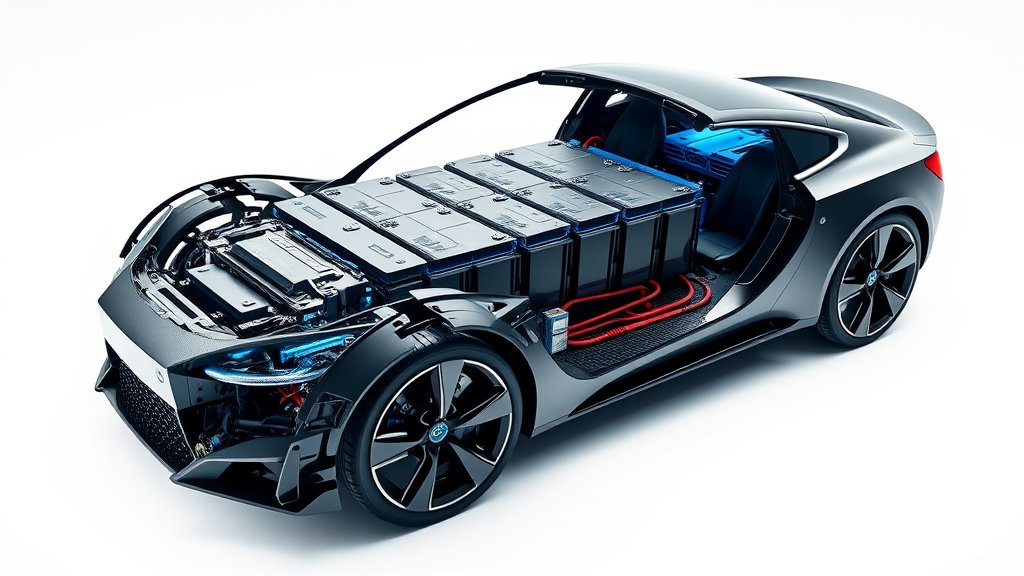
Selecting the right battery for an electric vehicle demands close attention to several technical and practical elements. A battery’s chemistry, capacity, durability, and safety features collectively influence performance and driving experience.
Understanding these factors guides buyers toward batteries that offer the right balance of power, longevity, and environmental compatibility suited to their specific vehicle needs.
Battery Chemistry and Its Impact on Performance
Battery chemistry refers to the materials and electrochemical processes that generate and store electrical energy. This factor defines how much energy a battery can hold, its charge speed, and its safety profile, making it a decisive feature in battery quality.
Common chemistries include Lithium Iron Phosphate (LiFePO4) and lead acid variants. LiFePO4 uses lithium ions moving between iron phosphate and graphite electrodes, delivering a high energy density and thermal stability. Lead acid batteries rely on lead plates and sulfuric acid, which are heavier and less efficient but cost-effective.
Forgetting to consider chemistry leads to mismatched expectations: lead acid batteries may offer lower range and heavier weight, while lithium-based batteries excel in both efficiency and lifespan, affecting overall vehicle dynamics and maintenance.
Capacity: Measuring Energy Storage for Range
Battery capacity quantifies the total energy stored, typically expressed in ampere-hours (Ah), which directly affects how far an electric car can travel between charges. This factor is a major determinant of convenience and usability.
For example, the LOSSIGY 48V lithium kit offers a substantial 105Ah capacity, providing extended driving distances. In contrast, smaller batteries with less capacity limit travel range and require more frequent charging cycles. Capacity depends on the number and size of cells within the pack and materials’ energy density.
Ignoring capacity requirements results in unexpectedly short trips and frequent stops for recharging. This can disrupt driving plans and reduce the appeal of electric vehicles, highlighting the importance of matching capacity to driving habits and needs.
Durability and Battery Lifespan
Durability entails a battery’s ability to maintain performance over many charge and discharge cycles without significant degradation. Lifespan reflects how long a battery remains effective before replacement is needed, both being crucial for economic and ecological reasons.
Technologies like AGM (Absorbent Glass Mat) improve durability by immobilizing the electrolyte in fibrous mats, reducing damage from vibration and acid stratification. Lithium batteries equipped with advanced Battery Management Systems (BMS) monitor parameters like temperature and charging to prolong functional life beyond hundreds or thousands of cycles.
Neglecting durability factors can result in rapid capacity loss, reduced reliability, or complete failure, which translates to higher ownership costs and increased environmental waste from premature replacements.
Safety Features and Thermal Management
Safety encompasses design elements that prevent hazards such as overheating, short-circuiting, or chemical leaks. Thermal management regulates internal temperatures to preserve battery integrity, avoid fires, and optimize performance.
Advanced lithium batteries include BMS technology continuously controlling voltage, current, and temperature. For example, GOLDENMATE’s lithium-phosphate battery combines a built-in BMS to counter risks of overcharge and short circuits. Other battery types rely on sealed casings or AGM design to contain electrolytes and reduce spill hazards.
Ignoring safety features can lead to catastrophic failures and safety risks during charging or operation. Without thermal control, batteries may overheat and degrade faster, affecting not only performance but also the vehicle occupants’ well-being.
Size and Weight Considerations for Vehicle Integration
The physical size and weight of a battery influence how it fits into the vehicle chassis and its impact on overall weight distribution and handling. Lightweight, compact batteries improve efficiency and ease installation without compromising capacity.
Lithium-based batteries typically offer superior energy-to-weight ratios compared to lead acid types. For instance, GOLDENMATE’s lightweight battery weighs only about 3.3 pounds while delivering solid power. Conversely, sealed lead acid batteries tend to be bulkier and heavier, which can reduce vehicle agility and energy efficiency.
Ignoring this factor can result in suboptimal vehicle dynamics or difficult installation challenges, ultimately degrading driving comfort and battery accessibility during maintenance or replacement.
Charging Speed and Infrastructure Compatibility
Charging speed determines how fast an electric car battery regains full power. It depends on factors like battery chemistry, design, and matching with the charging system. Fast charging significantly shortens wait times, making EV use much more practical for everyday driving.
Lithium batteries with advanced Battery Management Systems (BMS) handle higher charge currents safely, allowing quicker recharge sessions. In contrast, lead-acid batteries need to be charged more slowly to prevent damage. Compatibility with standard connectors and voltages ensures the battery can work seamlessly with most public and home chargers available today.
Ignoring charging speed and compatibility risks longer charging times and reduced battery life. Slow recharge means the vehicle is unavailable when needed, which can be frustrating on longer journeys or regular commutes. Using the wrong charger may also cause permanent battery degradation.
Environmental Impact and Sustainability
Environmental impact measures how battery production, use, and disposal affect our planet. Choosing sustainable batteries helps cut down pollution and reduces strain on natural resources.
Lithium iron phosphate batteries stand out for their longer lifespan and better recyclability. These batteries reduce waste by lasting longer between replacements. On the other hand, lead acid batteries hold toxic substances like lead and acid, which need strict recycling processes and often result in more frequent replacements.
Ignoring sustainability can cause increased greenhouse gas emissions and toxic waste that harm ecosystems. Picking environmentally friendly batteries safeguards the benefits of electric vehicles and aligns with growing regulatory requirements and corporate responsibility.
The ExpertPower 12V 7Ah SLA battery stands as a traditional choice for reliable and maintenance-free power. Its sealed lead acid design ensures spill-proof operation, making it suitable for auxiliary electric needs like alarm systems or emergency lighting rather than full electric vehicles. The rugged ABS casing guards against physical damage and vibrations, providing a longer lifespan in tough environments. However, for automotive applications demanding higher capacity and starting power, this model falls short.
Weize Platinum AGM Battery BCI Group 47 offers a significant upgrade with a 12V, 60Ah capacity and an impressive 680 Cold Cranking Amps (CCA). Its Absorbent Glass Mat (AGM) technology provides up to twice the cycle life compared to standard lead-acid batteries, making it a solid fit for vehicles with start-stop features and those operated in colder climates. This AGM battery combines deep cycle capability with reliable starting juice, all while being maintenance-free.
Mighty Max Battery ML7-6 caters more toward compact electric devices and smaller electric vehicles with its 6V 7Ah sealed lead acid AGM design. It’s spill-proof and maintenance-free, with a slim form factor that fits more compact applications like ride-on toys. While durable and practical for lightweight electric loads, it does not deliver the voltage or capacity required for standard electric cars.
LOSSIGY 48V Lithium Golf Cart Battery Conversion Kit introduces a much higher energy profile suitable for electric vehicles needing robust power. This 48V 105Ah Lithium Iron Phosphate (LiFePO4) battery is engineered with Grade A auto cells and includes an advanced Bluetooth Battery Management System (BMS), protecting against overheating, short circuits, and over-current conditions. The lithium iron phosphate chemistry enhances cycle life and delivers stable power output, significantly improving range and charging efficiency over traditional lead-acid types.
GOLDENMATE 12V 10Ah LiFePO4 Lithium Battery blends portability with advanced safety features and durability. At just 3.3 pounds, this lightweight lithium-phosphate battery incorporates a built-in BMS that protects from overcharging, discharging, short circuits, and exposure to high currents. It’s ideal for smaller electric vehicles, power wheels, or marine devices requiring safer and longer-lasting battery power compared to lead-acid alternatives. This battery type holds promise for future electric car technology as it balances weight, power density, and safety.
Battery Technology Trends for Electric Vehicles
Lithium Iron Phosphate (LiFePO4) chemistry has been making waves due to its superior thermal stability, environmental safety, and longevity. It supports higher charge cycles—often exceeding 2000 full cycles—and maintains capacity over time better than traditional lead-acid or AGM batteries. This technology addresses common drawbacks of earlier batteries such as heavy weight, slow charging, and thermal runaways, aligning well with growing EV performance demands.
AGM batteries remain popular for their maintenance-free nature and robustness in harsh conditions. Their ability to handle deeper discharge cycles makes them attractive to vehicle owners who require dependable starts and moderate reserve power. Still, they fall behind lithium-based batteries in terms of energy density and lifecycle, factors that greatly influence electric car range and battery replacement costs.
Choosing the Best Electric Car Battery
For conventional combustion engine replacements or hybrid cars requiring a 12V auxiliary battery, AGM types like Weize Platinum 60Ah provide a balanced blend of capacity, cold-start power, and reliability without demanding frequent maintenance. For specialized electric vehicles or conversions, high-capacity lithium iron phosphate batteries, such as LOSSIGY 48V 105Ah, offer scalable power with significant lifespan benefits. These lithium options include smart battery management systems that greatly reduce safety risks and extend battery health.
Compact electric devices and smaller ride-on vehicles that need lighter voltage and capacity will find sealed lead acid options like ExpertPower 12V 7Ah or Mighty Max 6V 7Ah functional and cost-effective, though they are limited by lower energy density and shorter lifespans.
Future Advancements
Electric car battery development is moving rapidly toward greater energy density, faster charging times, and embedded intelligence within battery packs. Solid-state batteries and enhanced lithium chemistries are directing the next wave of improvements, focusing on higher safety margins and lighter weight designs. Battery management systems integrating Bluetooth and IoT monitoring tools are becoming an expected standard, allowing real-time health tracking, which can maximize the lifetime and efficiency of batteries in electric vehicles.
FAQs About Best Electric Car Battery
What Battery Type Is Best for Electric Cars?
Lithium iron phosphate (LiFePO4) batteries stand out for electric cars due to their balance of safety, longevity, and decent energy density. They last through many more charge cycles than older battery types, which means fewer replacements.
These batteries are less likely to overheat, making them safer during regular use and charging. That reliability is why many EV conversions now favor LiFePO4 for their main power source over traditional options.
While lead-acid batteries still serve well for auxiliary needs, the trend is moving toward LiFePO4 cells for primary battery packs in modern electric vehicles. This shift reflects growing demand for durable and dependable energy solutions.
How Long Do Electric Car Batteries Typically Last?
Electric car batteries last depending on their type and how they are used. Lithium iron phosphate batteries can achieve over 2000 full charge cycles, which usually means around 8-10 years of service.
Other types like lead-acid and AGM batteries tend to last between 3 and 5 years when used regularly. Charging habits play a big role in preserving battery life.
The environment also affects how long batteries hold up. Keeping batteries cool and avoiding deep discharges can help maintain strong performance over time.
Are Lithium Batteries Safer Than Lead Acid Batteries?
Lithium iron phosphate batteries offer improved thermal stability, reducing the risk of dangerous overheating events. This feature makes them safer during high-stress or extreme temperature situations.
These batteries use a Battery Management System (BMS) to continuously monitor charging levels, temperature, and electrical faults, helping prevent overcharging and short circuits. This electronic safeguard enhances overall safety.
In contrast, lead acid batteries carry risks like acid leakage and generally have a shorter lifespan. Their simpler design lacks the advanced protective features found in lithium options.
Can AGM Batteries Be Used in Electric Vehicles?
AGM batteries are often used for auxiliary functions in electric vehicles, offering maintenance-free operation and solid performance in cold conditions. They handle smaller power demands well.
However, for the main driving battery, AGM falls short. The energy density is lower than lithium-ion options, meaning they don’t last as long or travel as far on a single charge.
Electric vehicles benefit more from batteries with longer cycle life and better energy storage, which currently excludes AGM for primary use.
What Features Should I Look for in an Electric Car Battery?
Look for a battery with high energy density to deliver longer driving range. A strong cycle life means the battery can handle many charge-discharge cycles without losing performance.
Effective thermal management keeps the battery from overheating, while a solid Battery Management System (BMS) maintains safety and efficiency. Consider the battery’s size and weight to match your vehicle.
Also check for safety certifications and warranty terms. These factors affect the battery’s reliability and overall value for your electric car.
Final Thoughts on Selecting the Best Electric Car Battery
Choosing the best electric car battery depends on matching the battery’s features with your driving habits and needs. Batteries like Lead Acid models provide an affordable and dependable option for lighter use or backup, but their energy density and lifespan are limited compared to more modern alternatives.
Lithium-based batteries, especially those with LiFePO4 technology, offer a higher energy density and longer cycle life, making them well-suited for daily driving and heavier demands. Their integrated management systems add a layer of safety and reliability that supports consistent performance over time.
Intermediate options like AGM batteries provide a balance in power and durability, which can meet needs for vehicles with frequent start-stop operation or challenging environmental conditions. Considering these factors helps clarify which battery matches specific applications, whether for extended use, convenience, or cost-efficiency.