How to Know When to Change Spark Plugs: Key Signs to Watch For
Are you tired of your car’s rough starts, strange engine noises, or sudden dips in fuel efficiency? You’re not alone—many drivers struggle with these issues, often wondering when it’s time to replace their spark plugs.
Staying on top of this small but crucial maintenance step can save you money and prevent bigger engine problems down the line.
You’ll want to change your spark plugs if you notice engine misfires, rough idling, hesitations during acceleration, or if your vehicle is harder to start.
Decreased fuel efficiency and increased emissions are other signs. Check for signs of wear like deposits, cracks, or corrosion.
Ignoring these issues can damage your engine.
Stay tuned for more tips on how to spot the right time for a spark plug change and avoid costly repairs.
Key Takeaways
Engine misfires, hesitation, or rough idling are signs that your spark plugs might be worn out or faulty. If your engine isn’t running smoothly, it’s worth checking them.
If it takes longer to start your car or you have trouble igniting the engine, it could be time for a spark plug replacement. Don’t ignore these signs, as they affect your drive.
Decreased fuel efficiency and increased emissions are also clues that your spark plugs may be wearing out. Keeping an eye on your fuel bills can help catch issues early.
Visible deposits, cracks, or corrosion on the spark plugs mean it’s time to inspect or replace them. A quick look can save you from bigger problems down the road.
Following your vehicle’s recommended mileage intervals, usually between 30,000 and 50,000 miles, is a good way to prevent performance issues. Regular maintenance keeps your engine running smoothly.
How Do Spark Plugs Work in Your Engine?
Spark plugs are essential parts that ignite the air-fuel mixture inside your engine’s cylinders. They connect to your vehicle’s ignition system, which provides the high-voltage electricity needed for a spark.
There are different types of spark plugs, like copper, platinum, and iridium, each designed for specific engines and performance needs. When you start your engine, the ignition system sends a high-voltage electrical current to the spark plugs.
This current creates a spark across the gap at the tip of each plug, igniting the mixture inside the cylinders. The combustion then pushes the piston down, turning the crankshaft and powering your vehicle.
Spark plugs must withstand extreme temperatures and pressure, making their design very important for reliable ignition. When they work properly, they help your engine run smoothly, improve fuel efficiency, and reduce emissions.
Understanding how spark plugs work helps you see how crucial they are for your vehicle’s ignition system and overall performance.
What Are the Signs of Worn Spark Plugs?
If your engine starts to misfire or hesitates, it might be a sign that your spark plugs are worn out. You could also notice that your vehicle is having a tough time starting up or that you’re going through gas faster than usual.
Paying attention to these signs early on can really save you from bigger engine issues down the road. It’s always a good idea to check your spark plugs if something feels off while you’re driving.
Engine Misfires or Hesitation
Engine misfires or hesitation are clear signs that your spark plugs may be wearing out. When your spark plugs aren’t firing properly, your engine performance drops, causing rough idling and sluggish acceleration.
You might notice the engine stuttering or stumbling during acceleration, which indicates the ignition system isn’t delivering sparks consistently. This hesitation can also lead to increased fuel consumption and emissions.
Worn spark plugs fail to ignite the fuel-air mixture efficiently, disrupting smooth engine operation. If you experience these symptoms, it’s a sign that your spark plugs may need replacing to restore peak engine performance.
Regularly inspecting your ignition system and replacing worn spark plugs can prevent further engine issues and keep your vehicle running smoothly.
Difficulty Starting Vehicle
Have you noticed that starting your vehicle has become more difficult or takes longer than usual? This could be a sign of worn spark plugs causing ignition problems. Here are four common signs to watch for:
- Longer Crank Time: Your engine takes extra seconds to turn over.
- Engine Hesitation: Difficulty igniting, especially in cold weather.
- Weak or Rough Start: The engine sputters or runs unevenly initially.
- Frequent Starting Issues: Repeated attempts needed to start your vehicle.
These issues usually point to spark plug wear, which impacts ignition performance. If you notice any of these signs, it’s time to check your spark plugs for wear or damage to prevent further starting problems.
Decreased Fuel Efficiency
Worn spark plugs can do more than just cause starting issues; they also lead to decreased fuel efficiency. When spark plugs deteriorate, your engine struggles to ignite the fuel-air mixture properly, resulting in incomplete combustion.
This inefficiency reduces your vehicle’s fuel economy, making each tank last less than it should. You might notice you’re refilling more often or that your miles per gallon have dropped.
Moreover, engine performance can suffer, with rough idling, hesitation, or sluggish acceleration. These signs point to the need for spark plug replacement.
Addressing worn spark plugs promptly restores proper combustion, improves fuel efficiency, and helps your engine run smoothly. Don’t ignore these signs—your vehicle’s performance depends on it.
How Often Should You Replace Spark Plugs?
Wondering when to replace your spark plugs? Well, it really depends on what your vehicle’s manufacturer recommends, and those intervals can vary quite a bit. It’s a good idea to check your owner’s manual to see the suggested timeline.
That said, keep an eye out for signs that your spark plugs might be due for a change. If your engine starts misfiring, or if you notice a dip in performance and fuel efficiency, those are clues that it’s time to swap them out. Staying on top of this helps keep your engine running smoothly and efficiently, so you get the best possible performance from your vehicle.
Recommended Replacement Intervals
Most spark plugs should be replaced every 30,000 to 50,000 miles, but this can vary depending on your vehicle’s make and model. Different types—copper, platinum, iridium—have their own lifespans and costs.
Copper plugs usually need replacing around 30,000 miles because they wear out faster. Platinum and iridium plugs last longer, often up to 60,000 or even 100,000 miles.
Be sure to check your owner’s manual for the manufacturer’s specific recommendations for your vehicle. Regular inspections can also help you spot when a quick replacement might be needed before reaching the recommended mileage.
Knowing these intervals helps you plan maintenance better and avoid unexpected issues. This keeps your engine running smoothly and efficiently.
Signs of Wear
Your engine will start showing signs when your spark plugs are nearing the end of their life. Different types like copper, platinum, and iridium wear at different rates, which affects how quickly you notice issues.
Worn spark plugs can cause misfires, rough idling, or difficulty starting your vehicle. You might also see decreased fuel efficiency or a drop in engine performance.
The materials of spark plugs influence their durability. Copper plugs wear faster but are cheaper, while platinum and iridium last longer.
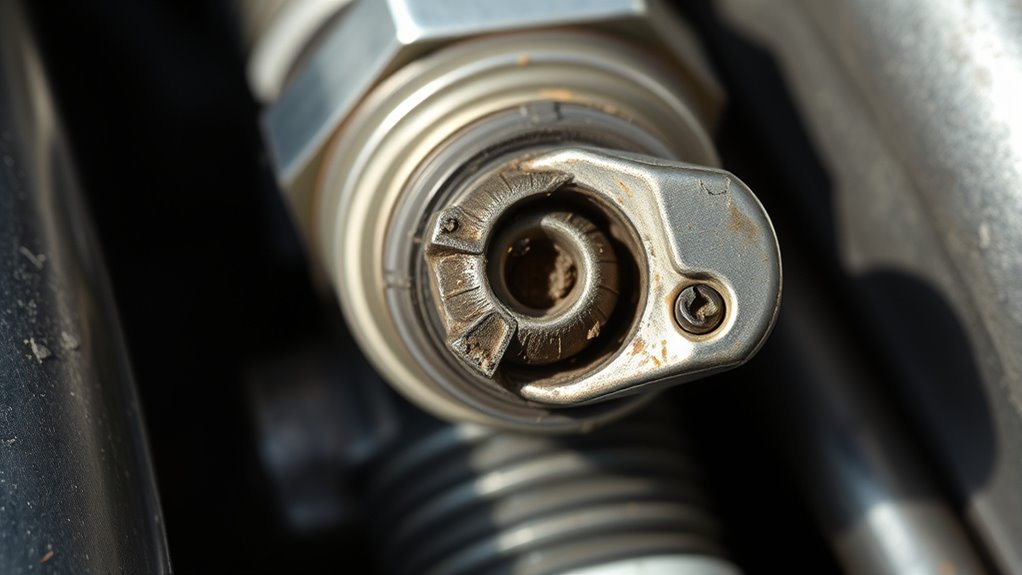
If your spark plugs are fouled, covered in carbon deposits, or worn beyond the electrode gap, it’s a clear sign they need replacing.
Paying attention to these signs helps keep your engine running smoothly and prevents bigger problems down the line.
Manufacturer Recommendations
Manufacturers give specific advice on how often to replace spark plugs, usually based on the type of plug and driving conditions. Your vehicle’s owner’s manual will have the recommended replacement intervals, which can vary depending on the spark plug type and your maintenance routine.
In general, you should replace spark plugs:
- Every 30,000 miles for copper plugs.
- Every 60,000 miles for platinum plugs.
- Every 100,000 miles for iridium plugs.
- When you notice symptoms like misfires, rough idling, or reduced fuel efficiency.
Following these guidelines helps keep your engine performing at its best and lasts longer. Keep in mind that tough driving environments or lots of short trips might mean more frequent replacements.
Sticking to the manufacturer’s recommendations can help maintain your vehicle’s efficiency and avoid unnecessary repairs.
How to Check Spark Plugs for Wear and Damage
Wondering how to tell if your spark plugs are worn or damaged? Start by checking the types of spark plugs your vehicle uses, since each has specific signs of wear.
Carefully remove the spark plugs and look for deposits, corrosion, or cracks on the insulator and electrodes. While inspecting, check the electrode gap with a feeler gauge. If it’s too wide or narrow, it can impact engine performance.
Examine the electrode tip for erosion or melting, which can indicate excessive heat or misfiring. Discoloration like brown or gray ash suggests the spark plug is working but might need cleaning or replacing.
Black, wet, or oily plugs often point to oil leaks or an overly rich fuel mixture. Regularly inspecting your spark plugs helps catch early signs of wear or damage, keeping your engine running smoothly.
Proper inspection is key to effective spark plug maintenance and ensuring your engine performs at its best.
What Causes Spark Plugs to Fail?
Spark plugs can fail prematurely for many reasons that speed up wear or cause damage. One common cause is using poor-quality materials, which can break down faster under high heat and pressure. Issues in the ignition system, like faulty wires or coils, can also lead to misfires and uneven wear.
Here are some key causes:
- Contamination: Oil, fuel, or carbon deposits can build up on the electrodes, disrupting spark efficiency.
- Overheating: Excessive engine temperatures can damage the ceramic insulator and deteriorate the spark plug.
- Incorrect Gap: A misaligned or improperly gapped spark plug causes misfires and uneven wear.
- Poor Maintenance: Ignoring regular inspections and replacements lets deposits and damage pile up.
Knowing these causes helps you spot when your spark plugs might be compromised, keeping your ignition system and engine running smoothly.
Why Ignoring Spark Plug Replacement Is Risky
Ignoring the need to replace spark plugs can lead to serious engine problems down the line. Over time, worn or fouled spark plugs can reduce their lifespan and cause your engine to run inefficiently.
Neglecting spark plug replacement can cause engine issues and reduce efficiency over time.
This can result in decreased fuel economy, rough idling, and difficulty starting your vehicle. If you neglect regular maintenance like inspecting and replacing spark plugs when needed, you risk more costly repairs later.
Spark plugs play an essential role in igniting the fuel-air mixture, so ignoring their condition disrupts engine performance.
Overdue replacements can lead to misfires, increased emissions, and even engine damage if left unaddressed. Staying on top of spark plug maintenance helps ensure your engine runs smoothly and prolongs your vehicle’s lifespan.
Don’t wait until symptoms worsen—timely replacement is key to maintaining peak performance and avoiding expensive repairs.
How to Replace Spark Plugs Step-by-Step
First off, you want to gather all the tools you’ll need — stuff like a spark plug socket and a ratchet wrench. Once you’ve got everything ready, carefully remove the old spark plugs. Just take your time and be gentle so you don’t accidentally damage anything nearby. When you’re putting in the new plugs, make sure they’re seated just right and tightened to the proper torque. That way, everything runs smoothly and you avoid any issues down the road.
Gather Necessary Tools
Before you start replacing your spark plugs, make sure you have all the tools you need. Having everything ready will make the job easier and quicker.
Knowing your spark plug types and having the right maintenance tools can save you a lot of time and frustration. It’s worth taking a few minutes to gather everything beforehand.
Here’s what you’ll need: a socket wrench with an extension for loosening and tightening, a spark plug socket designed for spark plug tips, a gap gauge to check and adjust the gaps, and some anti-seize compound to prevent future seizing and corrosion.
Having these tools on hand ensures you’re prepared for any type of spark plug and helps the process go smoothly. It also saves you from making unnecessary trips to the store or getting delayed during installation.
Remove and Install Carefully
To remove and install spark plugs carefully, start by making sure the engine is cool. This helps prevent burns and damage.
First, identify the right spark plug types for your vehicle, since different engines need specific plugs. Use a spark plug socket and ratchet to gently loosen and take out the old plugs, avoiding any excessive force.
When installing new plugs, follow the correct steps: hand-tighten first, then use a torque wrench to reach the manufacturer’s specified torque. Be aware of the different spark plug types—copper, platinum, or iridium—as each might have unique installation needs.
Avoid cross-threading or over-tightening, which can damage the threads or the cylinder head. Proper removal and installation help ensure your spark plugs perform well and last longer.
Choosing the Right Spark Plugs for Your Car
Choosing the right spark plugs for your car is key to getting the best engine performance and fuel efficiency.
Start by considering the different types, like copper, platinum, and iridium. Each one offers different durability and performance, so pick the one that matches your driving style.
Check your vehicle’s manual for the recommended spark plug specifications, including size and heat range, to ensure compatibility.
Stick with reputable brands like NGK, Bosch, or Denso, which are known for quality and reliability.
While cheaper options might seem tempting, investing in higher-quality spark plugs usually means better longevity and consistent performance.
When Should You See a Mechanic for Spark Plug Issues?
How can you tell when spark plug problems require a mechanic’s attention? If you’ve been doing regular spark plug maintenance but still notice issues, it’s time to see a professional.
Symptoms like rough idling, misfiring, or trouble starting usually point to more serious spark plug problems that need expert diagnosis. Poor engine performance, reduced fuel efficiency, or strange engine noises are also signs your spark plugs aren’t working properly.
Rough idling, misfiring, or trouble starting indicate serious spark plug issues needing professional diagnosis.
A mechanic can check if they need replacing or repairing. If you notice a strong fuel smell or your check engine light comes on, it’s best to get your vehicle checked right away. Ignoring these signs can cause more engine damage.
When you’re unsure, it’s wise to trust a mechanic to evaluate your spark plugs and get your engine running smoothly again. Proper maintenance by a professional can prevent costly repairs and keep your vehicle performing at its best.
Tips to Extend the Life of Your Spark Plugs
Maintaining your spark plugs can really help them last longer and keep your engine running smoothly. To boost their lifespan and follow some simple maintenance tips, here are a few strategies:
Check and replace spark plug wires regularly to prevent misfires. Using high-quality fuel and adding fuel system cleaners from time to time can help keep deposits away. Make sure your engine’s air filter is clean, too, which supports efficient combustion.
Finally, stick to your vehicle’s recommended maintenance schedule for spark plug replacement. Doing so can help you avoid unnecessary wear and keep your engine in top shape.
Frequently Asked Questions
Can Wrong Spark Plug Installation Damage My Engine?
Yes, wrong spark plug installation can damage your engine. Using the incorrect spark plug types or not installing them properly can lead to misfires, bad fuel economy, or even engine knocking.
If you don’t follow the manufacturer’s specs, the plugs might not fit right or make good contact. Always double-check the correct spark plug types and follow proper installation steps to avoid damage and keep your engine running at its best.
How Do Weather Conditions Affect Spark Plug Lifespan?
Extreme weather can really impact how long your spark plugs last. Hot climates make them wear out faster, while cold weather can cause corrosion and misfires.
It’s important to stay on top of spark plug maintenance in these conditions to keep your engine running smoothly. Ignoring weather effects can lead to engine problems.
Make sure to replace worn-out plugs promptly and keep an eye on their condition. This way, your vehicle will perform well no matter what the weather throws at you.
Are There Any Symptoms Before Spark Plug Failure?
Before your spark plugs fail, you might notice some symptoms. Spark plug wear can cause your engine to misfire, leading to rough idling or difficulty starting.
Ignition issues like poor acceleration, decreased fuel efficiency, or engine hesitation often signal that your spark plugs are nearing the end of their lifespan.
Keep an eye out for these signs, as catching them early helps prevent more serious engine problems down the line.
Can High-Quality Spark Plugs Last Longer?
Sure, high-quality spark plugs can last longer, but don’t assume they’re invincible. Spark plug materials like platinum or iridium resist wear better, which helps extend their lifespan.
Follow maintenance tips such as regular inspections and proper installation to get the most out of your plugs. Think of them as the marathon runners of your engine’s parts—designed to go further but still needing care.
Skip the upkeep, and even the best plugs will let you down. Proper care keeps them running smoothly for longer.
Is It Safe to Drive With Worn Spark Plugs Temporarily?
Driving with worn spark plugs temporarily isn’t entirely safe because it can hurt your engine’s performance and shorten the spark plug’s life.
You might notice rough idling, misfires, or lower fuel efficiency. While you can keep driving short distances, it’s best to replace them soon.
Worn plugs put extra strain on your engine, which can lead to more damage and costly repairs later on.
Make replacing them a priority to keep your vehicle running smoothly and avoid bigger issues down the road.
Conclusion
Keeping an eye on your spark plugs helps ensure your engine runs smoothly and quietly, like a well-rehearsed symphony. Regular checks and timely replacements are gentle reminders that your car’s heart needs a little tender loving care.
When you notice subtle signs of wear, don’t ignore them. They’re like whispers from your vehicle, urging you to pay attention and give it some extra care.
By tending to your spark plugs, you’re helping your car deliver reliable, effortless miles. Catching the signs early keeps your engine running at its best and prevents bigger issues down the road.