Engine Temp Spikes Then Return Normal: What Are The Causes?
Dealing with engine temperature spikes that then quickly return to normal can be pretty stressful. If you’re like many car owners, you’ve probably wondered what’s causing these sudden fluctuations in your engine’s temperature.
You’re not alone—this is a common issue that many people struggle with. Understanding the root causes can help you stay ahead of potential problems and keep your engine running smoothly.
If your engine temperature spikes then quickly returns to normal, it’s likely caused by temporary issues in your cooling system. Common causes include a faulty thermostat that’s sticking or opening improperly, low coolant levels, or sensor malfunctions sending incorrect signals.
Problems with the water pump or small leaks can also trigger these fluctuations. If you want to understand how to identify and fix these issues, keep exploring the details below.
Key Takeaways
- Sensor malfunctions or false readings can cause temporary temperature spikes that seem normal once the issue is corrected.
- Thermostat problems, like sticking open or closed, can lead to brief overheating episodes, which then normalize.
- Coolant contamination or low coolant levels can cause fluctuating temperatures, especially when the engine is under heavy load.
- Blockages in the cooling system or a faulty water pump disrupt coolant flow and result in intermittent temperature spikes.
- Engine design or sudden increases in load can create hotspots, causing temporary overheating that stabilizes after the load is reduced.
What Causes Brief Engine Temperature Spikes?
Brief engine temperature spikes often happen suddenly and can be caused by different factors. One common reason is the engine design, which might lead to temporary overheating under certain conditions.
Some engines have hotspots or less efficient cooling channels, making them more likely to experience quick temperature changes. Ambient temperature also plays a big role; on hot days, the surrounding air can cause the engine to heat up quickly, especially if the cooling system has trouble keeping up.
Some engines are more prone to quick temperature changes due to hotspots and less effective cooling channels.
Sudden accelerations or heavy loads can cause brief spikes as the engine works harder and produces more heat temporarily. Usually, these spikes are short-lived if the cooling system is working properly.
Understanding how engine design and environmental factors like ambient temperature interact can help you tell when these brief temperature jumps are normal or if they indicate a bigger issue.
Can Low Coolant Levels Lead to Temperature Fluctuations?
Yeah, low coolant levels can definitely make your engine’s temperature jump around unexpectedly. When there’s not enough coolant, the system struggles to keep things in check, which can lead to overheating. It’s like trying to cool down a hot room with a tiny fan—it just doesn’t work as well.
Keeping an eye on your coolant level is pretty important because, when it’s low, your engine isn’t getting the proper heat regulation it needs. That can cause those sudden temperature spikes and, over time, might even lead to engine damage. So, understanding how coolant levels affect temperature stability is key to preventing issues and keeping your engine running smoothly.
Coolant Level Impact
When your coolant level drops below the recommended mark, it can cause your engine’s temperature to fluctuate unexpectedly. Low coolant levels hinder proper heat transfer, making your engine prone to spikes and sudden drops in temperature.
Regular coolant maintenance helps keep the levels right and ensures you’re using the right coolant for your vehicle. Using the wrong coolant can reduce efficiency and lead to temperature instability.
Keep an eye on your coolant levels and top off as needed to prevent fluctuations.
| Coolant Level | Effect on Engine Temperature |
|---|---|
| Low | Fluctuations, overheating |
| Full | Stable, consistent temps |
| Proper coolant | Efficient heat transfer |
| Wrong coolant | Potential temperature spikes |
Overheating Risks Increase
If your coolant level drops too low, your engine becomes much more prone to overheating, especially during demanding driving conditions or hot weather. Low coolant impairs overheating prevention, increasing the risk of engine damage.
When coolant is insufficient, the engine struggles to maintain proper temperature, causing spikes that can return to normal temporarily. To avoid this, regular engine maintenance is essential.
Keep an eye on coolant levels and top off as needed. Ignoring low coolant can lead to severe overheating, cracked engine components, or even engine failure. Proper engine maintenance and coolant checks greatly reduce overheating risks.
- Regularly inspect coolant levels
- Replace worn-out hoses and radiator parts
- Use the correct coolant type
- Schedule routine engine maintenance
Temperature Fluctuation Causes
Coolant levels directly impact your engine’s temperature stability. When coolant is low, your engine can experience sudden temperature fluctuations because there’s not enough fluid to absorb and transfer heat effectively.
Poor coolant quality, like old or contaminated fluid, can also cause inconsistent temperature readings and reduce cooling efficiency. Additionally, malfunctioning or dirty temperature sensors may give inaccurate readings, making it seem like your engine temperature is fluctuating.
Low coolant levels can cause the cooling system to work harder, leading to spikes and drops in temperature as it struggles to maintain ideal heat levels. Regularly checking and maintaining good coolant quality, along with ensuring your temperature sensors are clean and working properly, helps prevent these fluctuations.
How Does a Faulty Thermostat Trigger Temp Spikes?
A faulty thermostat can cause sudden temperature spikes in your engine because it fails to regulate coolant flow properly. When it malfunctions, it either stays closed or open at the wrong times, messing with temperature control.
A faulty thermostat causes engine temperature fluctuations by improperly regulating coolant flow.
If it sticks closed, coolant can’t circulate, which makes the engine overheat quickly. On the other hand, if it stays open, the engine might not reach the right temperature, leading to inconsistent readings.
These issues cause abrupt temperature spikes because the cooling system struggles to keep things balanced. You might notice the temperature gauge jumping around, or the engine running hot and then suddenly cooling down.
Sometimes, you’ll see rapid overheating followed by quick cooling, or the gauge fluctuating a lot. This inconsistent regulation can cause extra wear on your engine.
Can Sensor Failures Cause False Temperature Readings?
Can sensor failures lead to inaccurate temperature readings in your engine? Yes, they can. When sensors go bad, they often send wrong signals to your vehicle’s computer, causing false readings.
This can happen if the sensor’s calibration drifts over time or if it gets damaged. Faulty wiring is another common issue; damaged or corroded wires can interrupt the signal, leading to misleading data.
If your sensor isn’t properly calibrated or wiring problems exist, your engine control unit (ECU) might think the engine is hotter or cooler than it really is. This can cause temporary temperature spikes or dips that go back to normal once the problem is fixed.
Regular maintenance, like checking sensor calibration and inspecting wiring connections, can help prevent false readings. Catching these issues early can save you unnecessary repairs and keep your engine running smoothly.
Do Engine Load and Driving Conditions Affect Temperature?
When your engine’s sensors report unexpected temperature spikes, changes in engine load and driving conditions might be to blame. High engine load happens during acceleration, towing, or climbing hills, which makes the engine work harder and generate more heat.
Driving conditions like stop-and-go traffic or extreme weather can also affect engine temperature.
You should consider these factors:
- Heavy loads increase engine temperature because they demand more from the components.
- Rapid acceleration or deceleration causes fluctuations in engine load, leading to brief temperature spikes.
- Climbing steep hills raises engine load and results in higher temperatures.
- Hot or cold weather influences how your engine manages heat.
Knowing how engine load and driving conditions impact temperature can help you prevent overheating and catch potential issues early.
Pay attention to how different driving scenarios affect your engine’s temperature to keep it running smoothly.
Can Coolant Contamination Cause Temperature Surges?
Yeah, coolant contamination can definitely cause temperature surges. When contaminants get into your coolant, they can mess with its ability to keep your engine at the right temperature. So, instead of cooling things down properly, you might start seeing sudden spikes in temperature.
You might also notice some signs like the coolant changing color or your engine overheating unexpectedly. If you ignore these warning signs, it can lead to damage in your cooling system and even cause more serious engine problems down the line. So, it’s really important to catch these issues early and get them sorted out.
Contaminant Effects on Coolant
Contaminants in coolant can really affect your engine’s ability to keep things cool. When fluid gets contaminated, it speeds up coolant breakdown, making it harder for it to transfer heat properly.
This can cause temperature spikes because the cooling system struggles to stay stable. Dirt, rust, or oil particles can clog the radiator or hoses, blocking flow and preventing proper heat dissipation.
Degraded coolant also loses its protective qualities, which increases the risk of corrosion and further reduces cooling efficiency. Common contaminants include dirt, debris, rust particles, oil or grease, corrosion products from engine wear, and chemical imbalances that cause coolant to break down.
Signs of Contaminated Fluid
If coolant becomes contaminated, you’ll likely notice several warning signs that something’s wrong. Contaminated fluids like oil, dirt, or rust can change how the coolant looks and works.
You might see a milky or cloudy mixture or debris floating in the reservoir. Unusual smells or a sludgy buildup are also common signs.
Sources like leaks, degraded seals, or improper fluid mixing can introduce these impurities into your cooling system. These signs often lead to irregular temperature changes or sudden spikes.
That’s because contaminated fluid can’t transfer heat effectively. Recognizing these signs early helps prevent more serious engine damage.
Make a habit of inspecting your coolant regularly and staying alert for any changes. Addressing issues early can save you from costly repairs down the line.
Impact on Cooling System
When coolant gets contaminated, it can really mess up your engine’s ability to keep cool, often causing sudden temperature spikes. Dirt, oil, or rust in the coolant reduce its efficiency and make the radiator work harder.
This can cause your cooling system to struggle, leading to engine temperature spikes. You might notice your temperature gauge acting up or temporary overheating.
Contaminated coolant also promotes corrosion, which can damage parts and lower system reliability. To avoid these issues, make sure to check and flush your coolant regularly.
Using clean, properly mixed coolant helps maintain peak efficiency. Also, check your radiator for blockages or leaks, as these can make cooling even worse.
Keeping your cooling system clean and working properly helps your engine stay at a steady temperature and prevents sudden spikes.
What Role Does the Water Pump Play in Temperature Spikes?
The water pump plays an essential role in keeping your engine at the right temperature by circulating coolant through the engine and radiator.
When it works properly, it ensures a steady flow of coolant, helping to prevent hotspots that can cause temperature spikes.
If the pump isn’t maintained well, it can fail, which disrupts this circulation.
A malfunctioning pump means coolant stops flowing efficiently, which can cause the engine to overheat temporarily.
That overheating can lead to sudden temperature spikes, even if the engine cools down later.
Common signs of a failing water pump include squealing noises or coolant leaks near the pump.
Regular inspections and maintenance can help prevent these issues before they become serious.
If you notice your engine’s temperature fluctuating, it’s important to check the pump’s condition.
A failing water pump not only causes temperature spikes but can also lead to more serious engine damage if ignored.
Keeping your water pump in good shape helps your cooling system run smoothly and keeps your engine safe.
Can Small Leaks Lead to Sudden Temp Increases?
Small leaks in your cooling system might seem minor, but they can really impact the engine’s temperature. Even tiny leaks can cause pressure loss, which often leads to overheating. When coolant leaks out, your engine struggles to stay at the right temperature, causing sudden spikes.
To figure out if leaks are the problem, leak detection and pressure testing are key. These methods help find hidden leaks that aren’t obvious just by looking. If a small leak gets worse, it can cause quick pressure drops and rapid temperature increases.
This is especially true if the coolant level drops below what’s needed to keep the engine cool. Catching leaks early can prevent sudden temp spikes and avoid more serious damage. Regular maintenance, including leak detection and pressure tests, helps spot small leaks before they turn into big problems.
- Use leak detection tools for quick checks
- Perform pressure testing to check system integrity
- Look for visible signs of leaks or coolant loss
- Fix small leaks promptly to avoid overheating
When Should You Be Worried About Repeated Temp Spikes?
If you notice your engine’s temperature jumping up repeatedly or staying high for a long time, it’s definitely something you should pay attention to. These spikes can be a sign that something’s not quite right under the hood. Keep an eye out for how often it happens and how long it lasts — the longer or more frequent they are, the more you should be concerned.
Also, watch for warning signs like steam escaping or strange noises coming from the engine. Those are clues that things might be getting worse. Catching these issues early can help you avoid bigger problems down the road and keep your engine running smoothly.
Frequency of Spikes
Repeated temperature spikes are a concern, especially if they happen often during normal driving. Keeping an eye on how often they occur can help you figure out if there’s a bigger issue with your engine.
If spikes happen randomly or with short gaps between them, it might point to underlying problems. Pay attention to how long each spike lasts—longer or recurring spikes often suggest issues with the cooling system or sensors.
Frequent spikes during steady driving shouldn’t be ignored. Short, irregular spikes might be less serious but still worth checking out. If spikes happen at regular intervals, it could mean a mechanical fault or sensor problem.
Rapidly recurring temperature increases call for quick inspection to avoid damage. Recognizing these patterns helps you know when to seek professional help.
Duration of Elevated Temp
While short-lived temperature spikes can sometimes be harmless, prolonged periods of increased engine temperature are a serious concern. The duration of spikes matters because brief rises might be normal under heavy load or hot weather, but if the spike lasts more than a few minutes, it’s a warning sign.
Repeated, prolonged temperature increases suggest the engine isn’t cooling properly or there’s an underlying issue, like a failing radiator or water pump. If you notice the temperature gauge staying high for more than a few minutes or rapidly cycling between normal and high readings, it’s time to investigate further.
Persistent or frequent spikes indicate your engine is under stress and could sustain damage if not addressed quickly. Always keep an eye on how long the spikes last to prevent costly repairs.
Accompanying Warning Signs
How can you tell when temperature spikes are more than just brief fluctuations? Look for warning signs that your engine performance is suffering. Repeated temp spikes often come with other symptoms indicating trouble.
Overheating alerts or when the temperature gauge stays high longer than usual are key signs. You might also hear unusual engine noises like knocking or ticking sounds.
Decreased fuel efficiency or a loss of power during acceleration can also mean something’s wrong. Plus, a sweet or burnt smell coming from the engine bay is a warning sign you shouldn’t ignore.
These signs suggest persistent temperature fluctuations are a problem. When your engine isn’t performing normally along with temp spikes, it’s time to investigate further. Ignoring these signs can cause serious damage.
Recognizing these symptoms early helps prevent costly repairs and keeps your vehicle running smoothly. Always stay alert to changes in engine performance and temperature behavior.
How to Diagnose and Fix Temporary Engine Temperature Fluctuations?
Are your engine temperature readings fluctuating unexpectedly? To diagnose these issues, start with a basic engine diagnostics scan to identify any error codes related to cooling system components.
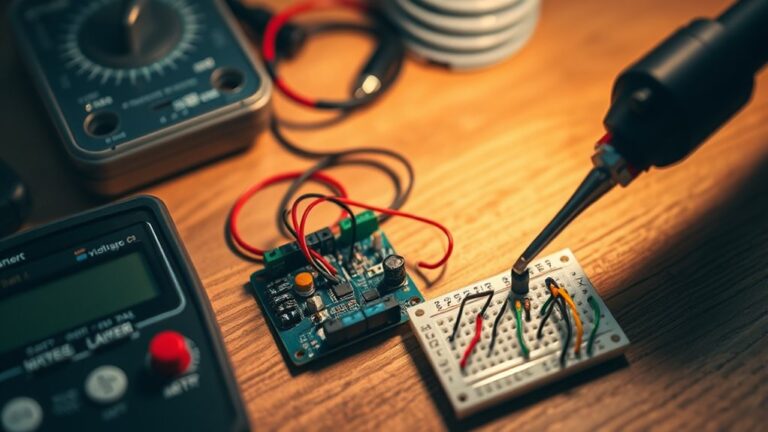
Next, check your temperature sensors, as faulty sensors can send incorrect signals, causing false temperature readings. Use a multimeter to test the sensors’ resistance and verify they’re functioning properly.
Inspect the coolant level and look for leaks or blockages that could cause temperature swings. Also, examine the radiator, water pump, and thermostat for signs of damage or malfunction.
If you notice inconsistent readings or suspect faulty parts, replace the temperature sensors and flush the cooling system if necessary. Regular maintenance and timely repairs can prevent temperature fluctuations from becoming serious problems.
Frequently Asked Questions
Can External Weather Conditions Cause Engine Temperature Spikes?
Yes, external weather conditions can cause engine temperature spikes. Hot or humid weather can put extra strain on your cooling system, leading to fluctuations in temperature.
Sometimes, faulty temperature sensors might misread these changes, causing temporary spikes that then return to normal. It’s a good idea to check the sensors and cooling system regularly, especially during extreme weather.
Doing this helps prevent overheating or false readings that could damage your engine. Staying on top of these checks keeps your engine running smoothly, no matter the weather.
How Does Engine Age Affect Temperature Regulation?
As your engine ages, it struggles with temperature regulation because of engine wear, which affects how well components work.
Coolant degradation can decrease heat transfer, leading to temperature spikes.
Thermostat failure stops proper cooling regulation, causing fluctuations.
Plus, older engines often have increased oil viscosity, making lubrication harder and raising engine temperature.
Regular maintenance can help fix these issues and keep your engine running smoothly while maintaining the right temperature despite aging.
Are There Specific Driving Habits That Lead to Temp Fluctuations?
Yes, your driving habits can cause temperature fluctuations. Rapid acceleration puts extra load on the engine, which temporarily raises its temperature.
Likewise, frequent load changes, like towing or carrying heavy cargo, stress the cooling system and can lead to temperature spikes.
Driving smoothly and steadily helps keep the engine temperature consistent. Try to avoid sudden accelerations and heavy loads whenever you can.
Always keep an eye on your vehicle’s temperature gauge so you can catch any unusual spikes early.
What Impact Does Improper Radiator Maintenance Have on Temperature?
Improper radiator maintenance can cause your engine temperature to spike and then return to normal. When coolant levels are low or radiator leaks develop, the cooling system can’t regulate temperature effectively.
This can make your engine overheat temporarily, leading to temperature fluctuations. Regularly checking coolant levels and inspecting for leaks helps prevent these issues.
Can Aftermarket Modifications Influence Engine Temperature Stability?
Yes, aftermarket modifications can influence engine temperature stability. When you do aftermarket tuning, you often change engine settings that affect heat output, which can cause temperature spikes.
Upgrading your cooling system with better radiators or fans helps manage heat more effectively. If these modifications aren’t installed or calibrated properly, they might cause temperature fluctuations.
Make sure your cooling system is compatible with your aftermarket tuning to keep engine temps stable. This way, your engine runs smoothly without overheating or cooling issues.
Conclusion
When your engine temp spikes and then settles, it’s like a flickering candle struggling against a gust—brief, unpredictable, but fixable.
Understanding the causes can help you address the problem before it gets worse.
Common issues include low coolant levels, a faulty thermostat, or a blocked radiator.
These can cause temperature fluctuations that seem to come and go.
Keep an eye on those fluctuations and don’t ignore the warning signs.
A sudden spike followed by normal readings might seem minor, but it’s worth checking out.
With careful diagnosis, you’ll restore smooth sailing—your engine humming steady, a calm lake beneath a clear, blue sky.
Knowing the main causes of engine temp spikes helps you keep your vehicle running smoothly.