Grinding Noise When Braking: 5 Possible Reasons and Solutions
Are you tired of that annoying grinding noise when you hit the brakes? You’re not alone—many drivers struggle with this frustrating issue. It’s not just loud, but it can also be a sign that something’s wrong with your braking system.
Luckily, diagnosing and fixing brake grinding problems doesn’t have to be a mystery.
If you notice a grinding noise when braking, it could be caused by worn brake pads, damaged or warped rotors, rust or debris buildup, incorrect brake pad material, or thin pads needing replacement.
You should inspect your brake pads, rotors, and verify everything is properly aligned. If these issues persist or worsen, professional help might be necessary.
Keep going to uncover more about diagnosing and fixing brake grinding issues effectively.
Key Takeaways
- Worn brake pads that are causing metal-on-metal contact often make that grinding sound you hear when braking.
- Damaged or warped rotors can also lead to grinding and make stopping less effective.
- Rust or debris on the rotors can create grinding noises when you press the brake pedal.
- Using the wrong brake pad material or uneven wear can cause noise and uneven braking performance.
- If grinding continues even after replacing the pads, it’s a good idea to get a professional check on the rotors or calipers.
Why Does My Car Make a Grinding Noise When I Brake?
A grinding noise when braking usually means there’s an issue with your brake system that needs fixing. One common cause is worn brake pads, especially if they’re made from softer materials or aren’t the right type for your vehicle. When brake pads wear down past their limit, metal touches metal, causing that harsh grinding sound.
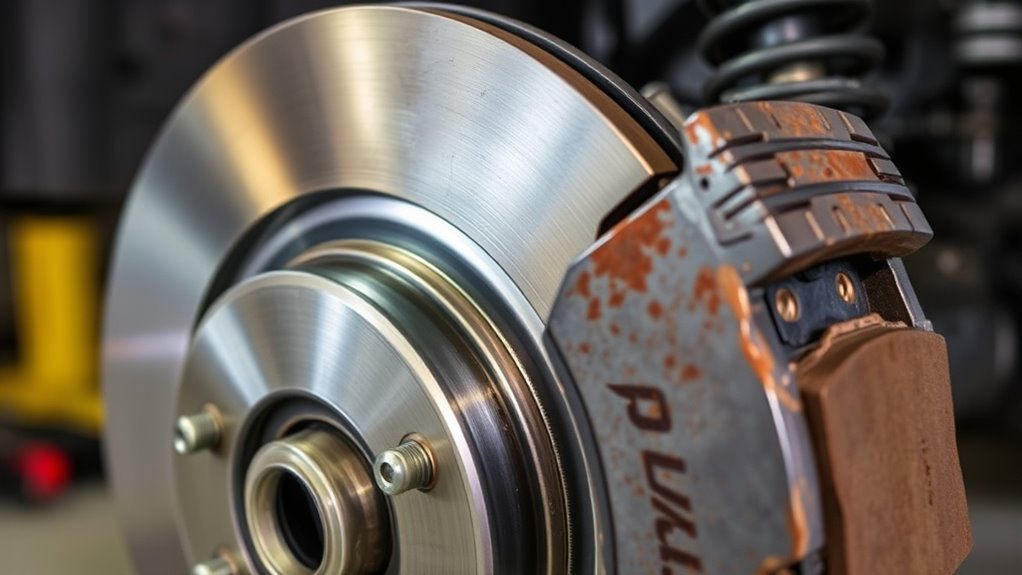
The condition of your rotors also matters a lot. If they’re warped, cracked, or heavily scored, they won’t give a smooth surface for the brake pads. This can lead to grinding noises when you brake. Over time, rust or debris buildup on the rotor surface can also cause noise.
Regularly checking your brake pad thickness and rotor condition can help prevent these grinding issues. If you hear that grinding sound, it’s a sign you should inspect your brake pads and rotors soon. Addressing it early can prevent more damage and keep you safe on the road.
How to Identify the Causes of Brake Grinding
To identify the causes of brake grinding, start by listening carefully when you brake. Pay attention to when the noise happens and how loud it is. This can help you figure out what’s causing the problem.
Next, inspect your brake parts for common issues. Look for worn brake pads—if they’re thin or uneven, they might be causing the grinding sound. Also, check for dirt or rust buildup between the brake components.
Damaged rotors can also be a culprit. If you notice grooves or warping in the rotors, they often lead to loud grinding noises. Lastly, make sure all parts are tight and aligned. Loose brake calipers or hardware can create abnormal sounds when you brake.
DIY Fixes for Common Brake Problems, Like Worn Pads
Worn brake pads are a common cause of grinding noises when braking, and replacing them can often fix the issue yourself. To do this, safely lift your vehicle and remove the wheel to access the brake assembly.
Check the brake pads; if they’re thin or cracked, it’s time to replace them. While you’re at it, inspect the rotor for scoring or warping. You might need to resurface or replace the rotor if it’s damaged.
When changing the brake pads, make sure you properly compress the caliper piston and install the new pads evenly. Double-check that all hardware is secure and free of debris.
Once everything is reassembled, bed in the new pads by braking gently a few times. This helps ensure proper contact and braking performance. Regular rotor inspections during pad replacement can help prevent future grinding and extend your braking system’s life.
When to Seek Professional Help for Brake Noise
While some brake noises can be easy to fix with DIY repairs, persistent or loud grinding sounds usually point to a serious issue that needs professional help. If the noise keeps happening or gets worse, it’s a good idea to get a brake inspection and expert diagnosis.
Consider seeking help if:
- The grinding continues even after you’ve replaced the brake pads.
- You notice your braking performance has decreased or it takes longer to stop.
- The noise happens when you’re applying light pressure or releasing the brake pedal.
- You feel vibrations or pulsing when you brake.
Ignoring these signs can lead to more damage, like warped rotors or damaged calipers. A professional brake inspection can quickly find the root cause. They’ll do a thorough noise diagnosis and identify issues beyond what DIY fixes can fix.
If you notice any of these signs, don’t wait. Consult a professional to keep your brakes working properly and stay safe on the road.
Tips to Maintain Your Brakes and Prevent Grinding Noise
Regular brake maintenance is key to preventing grinding noises and keeping your brakes in good shape. Check your brake pads often for wear and replace them when needed.
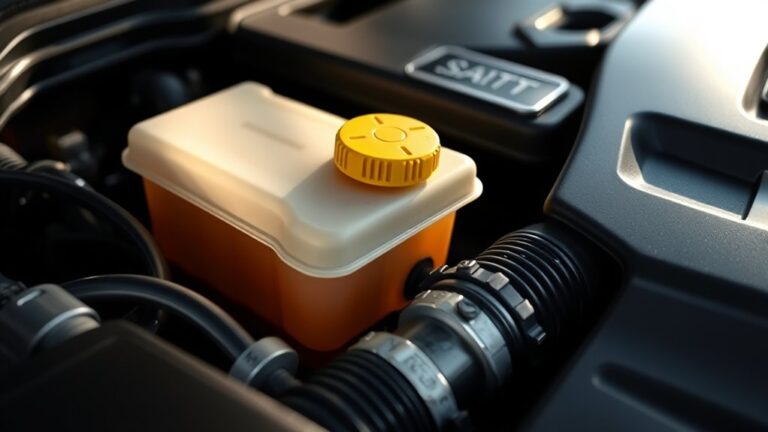
Make sure your brake fluid is at the right level and change it according to your vehicle’s schedule. Old fluid can reduce braking performance and cause issues.
Clean your brake components regularly to remove dust and debris that can lead to grinding sounds. Keep an ear out for any unusual noises and get them checked early before they get worse.
Avoid aggressive braking and let your brakes cool down if you’ve been driving downhill or braking heavily. If you notice squealing or grinding sounds, have a professional inspect your brakes promptly.
Proper brake care not only prevents noise but also extends the life of your braking system. Staying on top of maintenance keeps you safer on the road and helps avoid costly repairs.
Frequently Asked Questions
Can Environmental Factors Cause Brake Grinding Noises?
Yes, environmental factors can cause brake grinding noises. Weather conditions like rain or snow can lead to moisture buildup, which causes rust or corrosion on your brake parts. This often results in grinding sounds when you brake.
Road debris such as small stones or dirt can also get stuck between the brake pads and rotors. When this happens, you might hear grinding noises whenever you press the brake.
Regular inspections and cleaning can help prevent these noises. Keeping your brakes in good shape will ensure they work smoothly and quietly.
How Often Should Brake Components Be Inspected for Wear?
Think of your brakes as the guardians of your safety, silently working behind the scenes. You should inspect your brake components regularly, ideally every 10,000 to 15,000 miles, or when wear indicators start to signal trouble.
This routine check helps catch early signs of wear, preventing loud grinding noises and ensuring your brakes stay responsive. Don’t wait for trouble. Stay proactive and keep those brakes in prime condition!
Are Ceramic Brake Pads Less Likely to Produce Grinding Sounds?
Yes, ceramic brake pads are less likely to produce grinding sounds. Their ceramic benefits include smoother operation and quieter performance, thanks to their softer material and precise manufacturing.
You’ll notice less noise and vibration during braking, making your ride more comfortable. While they still need regular inspection, ceramic pads usually reduce noise issues compared to metallic or semi-metallic options.
This means you get a quieter, more enjoyable driving experience overall.
What Are the Safety Risks of Ignoring Brake Grinding Noises?
Ignoring brake grinding noises poses serious safety risks because it can lead to brake system failure. You might lose stopping power, which increases the chance of accidents.
Regular maintenance tips like inspecting brake pads and rotors can help prevent damage. Addressing grinding noises promptly keeps your braking system effective and safe.
Don’t delay repairs—ignoring these sounds risks your safety and can lead to costly repairs later on.
Do Different Vehicle Brands Have Specific Brake Noise Issues?
Yes, different vehicle brands often have specific brake noise issues, which can come from brand-specific problems or common complaints.
For example, some brands might experience squealing because of the brake pad design, while others could face grinding caused by caliper issues.
Knowing these brand-specific issues can help you identify the root cause faster and choose the right solutions.
This can also reduce the risk of more damage or safety concerns down the line.
Conclusion
If your brakes are making a grinding noise, don’t ignore it—dealing with the issue early can save you money and keep you safe. For example, Jane ignored her squealing brakes until they started grinding, which led to costly repairs.
Regular maintenance and prompt inspections can prevent this problem from getting worse. Staying proactive about your brake health is key to avoiding surprises on the road.
When in doubt, it’s always best to seek professional help. Keeping your brakes in good shape means safer stops and peace of mind when you’re driving. Addressing brake grinding early is the best way to stay safe.