How Many Spark Plugs Are in a 4 Cylinder Engine? Explained
Feeling confused about your car’s engine and spark plugs? You’re not alone. Many people struggle with understanding how many spark plugs their 4-cylinder engine needs and why it matters for performance and maintenance.
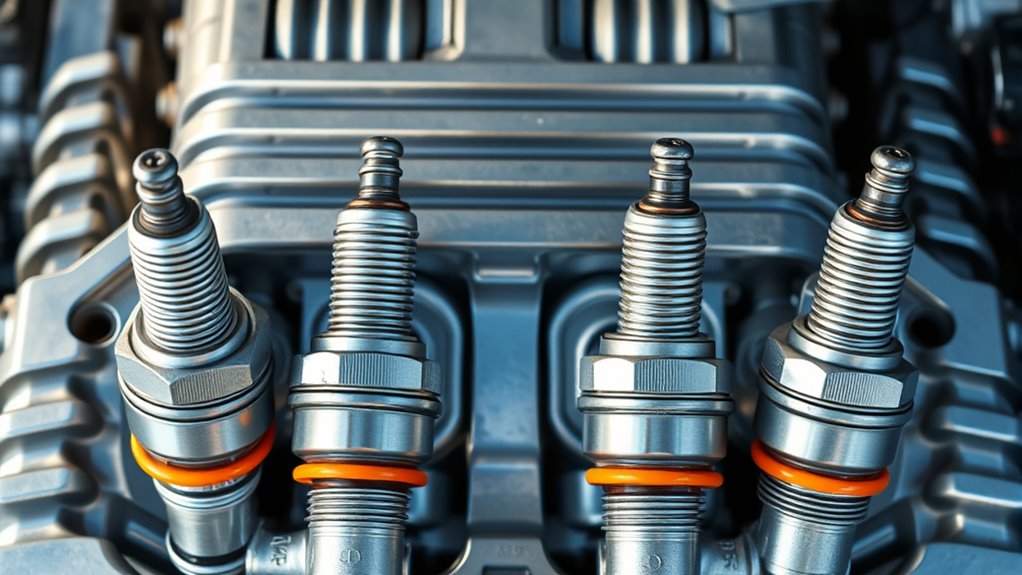
Most 4-cylinder engines use one spark plug per cylinder, so you’ll typically find four spark plugs in total. However, some engines have two spark plugs per cylinder for better combustion and efficiency.
Whether your engine has one or more spark plugs, knowing the setup helps with maintenance and performance.
Curious about why some engines have multiple plugs or how to tell if yours needs replacement? Keep exploring to find out more.
Key Takeaways
- Most 4-cylinder engines use one spark plug per cylinder, so you’ll typically find four spark plugs.
- Some engines might have two spark plugs per cylinder for better combustion and efficiency.
- The number of spark plugs can change depending on the engine’s design and what it’s built for.
- Regularly checking and maintaining your spark plugs helps keep your engine running smoothly.
- Using high-quality spark plugs with the right gap settings can improve engine performance and last longer.
How Many Spark Plugs Does a 4-Cylinder Engine Usually Need?
Have you ever wondered how many spark plugs a typical 4-cylinder engine needs? Most 4-cylinder engines use one spark plug per cylinder, so you’ll usually find four spark plugs.
The specific spark plug types can vary depending on the engine design and performance needs. Standard spark plugs are common for everyday driving, providing reliable ignition and smooth engine operation.
If you’re looking to boost engine performance, you might consider high-performance or iridium spark plugs. These can improve ignition efficiency and fuel economy.
Some engines, especially those with advanced ignition systems, may even use two spark plugs per cylinder. This setup helps ensure more complete combustion.
But for most standard 4-cylinder engines, one spark plug per cylinder is enough. Knowing the right spark plugs for your engine can help optimize its performance and longevity.
This way, your engine runs smoothly and efficiently, keeping you on the road without issues.
Why Do Some 4-Cylinder Engines Use Multiple Spark Plugs Per Cylinder?
Ever wonder why some 4-cylinder engines have more than one spark plug per cylinder? It’s mainly to improve spark plug efficiency and optimize ignition timing. Using multiple spark plugs helps ignite the air-fuel mixture more evenly and quickly, which leads to better combustion.
This can boost power output, fuel economy, and reduce emissions. Plus, dual or multiple spark plugs give better control over ignition timing, especially at different engine speeds. With improved ignition control, the engine runs smoother and more efficiently across various conditions.
Some engines use this setup to ensure complete combustion in each cylinder. That can prevent knocking and enhance overall performance. Ultimately, adding more spark plugs per cylinder is a way to fine-tune the ignition process for better reliability and efficiency.
Single vs. Dual Spark Plugs in 4-Cylinder Engines: What’s the Difference?
Are single and dual spark plugs in a 4-cylinder engine really different in how they affect performance? Yes, they impact ignition efficiency and power delivery. Single spark plug systems focus on simplicity and reliability, providing consistent ignition. Dual spark plugs, however, give more complete combustion, which can boost fuel efficiency and cut emissions.
Here’s a quick comparison:
| Spark Plug Types | Impact on Ignition Efficiency | Performance Benefits |
|---|---|---|
| Single | Reliable, straightforward | Adequate power, lower cost |
| Dual | More complete combustion | Better fuel economy, smoother engine |
Choosing between them depends on your engine’s design and what you want to achieve. Dual spark plugs can improve ignition efficiency and make the engine run smoother, but they also need more maintenance and can be pricier.
How to Tell If Your 4-Cylinder Engine Has One or More Spark Plugs Per Cylinder
Wondering how to tell if your 4-cylinder engine has one or multiple spark plugs per cylinder? It usually depends on the design of your ignition system.
Start by opening your vehicle’s hood and locating the spark plugs. If there’s one spark plug per cylinder, you’ll see a single wire connected to each plug.
If there are multiple wires attached to a single cylinder, that indicates dual spark plugs. Some engines with advanced ignition systems, like twin spark setups, are designed to fire multiple plugs per cylinder to boost efficiency and power.
You can also check your vehicle’s owner manual or service guide for details about your engine’s spark plug setup. This helps you figure out whether your engine relies on one or more spark plugs per cylinder, which is useful to know for maintenance or troubleshooting.
What Are the Benefits of Using Multiple Spark Plugs in a 4-Cylinder Engine?
Using multiple spark plugs in a 4-cylinder engine can greatly boost combustion efficiency, leading to better fuel economy and smoother engine performance. When more than one spark plug fires in each cylinder, it promotes more complete and quicker combustion, which improves spark plug efficiency.
This combustion enhancement results in more consistent power delivery and reduces engine knocking or misfires. Moreover, multiple spark plugs can help distribute ignition energy more evenly, minimizing stress on individual plugs and extending their lifespan.
With better combustion control, your engine runs more efficiently, consuming less fuel and producing fewer emissions. This setup also allows for finer tuning of ignition timing, optimizing performance across different driving conditions.
Common Variations in Spark Plug Setups for 4-Cylinder Engines
There are several common variations in spark plug setups for 4-cylinder engines, each designed to boost performance, fuel efficiency, or longevity. The type of spark plugs you choose really impacts how well your engine runs.
Standard copper spark plugs are affordable and perform well but tend to wear out faster. On the other hand, iridium or platinum spark plugs last longer and help improve engine performance by providing a more reliable spark.
Some setups use different heat ranges to prevent fouling or pre-ignition, depending on your driving conditions. Others might feature dual-electrode designs for better ignition consistency.
Additionally, certain engines benefit from multi-spark setups, which enhance combustion efficiency. These variations in spark plug types and configurations let you customize your engine’s performance, fuel economy, and durability.
Knowing these common setups helps you pick the right spark plugs for your specific driving needs and engine requirements.
How to Check and Replace Spark Plugs in a 4-Cylinder Engine
Checking and replacing spark plugs in a 4-cylinder engine is a straightforward process that can boost your vehicle’s performance and fuel efficiency. Start by disconnecting the negative battery cable for safety.
Locate the spark plugs, which are usually covered by ignition coils or spark plug wires. Carefully remove the ignition coils or wires to access the plugs.
Use a spark plug socket and ratchet to unscrew each spark plug. As you do, inspect them for signs of wear or fouling. Replace any worn or damaged plugs with new ones, making sure they’re gapped correctly for your engine.
Use a spark plug socket and ratchet to inspect and replace worn or damaged plugs for optimal engine performance.
While checking the plugs, take note of the electrode condition and any deposit buildup. When installing new plugs, tighten them to the recommended torque to avoid damage.
Proper spark plug replacement helps maintain ideal ignition timing and ensures your engine runs smoothly. Regular checks and timely replacements keep your engine’s combustion process efficient and reliable.
Signs Your Spark Plugs Are Failing or Worn Out
Ever notice your engine misfiring, stalling, or running rough? These could be signs your spark plugs are failing or worn out. Spark plug lifespan varies, but if they’ve been in use for a while, they might be losing their effectiveness.
Worn spark plugs can cause incomplete combustion, leading to poor engine performance, hesitation, or difficulty starting your vehicle. You might also notice decreased fuel efficiency or an increase in emissions.
Another sign is engine knocking or misfires under load, which indicates the spark plugs aren’t firing properly. If you see black, fouled, or worn electrodes on your spark plugs during inspection, it’s time to think about replacing them.
Regularly monitoring these signs helps maintain peak engine performance and prevents more serious issues down the road. Don’t ignore early symptoms—addressing worn spark plugs promptly keeps your engine running smoothly.
Do Multi-Spark Plug Engines Perform Better?
Multi-spark plug engines are designed to ignite the fuel-air mixture more efficiently by generating multiple sparks within a single combustion cycle. This helps improve ignition efficiency, leading to smoother engine operation and potentially better fuel economy.
You might notice increased performance benefits, especially in challenging conditions like cold starts or high loads, where reliable ignition is critical. Multi-spark systems can reduce misfires, boosting power output and engine responsiveness.
Here’s a quick comparison:
| Feature | Single Spark | Multi Spark |
|---|---|---|
| Ignition Efficiency | Moderate | High |
| Performance Benefits | Basic | Enhanced |
| Reliability | Average | Improved |
| Fuel Economy | Standard | Better |
| Cold Starts | Less effective | More effective |
Tips for Maintaining the Correct Spark Plug Setup in Your 4-Cylinder Engine
Sure! Here’s a more conversational version of your text:
If you want your 4-cylinder engine to run smoothly, it’s a good idea to check your spark plugs regularly for any signs of wear or damage. Just a quick inspection can save you from bigger problems down the road.
Also, make sure the gap is set just right. Getting that gap correct is key to making sure your engine performs at its best. And don’t forget to use quality replacement parts when it’s time for new spark plugs — cheap ones can cause more issues than they’re worth.
Staying on top of these simple steps can help prevent misfires and keep your engine running efficiently. It’s really about a little maintenance now to save you headaches later!
Regular Spark Plug Inspection
Regular spark plug inspection is essential for making sure your 4-cylinder engine runs smoothly and efficiently. By doing routine spark plug maintenance, you can catch problems early and avoid engine misfires.
Check your spark plugs based on the manufacturer’s recommended inspection schedule. During inspection, look for signs like corrosion, worn electrodes, or deposits that could affect performance.
Keep these tips in mind:
- Carefully remove spark plugs to avoid damage
- Inspect for cracks, carbon buildup, or erosion
- Clean or replace spark plugs as needed
- Check the condition of the spark plug wires and boots
Regularly inspecting your spark plugs helps maintain proper combustion, fuel efficiency, and engine life. Staying on top of this maintenance keeps your engine running reliably and smoothly.
Correct Gap Settings
Ensuring your spark plugs are set to the correct gap is essential for ideal engine performance. The gap measurement influences spark strength and combustion efficiency.
Different spark plug types may require specific gap settings, so always check your manufacturer’s recommendations. To maintain proper gap, use a spark plug gapping tool to measure and adjust the distance between the center and ground electrodes accurately.
Overly tight gaps can cause misfires, while gaps that are too wide may lead to weak sparks. Regularly inspecting and adjusting the spark plug gap helps prevent engine issues and maximizes fuel economy.
Keep in mind that proper gap settings are vital for smooth engine operation, and always verify the correct gap measurement for your specific spark plug type before installation.
Use Quality Replacement Parts
Using high-quality replacement spark plugs is vital for maintaining peak performance in your 4-cylinder engine. Choosing reputable spark plug brands guarantees durability, reliable ignition, and ideal fuel efficiency.
While quality plugs might cost more upfront, they often reduce replacement costs over time by lasting longer and performing better. When selecting replacement parts, consider these tips:
- Opt for well-known spark plug brands with good reviews.
- Avoid cheap, generic options that may wear out quickly.
- Check compatibility to match your engine’s specifications.
- Prioritize plugs with the proper heat range for your vehicle.
Investing in quality spark plugs keeps your engine running smoothly and can prevent costly repairs down the line. Remember, the right spark plug setup is essential for engine health and efficiency.
Frequently Asked Questions
How Does the Number of Spark Plugs Affect Engine Performance?
The number of spark plugs impacts your engine’s performance by influencing ignition efficiency. Using the right spark plug types guarantees proper ignition timing, which boosts power, fuel economy, and smoothness.
For example, a single spark plug per cylinder simplifies ignition, while dual plugs can improve combustion. Properly timed sparks lead to better acceleration and lower emissions.
Are There Specific Brands Recommended for 4-Cylinder Spark Plugs?
You’ll want to choose top-tier brands like NGK, Denso, or Bosch for your 4-cylinder engine.
These brands offer reliable spark plug types and materials that can make your engine roar like a beast. Their spark plugs are designed for maximum performance, durability, and fuel efficiency.
Trusting these brands guarantees your engine runs smoothly, avoiding misfires and boosting power like nothing else on the market.
What Is the Typical Lifespan of Spark Plugs in a 4-Cylinder Engine?
You can expect spark plugs in a 4-cylinder engine to last about 30,000 to 50,000 miles, depending on the spark plug types and driving conditions.
To boost their lifespan, follow maintenance tips like inspecting for wear, keeping the engine clean, and replacing them as recommended.
Regularly checking and replacing spark plugs helps ensure your engine performs at its best and runs efficiently, saving you money and avoiding potential engine problems down the road.
Can Using the Wrong Spark Plugs Damage My Engine?
Using the wrong spark plug types can damage your engine because they might not match your engine’s specifications.
Incorrect spark plug types can cause misfires, poor fuel efficiency, or even damage to the ignition system. Always check your vehicle’s manual to make sure the spark plugs meet the manufacturer’s recommendations.
Properly matched spark plugs help your engine run smoothly and can save you from costly repairs down the line.
How Does Spark Plug Placement Influence Engine Efficiency?
Spark plug placement directly impacts your engine’s efficiency by ensuring proper combustion. When spark plugs are correctly positioned, they help optimize their types for your engine, leading to better combustion efficiency.
Proper placement allows the spark to ignite the fuel-air mixture evenly, which reduces misfires and improves fuel economy. If the placement is off, it can cause incomplete combustion, decreasing performance and increasing emissions.
Conclusion
Think of your 4-cylinder engine like a well-orchestrated band—each spark plug is a musician playing its part. When all are in sync, your engine runs smoothly and efficiently.
If one falls out of tune, performance drops. Regularly checking and replacing your spark plugs keeps your engine singing its best.
Remember, a small tune-up can prevent a big breakdown—like fine-tuning an instrument before the big performance.
Keep those spark plugs in harmony for a smooth ride.