Why Your Car Heater Blows Cold Air While Driving: Solutions & Maintenance Tips
If your car heater blows cold air while you’re driving, you’re not alone. Many drivers struggle with this frustrating issue, especially during colder months when you just want to stay warm and comfortable.
Understanding what causes this problem can help you fix it quickly and keep your car cozy.
If your car heater blows cold air while driving, it’s often caused by low coolant levels, a stuck thermostat, or clogged heater cores, which prevent proper heat transfer.
You should check your coolant level, inspect for leaks, and verify the thermostat is functioning correctly.
Faulty blower fans or HVAC controls can also cause issues.
Keeping up with regular maintenance can prevent these problems and ensure your heater works when you need it most.
Stick around to learn simple steps to fix your heater and keep it running smoothly.
Key Takeaways
- Low coolant levels can reduce heat transfer, causing the heater to blow cold air even when the engine is warm.
- A malfunctioning thermostat might prevent the engine from warming up properly, leading to insufficient heat for the cabin.
- Clogged or leaking heater cores can block proper coolant flow, resulting in less or no warm air.
- Faulty heater control valves or blower fan issues can disrupt airflow and mess with temperature regulation.
- Regular maintenance like coolant checks and system flushing can help prevent heater problems and leaks.
Why Is My Car Heater Blowing Cold Air While Driving?
Have you ever wondered why your car heater suddenly blows cold air while you’re driving? It’s frustrating, but often it’s linked to your heater’s performance under certain driving conditions.
When the engine doesn’t reach its ideal operating temperature, the heater may not produce warm air. Cold weather or stop-and-go traffic can also affect heater performance because the system struggles to maintain heat.
If your radiator or coolant levels are low, it hampers heat transfer, leading to cold airflow. Sometimes, driving conditions like prolonged idling or short trips prevent the engine from warming up enough to generate heat efficiently.
It’s important to monitor your coolant system because a well-maintained cooling system guarantees your heater works effectively. By understanding how driving conditions influence heater performance, you can better troubleshoot issues and keep your car’s heating system running smoothly.
Common Causes of a Cold Car Heater
When your car heater blows cold air despite being driven for some time, the issue often comes down to common mechanical or fluid problems. One of the most frequent causes is low coolant levels, which can directly affect how well your heater works and cause unpredictable temperature changes.
If the coolant isn’t circulating properly, your heater won’t produce warm air. A clogged heater core can also block the flow of heated coolant, leading to cold airflow even if the engine is warm. Additionally, a malfunctioning thermostat might not open fully, preventing hot coolant from reaching the heater core.
This results in inconsistent heating and fluctuating temperatures inside your vehicle. Worn or broken heater control valves can also hinder proper coolant flow, affecting heater performance. Catching these issues early can save you from bigger problems and make sure your heater keeps you warm and comfortable during your drives.
How Low Coolant Levels Affect Your Car’s Heating
Low coolant levels can significantly affect your car’s heating system. Often, you’ll notice the heater blowing cold air even when the engine is warm.
Coolant circulation is key for transferring heat from the engine to the heater core, which then heats the air you feel through the vents. When coolant levels drop, circulation slows down or stops altogether.
Proper coolant circulation ensures your heater works efficiently and prevents engine overheating.
This reduces the heat transfer process, making your heater less effective at warming your cabin. Without enough coolant, your engine might also run hotter than normal, increasing the risk of overheating.
To keep your heater working properly, check your coolant level regularly and top it off if needed. Maintaining the right coolant level ensures proper circulation and keeps your heating system functioning as it should.
Addressing low coolant levels promptly not only improves heater performance but also helps protect your engine from overheating and potential damage, ultimately extending its lifespan.
What Happens When the Thermostat Malfunctions?
A malfunctioning thermostat can cause your engine’s heating system to behave unpredictably. When it fails, it might get stuck open or closed, leading to thermostat failure issues.
If it’s stuck open, your engine may never reach its ideal temperature, which means the heater might blow cold air even on long drives. On the other hand, if it’s stuck closed, the engine can overheat, risking serious damage.
Symptoms show that a stuck-open thermostat results in cool or uneven cabin heat. A stuck-closed thermostat causes overheating and warning lights. You might also see fluctuating temperature gauges or coolant leaks.
Recognizing these signs early helps prevent further damage and ensures your heating system works properly. A faulty thermostat disrupts your car’s performance and comfort.
How to Check and Flush Your Cooling System
First off, take a look at your coolant levels and make sure they’re within the recommended range. If they’re too low, it’s a good idea to add some coolant.
If the coolant looks old or dirty, you might want to drain it out and give the system a good flush. This helps clear out any debris or buildup that could clog things up.
Once that’s done, refill the system with fresh coolant. This way, your cooling system will run smoothly and help prevent your engine from overheating.
Inspect Coolant Levels
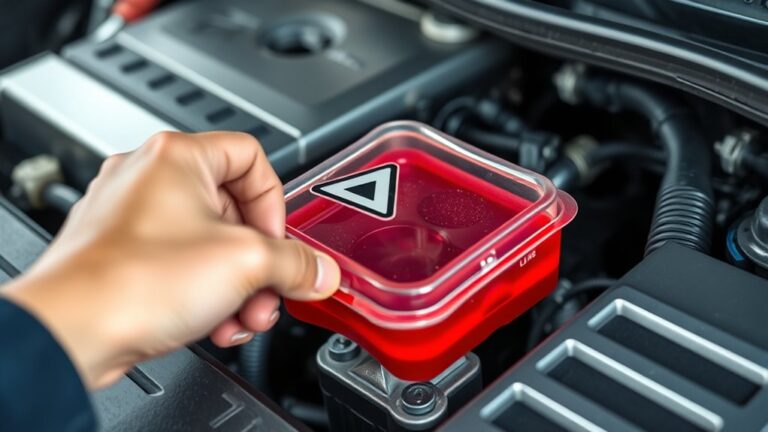
Checking your coolant levels is a simple but important step to keep your car heater working well. Make sure the coolant is at the right level because low coolant can lead to poor heating.
When you inspect, look at the markings on the coolant reservoir and add more if needed. Use the correct coolant type recommended by your vehicle’s manufacturer, like glycol-based or extended-life formulas.
Different coolants can affect how well your cooling system and heater work. Check that the coolant is clean and free of debris or discoloration for best results.
Regularly checking the coolant levels helps prevent overheating and ensures your heater blows warm air when you need it. Keeping the coolant topped off keeps your cooling system and heater functioning smoothly.
Drain and Flush System
To make sure your cooling system works properly and your heater stays effective, it’s important to drain and flush the system regularly. This helps improve heating efficiency and keeps the coolant in good shape.
Start by draining the old coolant from the radiator. Then, flush the system with water or a cleaning solution to remove debris and rust.
Use the table below to understand the key steps:
| Step | Action |
|---|---|
| 1 | Drain old coolant |
| 2 | Flush with water or cleaner |
| 3 | Repeat if necessary |
| 4 | Drain the flushing solution |
| 5 | Prepare for refilling |
Regular draining and flushing help prevent overheating, boost heater performance, and extend your cooling system’s life.
Refill With Fresh Coolant
Once you’ve drained and flushed the cooling system, it’s important to refill it with fresh coolant to keep your engine at the right temperature and prevent rust. Choose the correct coolant types recommended for your vehicle, like ethylene glycol or organic acid formulas. Mixing incompatible coolants can reduce their effectiveness and cause damage.
Check your owner’s manual for how often to refill—usually every 2 to 5 years or after 30,000 to 50,000 miles. When refilling, make sure the radiator cap is off and fill slowly to avoid trapping air. Use a 50/50 mix of coolant and distilled water unless your manual says otherwise.
Properly topped-up coolant helps your heater blow warm air and keeps your engine running smoothly. Regular maintenance like this ensures your vehicle performs well and prevents overheating issues.
Could a Faulty Heater Core Be the Problem?
If your heater isn’t working quite right, one possible culprit could be a faulty heater core. You might notice some signs like coolant leaking inside your car or a sweet smell filling the cabin—that’s often a sign of a leak.
A failing heater core can also make it harder for your car to heat up properly, so you might find it tough to stay warm while driving. If you’re experiencing these issues, it’s worth looking into the heater core as a potential problem.
Signs of a Leak
A leak in your car’s heater system can quickly become a serious problem, especially if it’s coming from the heater core. Signs of a leak include a sweet smell inside your vehicle, foggy or damp windows, and a drop in coolant levels.
To confirm, make sure to perform leak detection and coolant inspections regularly. If you notice puddles under your car or a persistent coolant smell, you might have a leak.
Addressing these signs early can prevent further damage and costly repairs. Keep an eye on these indicators:
| Signs of a Leak | Emotional Impact |
|---|---|
| Coolant puddles | Stress and worry |
| Foggy windows | Frustration |
| Sweet smell inside | Anxiety over repairs |
Prompt action helps keep your heater system working properly and your drives comfortable.
Impact on Heating System
A leaking heater core can seriously affect your vehicle’s heating performance, often making the system less effective. When it leaks, hot coolant escapes before it can warm the air that heats your cabin.
This leak also messes with temperature control, making it hard to keep a steady, comfortable temperature inside your car. You might notice foggy windows, a sweet smell, or coolant loss, which are signs of a bad heater core.
As a result, your heater might blow cold air even when you turn on the heat. It’s important to get a heater core issue checked out quickly to restore proper heating and keep your system running smoothly.
How to Diagnose Issues With Your Blower Fan or Resistor
Wondering why your car’s blower fan isn’t working properly? The first step is figuring out if the problem is with the blower fan itself or the resistor. Here’s how to get started:
Check the fuse first. A blown fuse can stop power from reaching the blower fan or resistor, so make sure it’s intact.
Next, inspect the blower motor. Turn on the fan and listen for any noise. If you hear nothing, the blower motor might be faulty.
Turn on the fan and listen—if there’s no noise, the blower motor may be faulty.
Then, test the resistor using a multimeter. Remove the resistor and check for continuity. If there’s no continuity, it needs to be replaced.
Finally, look for loose wiring. Examine all connections to the blower fan and resistor for corrosion or loose contacts.
What to Do When HVAC Controls Are Broken or Stuck
When your vehicle’s HVAC controls are broken or stuck, it can be pretty frustrating and mess with your comfort. You might notice the controls aren’t responding or they’re frozen in one position, making it hard to adjust the temperature.
Start by inspecting the control panel for obvious damage or dirt. Sometimes, issues come from loose wiring or blown fuses. Try resetting the system or checking the fuse box to troubleshoot.
If the controls still won’t respond, it’s a good idea to test the actuator motors behind the dashboard. These motors regulate airflow and temperature. Here’s a quick visual guide:
| Issue | Solution |
|---|---|
| Stuck or unresponsive controls | Reset system, check fuses |
| Control panel damage | Replace or repair panel |
| Blown fuse | Replace fuse |
| Faulty actuator motor | Test and replace if needed |
| Wiring problems | Inspect and repair wiring |
Addressing control panel issues quickly will help restore your HVAC system’s proper function.
Simple Maintenance Tips to Keep Your Heater Working
Regularly maintaining your vehicle’s heater is key to keeping it effective during cold weather. Consistent maintenance ensures it performs well and prevents issues like blowing cold air.
Here are four simple tips to keep your heater working properly:
- Check coolant levels regularly. Low coolant can reduce heater performance. Make sure it’s topped up as needed.
- Inspect for leaks in hoses and the radiator. Fix any leaks you find to prevent further problems.
- Replace cabin air filters once a year. Doing this improves airflow and helps your heater work more efficiently.
- Perform regular checks of the thermostat and heater core. Look for signs of corrosion or clogs that could cause trouble.
Sticking to these basic tips can help you avoid costly repairs and keep your heater reliable. Regular inspections catch small issues early, preventing bigger problems later.
When to Call a Professional for Car Heating Problems
If your car’s heater isn’t warming up properly or you hear unusual noises, it’s a sign you might need professional help. Problems like constant cold air, strange sounds, or frequent overheating suggest that your heating system needs expert diagnosis.
You should call a professional if simple troubleshooting doesn’t fix the issue or if you’re unsure about handling components like the thermostat or heater core. It’s better to be safe than sorry.
Here’s a quick guide:
| When to Seek Help | Why It Matters |
|---|---|
| Heater blows cold air constantly | Could mean coolant or thermostat problems |
| Strange noises when heater is on | Might point to a failing blower motor or fan belt |
| No heat at all during operation | Could indicate a malfunction or leaks |
Getting a professional check-up ensures accurate diagnosis and safe repairs, helping prevent further damage.
Frequently Asked Questions
Can a Clogged Cabin Air Filter Cause Cold Air From the Heater?
A clogged cabin air filter can definitely cause cold air from your heater. When the filter is blocked, it restricts airflow, which reduces heater performance and keeps warm air from circulating properly.
You might notice your heater blowing cold air even though it should be warm. Replacing a clogged filter improves airflow and heater efficiency, making sure your system works as it should and keeps you comfortable during drives.
How Does Ambient Outside Temperature Affect Heater Performance?
Did you know that outside temperatures below freezing can cut your heater’s efficiency by up to 50%? When it’s really cold outside, your car’s heating system has a tough time keeping the cabin warm, leading to fluctuations in temperature.
Cold air from outside makes it harder for your heater to do its job, so reaching a comfortable temperature takes longer. To help out, make sure your heating system is well-maintained and consider using extra insulation or block heaters in very cold weather.
Does Using the Heater Frequently Impact Fuel Efficiency?
Using the heater frequently can slightly impact your fuel consumption because heater operation draws power from your engine’s cooling system, which may increase load.
When you keep the heater on, your engine works a bit harder, leading to increased fuel use. However, the effect is usually minimal.
To save fuel, use your heater wisely and turn it off when you don’t need it, especially during warmer weather.
Can Electrical Issues Prevent the Heater From Producing Warm Air?
Electrical issues can definitely stop your heater from producing warm air, and sometimes the problems can seem pretty serious. Wiring problems or a faulty power supply can cut off the electricity your heater needs to run properly.
If your vehicle’s electrical system isn’t providing steady power, your heater won’t work, leaving you cold. It’s important to address these electrical issues quickly to get your warmth and comfort back inside your car.
How Often Should I Have My Cooling System Inspected for Optimal Performance?
You should have your cooling system inspected at least once a year or every 12,000 to 15,000 miles. Routine checks help catch leaks, corrosion, or worn-out parts early, keeping your system running smoothly.
Regular inspections prevent overheating and ensure your system performs at its best, especially before extreme weather changes. Don’t wait for problems to pop up—schedule professional maintenance ahead of time.
Keeping up with these checks will help your heater blow warm air when you need it most and extend the lifespan of your cooling system.
Conclusion
Addressing a cold car heater might seem intimidating, but with a bit of troubleshooting, you can often solve the problem yourself. Regular maintenance keeps your heating system running smoothly, ensuring comfort even in the coldest storms.
Don’t let a faulty heater turn your drive into a chilly nightmare. Think of your car’s heating system as the beating heart of your vehicle’s comfort. When in doubt, calling a professional is like summoning a car whisperer to restore warmth to your journey.
By taking care of your car heater, you can avoid those unexpected cold surprises while driving. Keep it well-maintained, and you’ll stay warm no matter how cold it gets outside.