Mastering Engine Diagnosis: A Comprehensive Guide to Troubleshooting Car Issues
Many car owners find engine diagnosis intimidating, especially when unexpected issues pop up. You’re not alone—troubleshooting engine problems can feel overwhelming, but with the right knowledge, it becomes much easier.
Mastering engine diagnosis involves inspecting your engine visually for leaks, corrosion, and worn belts, and performing routine maintenance like oil changes and air filter checks.
Recognize symptoms such as strange noises, rough idling, or warning lights, then use an OBD-II scanner to retrieve trouble codes. Troubleshoot issues like misfires or overheating promptly.
Regular maintenance and knowing when to seek professional help can keep your engine running smoothly.
Keep exploring to learn more about effective troubleshooting techniques.
Key Takeaways
- Conduct a thorough visual inspection and routine maintenance to identify obvious issues and prevent future problems.
- Recognize common engine symptoms like unusual noises, warning lights, and performance drops for early diagnosis.
- Diagnose cooling system and overheating issues by monitoring temperature signs and inspecting coolant levels and components.
- Maintain the fuel system by cleaning injectors, replacing filters, and addressing fuel-related performance issues promptly.
- Use OBD-II scanners and seek professional help for accurate diagnosis and troubleshooting of complex engine problems.
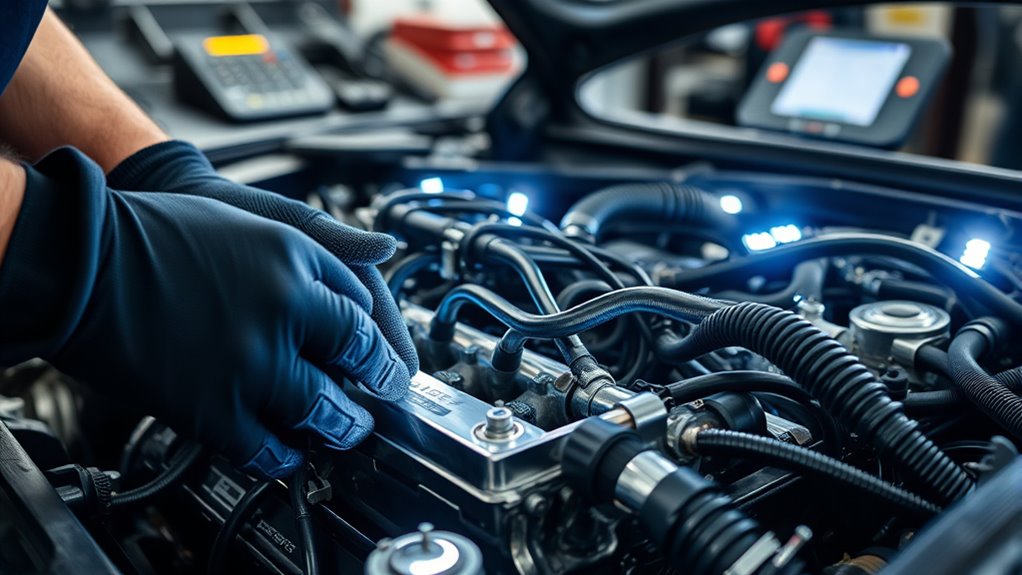
How to Perform a Visual Inspection of Your Engine
Performing a visual inspection of your engine is a crucial first step to spotting potential problems. Start by checking the engine components for any obvious signs of trouble.
Look for visual cues like oil leaks, corrosion, or cracked belts. These can indicate wear or damage that needs attention. Use inspection techniques such as checking for loose or frayed belts and inspecting hoses for cracks or swelling.
Check for oil leaks, cracked belts, and hose damage to catch early engine issues.
Examining engine cleanliness helps reveal leaks or buildup that could signal issues. Make sure fluid levels—oil, coolant, and others—are within recommended ranges, since low levels can cause overheating or damage.
Pay attention to part wear, including frayed belts or worn hoses, which might need replacing. Also, look for signs of corrosion on metal surfaces, as this can weaken engine parts.
Recognize Common Engine Symptoms and What They Mean
After finishing a visual check, the next step is to spot common engine symptoms that can point to specific issues. These signs are useful for catching problems early on.
- Unusual engine noise: Knocking, ticking, or sputtering sounds might mean internal damage or worn-out parts.
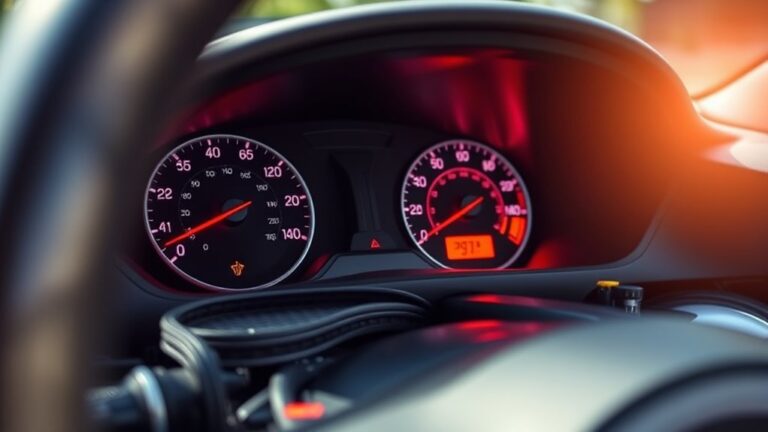
- Warning lights and exhaust smoke: A blinking check engine light or colored smoke—blue, white, or black—can indicate engine trouble or oil burning.
- Performance drops and vibration issues: Loss of power, rough idling, or shaking could be signs of misfires, fuel problems, or engine misalignment.
- Foul smells and coolant leaks: Fuel odors, sweet coolant leaks, or overheating may point to leaks, head gasket issues, or electrical faults.
Recognizing these symptoms helps you identify potential causes early, so you can fix problems before they get worse and save money on repairs.
Using an OBD-II Scanner to Read Check Engine Light Codes
Using an OBD-II scanner is one of the quickest ways to identify the cause of a check engine light. It connects to a port usually located under your dashboard, allowing you to retrieve diagnostic trouble codes (DTCs).
The scanner’s function is pretty straightforward: it reads these codes, which point to specific issues in your engine or emissions system. Once plugged in, turn on your vehicle and activate the scanner, which will communicate with your car’s onboard computer to display any stored codes.
These codes are a great starting point for troubleshooting, helping you pinpoint problems without guesswork. Many scanners also show live sensor readings, which can help diagnose more complex issues.
Troubleshooting Engine Misfires and Rough Idling
If your engine is misfiring or idling rough, it can be pretty frustrating. Usually, the culprits are things like worn-out spark plugs, issues with fuel delivery, or even vacuum leaks. The first step is to get a sense of what’s going on, so you can narrow down the cause.
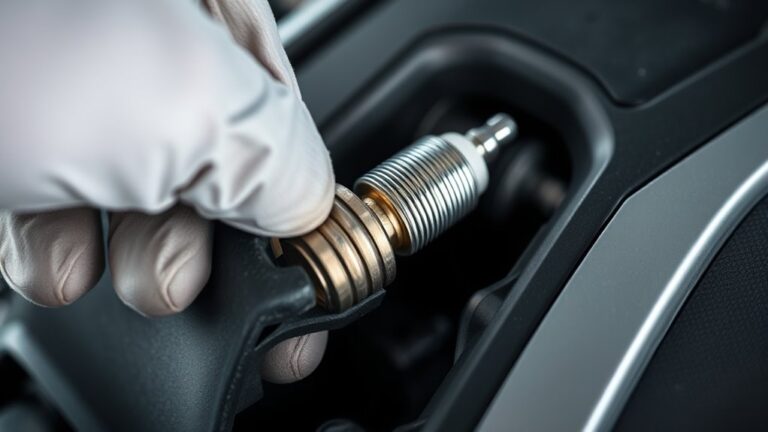
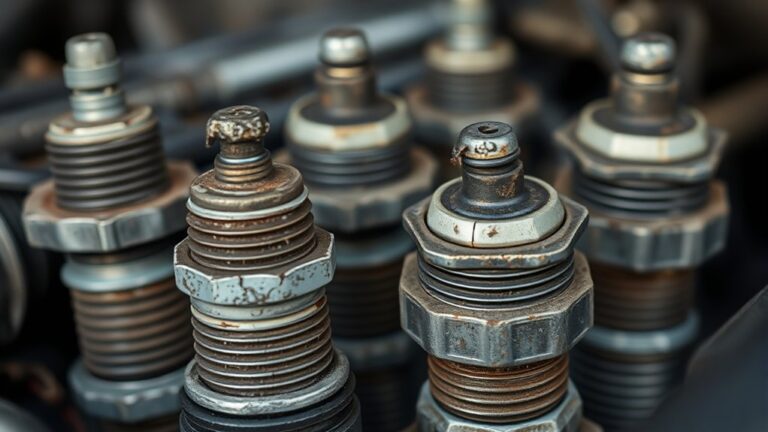
To troubleshoot, start by checking the spark plugs—they’re often the main suspects. If they look worn or dirty, replacing them might do the trick. Next, take a look at your fuel system to make sure your injectors and fuel filter are working properly. And don’t forget to inspect for vacuum leaks, which can cause rough idling. By paying attention to how your engine behaves at idle and doing some simple checks, you can usually figure out what’s causing the problem pretty quickly. This way, you save time and avoid risking further damage to your engine.
Common Causes of Misfires
Misfires and rough idling often come from issues with the ignition system, fuel delivery, or engine compression. Common causes include:
- Fuel injectors that aren’t spraying fuel properly, leading to misfires.
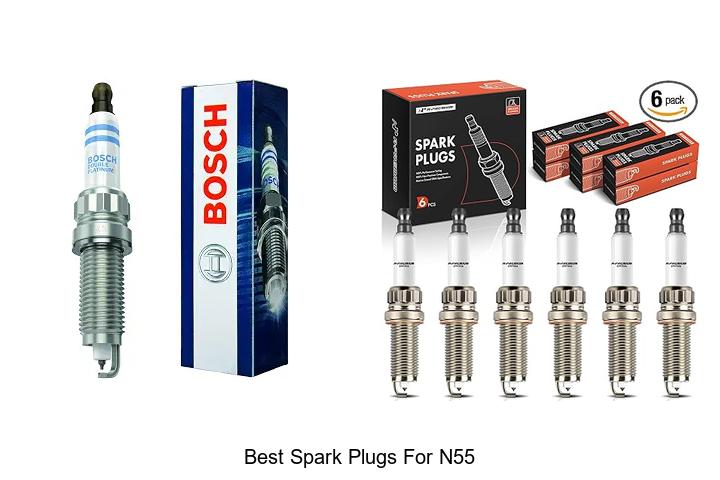
- Spark plugs that are failing, causing weak or no sparks.
- Ignition coils that are having problems, resulting in inconsistent or weak sparks.
- Engine timing errors or compression leaks that mess up combustion.
Sensor malfunctions can also throw off the engine’s performance, making firing irregular. When these parts don’t work right, the combustion becomes uneven, causing rough idling and misfires. To find the cause, check the fuel injectors, inspect the spark plugs and ignition coils, and verify engine timing and compression. Fixing these issues quickly helps your engine run smoothly and avoids more damage.
Diagnosing Rough Idle
Rough idling often signals underlying issues with your engine’s ignition or fuel system, making it feel uneven or shaky when you’re stopped or at low speeds. To diagnose this, start by checking your engine’s idle speed—the RPM should stay steady. If it’s too low or fluctuates, it could indicate a problem.
Next, examine the fuel mixture; if it’s too rich or lean, your engine won’t run smoothly. Use a scan tool or listen for misfires to identify irregularities. Inspect spark plugs, vacuum hoses, and fuel injectors for leaks or clogs.
Adjustments to the fuel mixture or cleaning components can often restore a stable idle. Proper diagnosis guarantees you target the right issue, restoring smooth operation and preventing further damage.
Diagnosing Poor Acceleration and Loss of Power
Poor acceleration and loss of power can be caused by many issues, but figuring out the problem takes a systematic approach. Start by checking the throttle response since sluggishness here often points to issues with the throttle body or sensors.
Next, look at the fuel delivery system; inconsistent fuel flow can cause hesitation and power drops. Common causes include clogged fuel injectors, faulty throttle position sensors, dirty air filters, and fuel pump problems disrupting the fuel supply.
Identifying Cooling System Problems and Overheating Signs
Your cooling system is pretty important for keeping your engine healthy, so it’s a good idea to keep an eye out for any issues. Things like leaks or a thermostat that’s acting up can cause problems down the line if you don’t catch them early. If your car starts showing signs of overheating—like steam coming from the engine, the temperature gauge climbing high, or even strange smells—you definitely want to pay attention. Ignoring these signs can lead to bigger, more expensive repairs later on.
Staying on top of regular maintenance, like checking your coolant levels and inspecting the system, can really make a difference. It’s a simple way to prevent overheating and keep your engine running smoothly. So, make sure to give your cooling system a little love now and then—it’ll save you a lot of trouble in the long run.
Common Cooling System Failures
Cooling system failures are some of the most common reasons for engine overheating, and catching these issues early can save you costly repairs. You might notice coolant leaks pooling under your vehicle or a sudden drop in coolant levels.
A thermostat failure can prevent proper temperature regulation, causing the engine to run hot or cold unexpectedly. Radiator issues, like clogs or corrosion, impair heat dissipation and can lead to overheating. The water pump, which circulates coolant, may fail or leak, disrupting the flow.
Here are four common problems:
- Coolant leaks from hoses or radiator cracks
- Malfunctioning thermostat stuck closed
- Radiator blockages or corrosion
- Water pump failure or leaks
Recognizing Overheating Symptoms
Recognizing the signs of engine overheating is essential for preventing serious damage. Keep an eye on your temperature gauge; if it moves into the red zone, your engine is overheating.
Look for coolant leaks under your vehicle or around the radiator, as these can indicate a loss of coolant, which hampers cooling efficiency. Unusual smells or steam coming from the engine bay are also warning signs.
If your dashboard lights up with a warning indicator, don’t ignore it. Overheating can cause severe engine damage if not addressed quickly.
Regularly check coolant levels and inspect for leaks or damage to hoses and the radiator. Staying alert to these signs allows you to take immediate action before bigger problems happen.
Preventative Maintenance Tips
Regular preventative maintenance is key to catching cooling system problems early and avoiding engine overheating. By routinely performing fluid checks and belt inspections, you can spot issues before they escalate.
For example, keep an eye on coolant levels; low fluid can cause overheating. Inspect belts for cracks or fraying, as damaged belts can impair the water pump’s function. Moreover, listen for squealing noises that may indicate belt slippage.
Check for corrosion or leaks around hoses and radiator connections. Finally, monitor the temperature gauge during drives—sudden spikes signal potential cooling issues. Staying proactive with these maintenance steps helps prevent overheating, extends your engine’s lifespan, and keeps your car running smoothly.
Addressing Fuel System Issues and Fuel Economy Woes
Fuel system issues are a common cause of poor fuel economy and engine performance problems. When your engine isn’t running smoothly, it’s often because your fuel injectors are clogged or dirty, which reduces efficiency.
Regular fuel injector cleaning can help restore proper spray patterns, leading to better combustion and improved fuel economy. A clogged or old fuel filter restricts fuel flow, making your engine work harder and burn more gas.
Replacing the fuel filter at recommended intervals ensures a steady supply of clean fuel, helping prevent blockages and keeping your engine performing at its best. Watch out for signs like rough idling, hesitation, or decreased mileage—these often point to fuel system troubles.
Addressing these issues quickly not only boosts fuel efficiency but also helps extend your engine’s lifespan. Remember, simple maintenance like cleaning your fuel injectors and replacing the fuel filter can make a big difference in keeping your engine running smoothly and economically.
When and How to Seek Professional Engine Diagnosis
Ever wonder when it’s time to get your engine professionally diagnosed? Recognizing the signs can help you avoid costly repairs down the road.
Seek professional help if you notice the check engine light stays on or flashes unexpectedly. Unusual noises like knocking or sputtering during acceleration are also signs something’s wrong.
Other clues include sudden drops in fuel efficiency or engine power, and persistent rough idling or stalling issues. These symptoms often point to underlying problems that need expert evaluation.
Trying to troubleshoot complex engine issues yourself can sometimes make things worse. Professional diagnostics use advanced tools to pinpoint problems accurately, saving you time and money.
When you see any of these warning signs, don’t delay. Reach out to a qualified mechanic for thorough diagnostics and peace of mind. Proper diagnosis ensures your engine runs smoothly and lasts longer.
Engine Maintenance Tips to Prevent Future Problems
Keeping up with regular oil changes and making sure your air filter stays clean are easy steps that can really help prevent bigger engine problems later on. Think of it like giving your car a quick check-up—you’ll keep everything running smoothly and avoid those annoying breakdowns.
Staying on top of routine maintenance not only saves you money but also saves you time and hassle in the long run. It’s all about being proactive so your engine stays happy and healthy for the road ahead.
Regular Oil Changes
Regular oil changes are one of the simplest yet most effective ways to keep your engine running smoothly. They offer clear benefits like reducing wear and tear, preventing buildup, and maintaining proper lubrication.
Changing your oil regularly helps extend your engine’s life, saving you money on costly repairs later. Think about it—fresh oil coats moving parts like a protective shield.
Clean oil flows freely through engine channels, reducing friction and heat. This helps prevent overheating and keeps everything running smoothly.
Fewer contaminants circulate, which means fewer blockages and less strain on your engine. Overall, regular oil changes are a small step with big rewards.
Keep Air Filter Clean
Replacing your engine oil regularly helps guarantee smooth operation, but maintaining a clean air filter is just as important for peak performance. The air filter prevents dirt and debris from entering your engine, ensuring ideal airflow.
There are different air filter types, like paper, foam, and gauze, each requiring specific care. Regularly inspecting and cleaning or replacing the filter prevents clogging, which can reduce fuel efficiency and engine power.
When it’s time for filter replacement, follow your vehicle’s guidelines or ask a mechanic. A clean air filter improves acceleration, reduces emissions, and helps prolong your engine’s life.
Don’t overlook this simple maintenance step. Keeping your air filter clean is a cost-effective way to prevent future engine problems and keep your car running smoothly.
Conclusion: Keeping Your Engine Running Smoothly
To make sure your engine stays smooth and reliable, it’s important to pay attention to its needs and do regular maintenance. Routine checks and quick repairs can help extend your engine’s lifespan and keep it performing well.
Think of your engine like a well-oiled machine that needs consistent care. Visualize changing the oil regularly to keep internal parts lubricated, inspecting and replacing spark plugs for efficient ignition, monitoring coolant levels to prevent overheating, and cleaning or replacing air filters to ensure proper airflow.
These simple steps can prevent costly breakdowns and improve fuel efficiency. Staying proactive with engine diagnosis and maintenance doesn’t just keep your vehicle running—it helps it last longer. Remember, a little effort now can save you money and stress later.
Prioritize routine inspections, listen for any strange sounds, and address issues quickly. By following these easy but effective tips, you’ll keep your engine performing at its best and enjoy smooth rides for miles to come.
Frequently Asked Questions
How Often Should I Perform Engine Diagnostics?
You should perform engine diagnostics every 6 months or whenever you notice performance issues, unusual noises, or warning lights. Regular diagnostics help catch problems early, which can save you money on repairs.
Making engine diagnostics part of your routine maintenance is important to keep your vehicle running smoothly. Don’t wait for a breakdown—proactive checks ensure your engine stays healthy.
Staying attentive to your car’s signals and scheduling diagnostics when needed will help maintain peak engine health, safety, and longevity.
Can Engine Issues Be Diagnosed Without Professional Tools?
You can diagnose some engine issues without professional tools, especially if you notice engine noise or a drop in fuel efficiency.
Basic checks like listening for unusual sounds, inspecting for leaks, or monitoring how your car drives can reveal problems.
However, for precise diagnostics, tools like OBD-II scanners are essential. While simple issues might be spotted at home, complex problems need professional equipment and expertise for accurate diagnosis.
What Are the Signs of a Failing Timing Belt?
Think your engine’s auditioning for a drama? Watch for timing belt symptoms like misfires, rough idling, or unusual noises.
If your engine won’t start or you notice oil leaks near the timing belt cover, it’s time for a quick check.
Ignoring these signs risks severe engine damage, which can mean a costly timing belt replacement.
Don’t wait for catastrophe—stay alert and replace that belt before your engine throws a fit!
How Do Environmental Factors Affect Engine Performance?
Environmental factors like poor fuel quality, temperature extremes, humidity levels, and altitude effects greatly impact your engine’s performance. Low-quality fuel can cause knocking or misfires, while extreme heat or cold affects combustion efficiency.
High humidity may lead to corrosion or moisture buildup, and high altitudes reduce air density, decreasing power. You can help prevent these issues by using proper fuel, maintaining the cooling system, and adjusting your driving habits based on conditions.
What Are the Best Practices for Maintaining Engine Health Long-Term?
To keep your engine healthy long-term, regularly change your engine oil and use high-quality fuel. Make sure to follow your vehicle’s maintenance schedule, including timely oil and filter changes.
Check and replace air filters, and keep an eye on coolant levels. Avoid aggressive driving and address any unusual noises or performance issues promptly.
Consistent care prevents wear and tear, helping your engine run smoothly and last longer.
Conclusion
By mastering these troubleshooting tips, you hold the power to keep your engine roaring like a lion and avoid costly breakdowns that could leave you stranded in the middle of nowhere.
Don’t let small issues turn into catastrophic failures. Be proactive, stay vigilant, and give your engine the love it deserves.
With the right knowledge, you can conquer any engine problem and enjoy a smooth, fearless ride for miles and miles.
Your journey to automotive mastery starts now with expert engine diagnosis.