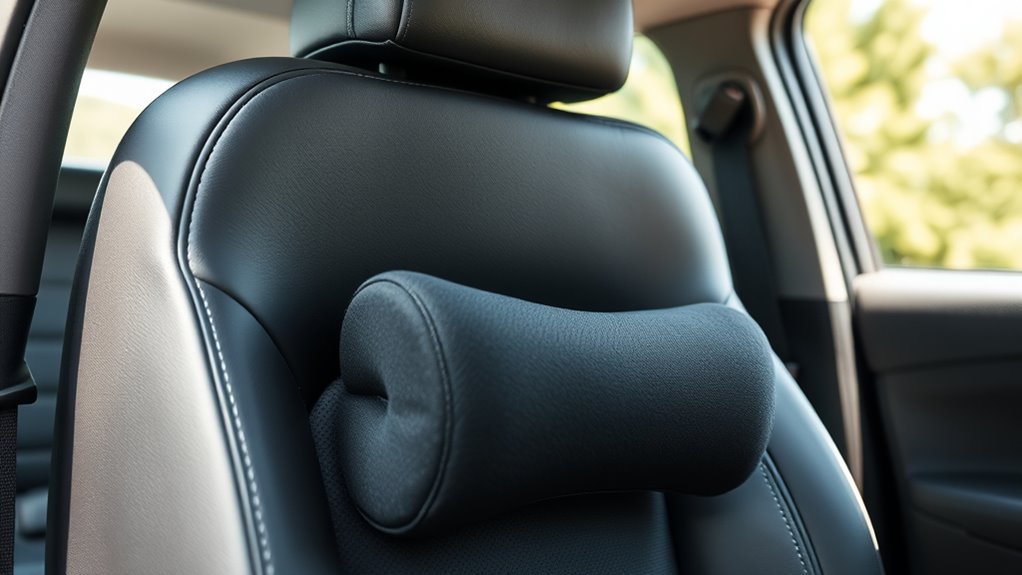
How to Make Car Seat More Comfortable: Easy Tips for Better Support
Many drivers know the struggle of finding a comfortable car seat, especially on long trips. You’re not alone—comfort often feels out of reach, leaving you sore and tired after just a short drive.
Luckily, there are simple ways to improve your seat support and make every ride more relaxing.
To make your car seat more comfortable, start by adjusting the seat position for better support and posture. Add cushions like memory foam or gel pads to improve comfort and distribute weight evenly.
Use lumbar supports to keep your back properly aligned and plush headrests for added relaxation.
Regularly shift your seat during long drives, and consider seeking professional help if discomfort persists.
Keep exploring these simple tips to find even more ways to enjoy a smoother ride.
Key Takeaways
- Adjust your seat position, angle, and lumbar support to keep your body properly aligned and reduce pressure points.
- Use memory foam or gel cushions to add extra comfort and support that’s tailored to your body.
- Keep good posture by making sure your hips are slightly higher than your knees and your back is firmly against the seat.
- Customize your headrest and armrest positions so your shoulders stay relaxed and you have a good view of the road.
- If you still feel discomfort or notice misalignment despite making adjustments, consider consulting a professional for advice.
Check How Comfortable Your Car Seat Really Is
Have you ever wondered whether your car seat truly offers the comfort you need? To find out, start by evaluating your seat’s comfort level based on its seat material and your driving habits.
Assess your car seat’s comfort by considering materials and how your driving routine affects your support.
If your seat is made of stiff leather or rough fabric, it might cause discomfort after long drives. Think about how your driving habits influence comfort—do you commute daily or take long trips?
If you spend hours behind the wheel, even a decent seat can become uncomfortable over time. Try adjusting your seat position to see if it improves support and reduces pressure on your lower back.
Notice if you experience pain or numbness in your hips or legs. That’s a sign you might need better cushioning.
Pay attention to how your body responds during different drives. This self-evaluation helps you understand whether your seat fits your needs or if you should consider modifications or additional supports.
Pick the Best Cushions and Supports for Your Ride
Picking the right cushions and supports can really make a difference when you’re on long drives. It’s all about finding the right type of seat cushion that gives you the support you need for your back and hips.
Take some time to explore different options and see what works best for you. Adjust the cushions and supports so they fit your body perfectly—this way, you’ll stay comfortable and refreshed even after hours on the road.
Types of Seat Cushions
Selecting the right seat cushion can make a big difference in your driving comfort. There are different types designed to meet various needs.
For example, memory foam cushions mold to your shape, giving you tailored support and pressure relief. Gel cushions stay cool and help distribute your weight evenly.
Foam cushions with high-density materials add extra thickness, offering better support. Air-filled cushions let you adjust the firmness, so you can control how soft or firm they feel.
When choosing, think about the materials that match your comfort preferences and the cushion thickness that provides enough support without feeling bulky. The right combo can reduce fatigue and pain during long drives, helping you stay comfortable and alert behind the wheel.
Choosing Proper Support
Finding the right support for your car seat is key to making long drives more comfortable and less tiring. Look for ergonomic designs that help you sit properly and spread pressure evenly.
Choose cushions made from high-quality materials like memory foam or gel-infused foam, which mold to your body and keep you supported. Focus on supports that target your lower back, hips, and thighs to keep everything well-supported.
Avoid cushions that are too soft or too hard, as they can cause discomfort or misalignment. Instead, go for adjustable supports that you can customize to fit your body’s needs.
This way, you can stay comfortable and maintain a natural sitting position, helping to prevent aches and strains during those extended trips.
Adjusting for Comfort
To maximize comfort during your drive, it’s important to adjust your cushions and supports to fit your body’s needs. Start by setting the seat depth so your thighs are well supported and not strained.
Adjust the seat angle and backrest tilt to help you maintain good posture and avoid fatigue. Think about cushion thickness and material—firm cushions give support, while softer ones add comfort, depending on how you like to travel.
Personal preferences matter, so don’t hesitate to try different support options until you find what feels best. Remember to make these adjustments regularly, especially on long trips, to stay comfortable.
Your goal is a seat that molds to your body, providing a good balance of support and comfort for every journey.
Adjust Your Seat for Comfort and Proper Posture
Adjusting your seat just right can really improve how comfortable and supported you feel. Make sure your back is fully supported, and try to sit with your knees at a right angle. Your feet should be flat on the floor—that way, you’re staying balanced and relaxed.
Don’t forget to adjust the lumbar support too. It should fill the curve of your lower back, giving you that extra bit of comfort and helping you maintain good posture throughout the day.
Proper Seat Positioning
Verifying your seat is properly positioned is the first step toward a more comfortable and healthy driving experience. Adjust your seat so that the seat angle supports your back comfortably, preventing fatigue. Make sure your thighs have ample support—your seat should be at a height where your hips are level or slightly above your knees. Position the seat so you can reach the pedals without stretching or straining. Keep your steering wheel within easy reach, maintaining a slight bend in your elbows.
Here are four key tips:
- Set the seat angle to keep your back straight and relaxed.
- Adjust your seat height for better thigh support.
- Confirm your hips are level or slightly higher than your knees.
- Keep pedals within a comfortable reach to avoid strain.
Adjust Lumbar Support
Lumbar support plays an essential role in maintaining proper posture and preventing lower back pain during long drives. To improve your comfort, adjust the lumbar support so it lines up with the natural curve of your lower back.
Most seats have a built-in or adjustable lumbar cushion. Move it forward or backward until it fits snugly against your lumbar region. Proper lumbar alignment helps reduce strain and encourages ergonomic adjustments that support your spine.
Avoid slouching or leaning too far back, as this can cause discomfort over time. Make small, incremental adjustments and test your position by sitting upright with your feet flat on the floor.
Ensuring the lumbar support is correctly positioned will promote better posture and make your drives more comfortable.
Use Memory Foam or Gel Pads to Add Extra Cushioning
Adding memory foam or gel pads to your car seat can really boost comfort by giving extra cushioning where you need it most. Memory foam molds to your body, spreading out your weight and easing pressure points.
Gel pads are great because they absorb vibrations, stay cool, and add a soft layer of support. These little upgrades can make long drives much more comfortable and help prevent discomfort.
Consider these options:
- Memory foam cushions shape to your body for personalized comfort.
- Gel pads stay cooler and help reduce sweating on hot days.
- Layered pads combine memory foam and gel for the best support.
- Portable gel or foam inserts are simple to install and remove whenever you want.
Investing in these pads turns your seat into a plush, supportive throne. It makes every trip more enjoyable and less tiring.
Install Lumbar Supports to Ease Back Pain
Getting the lumbar support in the right spot is really important if you want to ease back pain. Just make sure to position it where your lower back naturally curves—that way, it’ll give you the best support.
You can also pick from adjustable options so you can customize the fit to your liking. That way, you’ll stay comfortable during your drive. When you fine-tune these supports, it helps you keep good posture and makes your seat way more comfortable overall.
Proper Lumbar Placement
To help ease back pain and improve your comfort, it’s important to position lumbar supports correctly. Proper lumbar placement promotes ideal lumbar alignment, which is key for a healthy, ergonomic seat.
When placing the support, make sure it fits snugly against the curve of your lower back, providing firm yet comfortable pressure. Here are four tips to get it right:
- Place the lumbar support at the natural curve of your lower spine.
- Adjust the height so it lines up with your lumbar region, not your hips or mid-back.
- Make sure the support is firm but not rigid, allowing for ergonomic comfort.
- Check that your back stays in contact with the seat, avoiding slouching or overstretching.
Getting the placement right transforms your chair into a supportive, pain-free zone.
Adjustable Support Options
Installing adjustable lumbar supports lets you customize your seat’s comfort and support level. You can add inflatable cushions or ergonomic designs that contour to your lower back, giving targeted relief for back pain.
Inflatable cushions are easy to adjust—you can increase or decrease pressure as needed to stay comfortable. Ergonomic designs promote proper posture, reducing strain on your spine and muscles.
These supports can be positioned exactly where you need extra comfort, making long drives less tiring. By adding adjustable options, you personalize your seating experience and prevent discomfort and fatigue.
Whether you go with inflatable cushions or ergonomic supports, these adjustable support options make your car seat more comfortable and supportive. They help you stay relaxed and pain-free behind the wheel.
Customize Your Headrest and Armrest for Better Support
Adjusting your headrest and armrest can really boost your comfort in the car. Proper headrest positioning supports your neck and helps reduce strain on long drives.
Align the headrest with the top of your head to prevent discomfort and promote good posture. For the armrest, adding padding or adjusting its height allows your arms to rest naturally, easing shoulder tension.
Here are four easy ways to customize your support:
- Adjust the headrest height so it comfortably cradles your head without forcing your neck into an awkward angle.
- Tilt the headrest forward or backward for extra neck support during long trips.
- Add padding to the armrest to soften pressure points and boost comfort.
- Set the armrest at a height that keeps your shoulders relaxed and arms supported.
Making these simple tweaks can make your driving experience much more comfortable and tailored to your needs.
Maintain Good Posture While Driving for Less Fatigue
Maintaining good posture while driving is key to reducing fatigue and avoiding discomfort on long trips. Use ergonomic techniques to keep your spine aligned and prevent slouching.
Adjust your seat so your hips are slightly higher than your knees. This promotes better circulation and less strain during your drive. Keep your back firmly against the seat, supporting your lumbar curves naturally.
Position your steering wheel so your elbows stay slightly bent. This helps minimize shoulder tension and keeps you comfortable.
| Seat Positioning | Body Alignment |
|---|---|
| Seat at a comfortable angle | Back pressed against seatback |
| Lumbar support in place | Shoulders relaxed |
| Feet comfortably on pedals | Hands at 9 and 3 o’clock |
| Headrest aligned with head | Maintain a neutral neck position |
| Mirrors adjusted for visibility | Head centered, not tilted |
Practicing these techniques can make your drive more comfortable and safer by reducing fatigue.
Keep Your Seat Comfortable on Long Trips
To stay comfortable during long trips, focus on optimizing your seat setup to prevent discomfort and fatigue. Your goal is to stay alert and relaxed, so consider these travel essentials and ergonomic accessories:
- Adjust your seat position so your feet comfortably reach the pedals and your back is supported.
- Use lumbar support pillows or cushions to keep your spine properly aligned during those extended hours.
- Install ergonomic accessories like seat cushions or memory foam pads to boost comfort and reduce pressure points.
- Take regular breaks to stretch and move your legs, helping avoid stiffness and circulation problems.
Know When to Get Professional Seat Adjustments
Sometimes, despite your best efforts to customize your seat, discomfort persists or new issues pop up. When this happens, it’s a good idea to consider professional seat adjustments.
A professional evaluation can uncover underlying problems that DIY fixes might miss, like misaligned seat frames or worn-out padding. The benefits of seat modifications are huge; they can improve your posture, reduce pain, and make your driving experience much better.
If you notice ongoing discomfort, numbness, or back pain that doesn’t improve after making adjustments, seeking expert help is smart. Professionals have special tools and knowledge to customize your seat exactly for your body.
They can suggest modifications like lumbar support adjustments or custom foam inserts that are hard to do on your own. Knowing when to get professional help ensures you don’t ignore persistent discomfort and helps keep you comfortable and healthy during every drive.
Quick DIY Hacks to Instantly Improve Seat Comfort
If you need a quick fix to boost your seat comfort, there are simple DIY hacks that can make a noticeable difference right away. These tips focus on improving your seat material and enhancing the ergonomic design for better support.
- Add a memory foam cushion: This molds to your body instantly, giving extra padding and pressure relief, especially on hard seats.
- Use a lumbar support pillow: Place it to match your lower back curve to improve ergonomic support and reduce fatigue.
- Layer with a soft seat cover: A plush cover can turn an uncomfortable seat into a cozy surface.
- Adjust seat positioning: Slightly tilt or slide the seat to align with your ergonomic setup, easing strain on your back and hips.
These hacks are quick, affordable, and effective ways to make your car seat more comfortable right away, so you can enjoy longer drives without discomfort.
Frequently Asked Questions
How Often Should I Replace or Upgrade My Car Seat Cushions?
You should replace or upgrade your car seat cushions every 1 to 3 years, depending on how durable they are and how good the seat ergonomics remain.
Over time, cushions lose their support, which can lead to discomfort and poor posture. It’s a good idea to regularly check if your cushions still keep their shape and firmness.
If they feel flattened or start causing aches, it’s probably time for a replacement. Prioritizing good seat ergonomics helps ensure long-term comfort and supports healthy driving habits.
Are There Specific Materials That Improve Long-Term Comfort?
Did you know that memory foam can improve comfort for long drives? You should consider materials like memory foam, which molds to your body and provides better support over time.
Pair it with breathable fabrics to keep you cool and dry during extended rides. These materials help prevent discomfort, making sure your seat stays supportive and comfortable even after hours on the road.
Upgrading to these options can really make a noticeable difference in your driving experience.
Can Seat Modifications Affect My Vehicle’s Safety Features?
Seat modifications can impact your vehicle’s seat safety and pose modification risks. Altering your seat, like adding cushions or supports, might interfere with airbags or seat belt sensors, reducing their effectiveness.
Always check your car’s safety guidelines before making changes, and consider consulting a professional. Ensuring your modifications don’t compromise safety features helps you stay protected and avoid unintended hazards while driving.
What Signs Indicate My Seat Needs Professional Adjustment?
You should seek professional adjustment if your seat causes persistent discomfort, poor posture, or pain after driving.
Signs include inadequate lumbar support, misaligned ergonomic design, or feeling strained during long trips.
If your seat doesn’t support your lower back properly or feels uneven, a specialist can optimize the lumbar support and overall ergonomics.
Regularly assess your comfort and posture to guarantee your seat promotes safe, supportive driving.
How Do Climate Conditions Impact Car Seat Comfort?
Climate conditions really affect how comfortable your car seat is.
Hot or cold temperatures can make seats uncomfortably warm or chilly, so you might want seat covers or heated seats for added comfort.
Humidity levels play a role too. High humidity can make you feel sweaty or sticky, especially with fabric seats.
Using air conditioning or moisture-wicking seat covers can help keep things comfortable and maintain support, no matter the weather outside.
Conclusion
Remember, your car seat isn’t just a place to sit; it’s your personal sanctuary on the road.
By making simple adjustments and adding supportive cushions, you’re investing in your comfort and well-being.
Think of your seat as a trusted friend, supporting you through every journey.
When you prioritize your posture and comfort, driving becomes more than just a commute. It transforms into a moment of peace.
Isn’t it worth making every mile feel a little more like home?
Enhancing your car seat for better support can make all the difference in your driving experience.