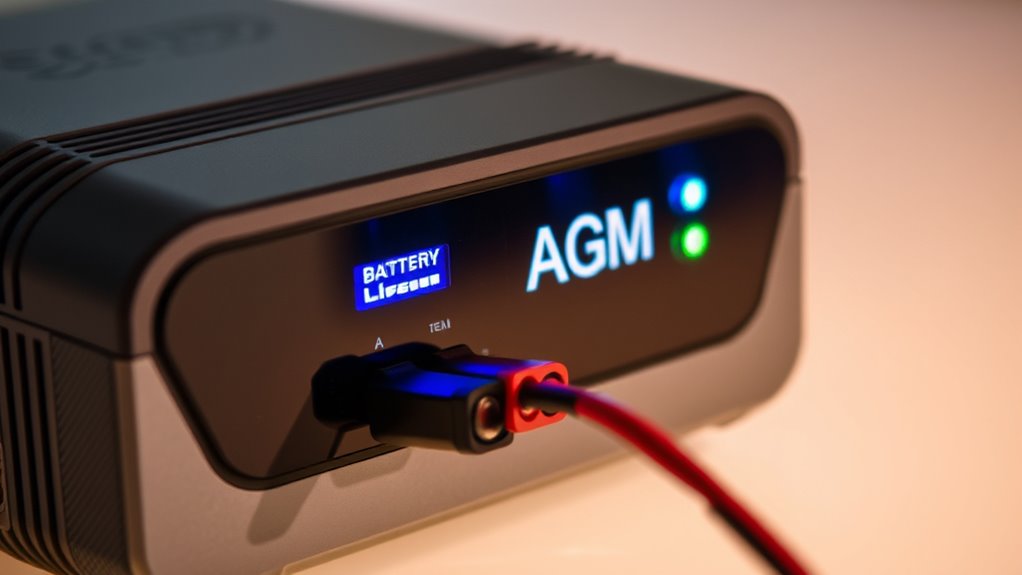
What Does AGM Mean on a Battery Charger? Explained Simply
Many people struggle with choosing the right charger for their batteries, especially when dealing with different types that require specific care. If you’re confused about what AGM means on a battery charger, you’re not alone. Understanding this can help you avoid damage and get the most out of your batteries.
If you see AGM on a battery charger, it means the charger is designed specifically for Absorbent Glass Mat (AGM) batteries, which need unique charging profiles. These batteries are sealed, maintenance-free, and perform better in extreme temperatures compared to traditional lead-acid types.
Using the right charger helps avoid damage and extends battery life.
Want to understand more about AGM batteries and chargers? Keep exploring, and you’ll uncover helpful tips to get the most out of your batteries.
Key Takeaways
- AGM on a charger means it supports Absorbent Glass Mat batteries, making sure it uses the right charging profile.
- These batteries are sealed, maintenance-free, and resistant to spills and vibrations.
- Using a charger compatible with AGM batteries helps prevent overcharging and can extend the battery’s lifespan.
- Always check the charger label or manual to see if it supports AGM to avoid damaging your battery.
- AGM chargers help improve performance, last longer, and lower maintenance costs.
What Does AGM Mean on a Battery Charger?
AGM on a battery charger refers to the type of battery it’s designed to work with—Absorbent Glass Mat batteries. When you see AGM on a charger, it means the device supports AGM technology, which uses a fiberglass mat to absorb electrolyte, making the battery spill-proof and more durable.
This is important because AGM batteries require specific charging profiles to guarantee peak performance and longevity. Using a charger labeled for AGM batteries helps you maintain them properly, avoiding overcharging or undercharging, which can shorten their lifespan.
Proper battery maintenance with the right charger is essential for AGM batteries, especially since they’re often used in high-performance or deep-cycle applications. The compatibility indicated by AGM on your charger guarantees you’re providing the correct voltage and current, leading to safer charging and better overall battery health.
How Do AGM Batteries Differ From Traditional Lead-Acid Batteries?
While AGM batteries share many similarities with traditional lead-acid batteries, their design and performance differences set them apart. AGM technology offers a sealed, maintenance-free design that prevents acid spills and allows for flexible installation.
They use fiberglass mats to absorb and hold the electrolyte, which results in lower internal resistance and faster charging times. This makes AGM batteries more efficient and longer-lasting compared to lead-acid batteries, which often have higher self-discharge rates and are more prone to corrosion.
AGM batteries also perform better in extreme temperatures and provide more consistent power output under heavy loads. Plus, they are less prone to vibration damage, making them ideal for demanding environments.
All these improvements mean you get a more durable, reliable, and high-performance power source with AGM technology. They effectively address many of the shortcomings associated with traditional lead-acid batteries.
Are AGM Batteries Better for Car and Marine Use?
Are AGM batteries a better choice for car and marine applications? Many find that AGM advantages make them ideal for these uses.
They excel in marine performance, offering better resistance to vibrations and rough conditions, which improves durability. For vehicles, AGM batteries provide superior compatibility, supporting higher power demands and quick startups.
Their ability to handle deep cycling makes them suitable for boats and RVs that use power-intensive equipment. Plus, AGM batteries are sealed and spill-proof, so they require less maintenance and are safer in vehicle compartments.
They also endure more charging cycles, which extends their lifespan compared to traditional batteries. However, you should consider that extreme cold or heat can affect performance.
How Do You Know If Your Charger Supports AGM Batteries?
Want to make sure your charger works with AGM batteries? The easiest way is to check its specifications for any compatibility info. Sometimes, you’ll see an AGM label or mention right in the product description. That’s a good sign it’s designed to handle AGM types.
If you’re still not sure, don’t hesitate to look up the manufacturer’s details. They often have more detailed info to confirm whether your charger is suitable for AGM batteries. It’s worth taking a couple of minutes to double-check so you avoid any issues down the line.
Check Charger Specifications
Checking your charger’s specifications is essential to confirm it supports AGM batteries. Start by reviewing the battery types listed in the manual or on the product label. Look for mentions of AGM or absorbed glass mat batteries explicitly.
Also, examine the charging methods supported. AGM batteries need specific charging profiles, like controlled voltage or multi-stage charging. Not all chargers handle these requirements, so make sure your device can deliver the correct voltage and current for AGM types.
Some chargers specify compatibility with various battery chemistries, making it easier to identify support for AGM batteries. If you’re unsure, check the manufacturer’s website or contact customer service to confirm.
Properly verifying these specifications helps prevent damage and ensures your AGM battery performs at its best.
Look for AGM Label
Look for an AGM label on your charger or its packaging to quickly verify compatibility. These labels show that the charger supports AGM batteries, which are a specific type of lead-acid battery.
Recognizing this label helps ensure you’re choosing the right charger for your needs. Here are three ways to confirm support:
- Check the label for “AGM” or “Absorbent Glass Mat” wording.
- Review the packaging or user manual for mentions of AGM-compatible batteries.
- Confirm that the charger’s specifications list AGM batteries as supported.
Consult Manufacturer Details
Consulting the manufacturer’s specifications is one of the most reliable ways to figure out if your charger supports AGM batteries. Check the battery specs or user manual for details about compatible types.
Many chargers clearly indicate whether they support AGM batteries, especially if they’re made for multiple chemistries. If you’re unsure, follow the manufacturer’s recommendations—they provide key guidance to ensure proper charging and avoid damage.
Some chargers automatically detect the battery type, but others need manual settings. Always verify that your charger’s features match the requirements of AGM batteries before connecting them.
Relying on official documentation helps you avoid compatibility issues and ensures safe, efficient charging.
Benefits of Using a Charger Compatible With AGM Batteries
Using a charger designed specifically for AGM batteries ensures your battery gets the right charging process. This can help extend its lifespan and keep its performance at its best.
This compatibility means the charger applies the correct voltage and current, which promotes better maintenance and consistent performance. When you use the right charger, you lower the risks of overcharging or undercharging, both of which can damage the battery over time.
AGM-compatible chargers often feature temperature compensation and automatic shutoff, making them safer and more efficient. This tailored approach helps keep your battery in top condition longer, saving you money on replacements.
It also makes it easier to monitor your battery’s health and performance, giving you peace of mind.
Overall, choosing a charger compatible with AGM batteries ensures peak operation, longer life, and reliable performance. It’s a smart investment for maintaining your battery’s health and efficiency.
Benefits include:
- Accurate maintenance practices
- Improved performance metrics
- Extended battery lifespan
How to Properly Charge AGM Batteries With the Right Charger
To properly charge AGM batteries with the right charger, you need to follow specific steps that guarantee safe and efficient charging. First, pick a charger designed specifically for AGM batteries, since these chargers use specialized techniques to prevent overcharging and damage.
Set the charger to the correct voltage and current recommended by the manufacturer. Make sure to connect the positive lead to the positive terminal and the negative lead to the negative terminal, ensuring solid contact.
During charging, keep an eye on the process regularly to avoid overheating and overcharging, which can harm the battery’s lifespan. Once the battery is fully charged, disconnect the charger promptly.
This careful approach helps maintain your battery’s health and extends its lifespan. Using the right charger and following proper techniques makes sure your AGM battery stays reliable, safe, and functional over time.
Common Charging Mistakes With AGM Batteries and How to Avoid Them
One of the most common mistakes when charging AGM batteries is using the wrong charger or settings, which can lead to overcharging or undercharging. This can damage the battery and shorten its lifespan. To avoid this, follow proper charging techniques and maintenance tips.
First, always use a charger compatible with AGM batteries to ensure the correct voltage and current control. Second, avoid high current rates that can cause overheating and stress the battery.
Third, monitor the charging process regularly and disconnect the charger once the battery is fully charged. Proper charging techniques include setting the right voltage, avoiding excessive heat, and not leaving the battery connected longer than necessary.
Regularly inspecting and maintaining your AGM battery helps prevent common mistakes and keeps it working efficiently longer. Staying mindful of these tips guarantees your battery remains healthy, reliable, and safe to use over time.
When Should You Replace Your AGM Battery and Charger?
How can you tell it’s time to replace your AGM battery or charger? If your battery’s performance drops significantly or it no longer holds a charge, it’s probably at the end of its lifespan. You might notice slow engine starts or dimming electronics, which are signs of reduced capacity.
For the charger, if it no longer charges your AGM battery properly or shows error messages, it might be worn out or incompatible. Chargers made specifically for AGM batteries ensure proper charging and help prevent damage. Using an incompatible charger can shorten your battery’s life.
Regular testing and monitoring can help you catch these signs early. Even if your AGM battery seems fine, using it beyond its recommended lifespan can lead to failure. Replacing both the battery and charger when they show signs of wear or reduced performance helps keep everything running smoothly and avoids unexpected breakdowns.
Tips to Extend the Lifespan of Your AGM Battery
Maximizing the lifespan of your AGM battery starts with proper maintenance and mindful usage. Regular battery care helps prevent issues and keeps your battery performing well. Using the right charging techniques is also essential—avoid overcharging or deep discharging, which can harm the cells.
Here are three tips to extend your AGM battery’s life:
- Keep it charged: Try to maintain a consistent charge level and avoid letting it sit fully discharged for long periods.
- Follow proper charging techniques: Use a charger designed for AGM batteries, and set the correct voltage and current as recommended.
- Monitor temperature: Keep the battery in a cool, dry place to prevent overheating, which speeds up wear.
Is Investing in an AGM Battery Charger Worth It?
Thinking about investing in an AGM battery charger? It might just be one of the best decisions you make for your batteries. These chargers can really help extend the life of your AGM batteries and make sure they charge more efficiently.
Sure, the initial cost might seem a bit steep, but if you look at the bigger picture, you’ll probably save money in the long run. That’s because your batteries will last longer and perform better, meaning fewer replacements and less hassle. All in all, if you’re after reliable power and want to save some cash over time, an AGM battery charger is definitely worth considering.
Increased Battery Longevity
Regarding maintaining your vehicle’s battery health, longevity is a key factor that can save you time and money in the long run. Using an AGM battery charger can really help extend your battery’s lifespan by ensuring it gets the proper charge.
To get the most out of this, follow these simple battery maintenance tips and charging advice:
- Regularly check and clean the terminals to prevent corrosion.
- Avoid deep discharges by recharging before the battery drops below 50% capacity.
- Use an AGM-compatible charger to provide a controlled, consistent charge.
Better Charge Efficiency
Using an AGM-compatible charger not only helps extend your battery’s lifespan but also guarantees it charges more effectively. This improved charge efficiency means your battery stays at peak performance longer and reduces the risk of undercharging or overcharging.
Proper battery maintenance gets easier with the right charger since it adapts to AGM batteries’ specific charging needs. These chargers deliver a controlled, steady current that minimizes heat and stress on your battery, ensuring a complete, safe charge every time.
Cost-Effectiveness Over Time
Although upgrading to an AGM battery charger may seem like a big upfront cost, it often pays off in the long run with better durability and efficiency. You’ll see savings over time as the charger helps extend your battery’s lifespan, cutting down on replacement expenses.
Plus, AGM chargers usually need less maintenance, saving you time and money in the long run. Think about these points:
- Fewer replacements because your battery stays healthier.
- Lower maintenance costs thanks to more reliable charging.
- Better efficiency means energy savings over time.
Even though an AGM charger might seem expensive at first, it’s a smart investment for saving money and avoiding frequent repairs. Overall, it’s a cost-effective choice for the long haul.
Frequently Asked Questions
Can I Use a Standard Charger for AGM Batteries?
You shouldn’t use a standard charger for AGM batteries because charging techniques differ, and not all chargers are compatible. AGM batteries need specific voltage and current levels to charge safely and effectively.
Using a charger not designed for AGM batteries could damage them or shorten their lifespan. Always check if your battery is compatible with your charger before connecting.
It’s best to choose a charger with the right settings for AGM types. This helps ensure safe and proper charging, keeping your battery healthy and working well.
How Long Do AGM Batteries Typically Last?
You might worry about AGM battery lifespan, but with proper care, they usually last 3 to 5 years.
Proper maintenance, avoiding deep discharges, and using the right charger can really help extend their life.
Don’t forget to do regular checks and keep them charged.
Following these simple steps can help you get the most out of your AGM battery and enjoy reliable power for longer.
This way, your investment lasts as long as possible.
Are AGM Batteries More Environmentally Friendly?
Yes, AGM batteries are more environmentally friendly because of their advantages, like being maintenance-free and having a longer lifespan.
You can also participate in AGM battery recycling programs, which help reduce waste and recover valuable materials.
By choosing AGM batteries, you’re supporting eco-friendly practices, reducing hazardous waste, and promoting sustainability.
Their design and recyclability make them a smarter, greener choice for your energy needs.
What Signs Indicate My AGM Battery Needs Replacement?
You’ll know your AGM battery needs replacing if you notice a decline in battery performance, like reduced power or frequent recharging. Pay attention to charging indicators—if they show abnormal behavior, such as slow charging or failure to hold a charge, it’s a sign.
Furthermore, swelling, leaks, or corrosion around terminals suggest it’s time to replace your AGM battery. Doing so ensures reliable performance and safety.
Do AGM Batteries Require Special Maintenance?
AGM batteries do require some special maintenance, but it’s manageable with proper care and techniques.
You should regularly check the terminals for corrosion, keep the battery clean, and store it in a cool, dry place.
When charging, use a charger with an AGM setting to prevent overcharging. Proper maintenance helps extend your AGM battery’s lifespan and ensures reliable performance.
Conclusion
Knowing what AGM means on a battery charger helps you make smarter choices for your vehicle or marine needs. AGM batteries last up to 50% longer than traditional lead-acid ones, according to industry data.
By choosing a compatible charger and following proper maintenance, you can maximize their lifespan and performance. Investing in the right charger is a small upfront cost with big long-term savings.
So, consider upgrading today to keep your batteries running smoothly for years to come. Understanding AGM on a battery charger is key to getting the most out of your batteries.