What Is a Trickle Battery Charger? Benefits & How It Works
Many vehicle owners know the frustration of dealing with a dead or weak battery, especially after periods of inactivity. If you’re tired of constantly jump-starting your car or replacing batteries prematurely, you’re not alone. A trickle battery charger could be the simple solution you need to keep your battery healthy and ready to go.
A trickle battery charger keeps your vehicle’s battery fully charged during inactivity by continuously supplying a low, steady current that matches the battery’s self-discharge rate. It prevents overcharging and extends battery life, making it ideal for seasonal use or long-term storage.
You’ll benefit from low maintenance and protection against battery damage.
To find out how it works, what features to choose, and best practices, keep exploring these essential details.
Key Takeaways
A trickle battery charger supplies a low, steady current to keep a vehicle battery’s charge up over time. It’s perfect for maintaining batteries without needing to disconnect or replace them frequently.
It prevents overcharging and damage by providing a controlled, continuous charge. This way, the battery stays healthy and ready to go when you need it.
Key parts include transformers, rectifiers, voltage regulators, and current limiters. These components work together to ensure safe, consistent charging.
Trickle chargers are great for long-term storage, seasonal vehicles, and backup power systems. They help keep batteries in good shape when they’re not in regular use.
Features like automatic shut-off and float mode make trickle chargers easy and safe to use. They require minimal maintenance and keep your batteries protected.
What Is a Trickle Battery Charger and How Does It Work?
A trickle battery charger is a device made to keep your vehicle’s battery fully charged over time without overdoing it. It delivers a low, steady current that matches the battery’s natural self-discharge rate, helping keep it topped up.
This gentle, constant charging stops the battery from losing its charge during periods of inactivity. It’s especially handy for seasonal vehicles or long-term storage.
Since the charger supplies electricity gradually, it maintains high charging efficiency and avoids damage from overcharging. You won’t need to disconnect or watch your battery constantly.
Instead, the trickle charger quietly works in the background, helping preserve your battery’s health and extend its lifespan. Its simple, reliable operation makes it a must-have for better battery maintenance.
Why Use a Trickle Charger Instead of Regular Charging Methods?
While regular charging methods can quickly restore a battery’s charge, they often aren’t ideal for maintaining it over extended periods. If you want to keep your battery in top condition, a trickle charger offers better battery maintenance.
It delivers a slow, steady current that prevents overcharging and minimizes stress on the battery. This consistent, gentle charging improves efficiency, ensuring your battery stays full without needing frequent recharging.
Regular chargers can cause overheating or lead to sulfation, which diminishes battery life. A trickle charger continuously supplies small amounts of current, making it perfect for long-term storage or infrequent use.
Using a trickle charger reduces the risk of damage and extends your battery’s lifespan. It’s a smart choice if you want reliable, low-maintenance power without constantly monitoring and manually recharging.
Understanding the Key Parts of a Trickle Battery Charger
Sure! Here’s a more conversational version of the text:
If you want to get a good handle on how a trickle battery charger works, it’s helpful to know about its main parts. The charging circuit components are what control the flow of current to the battery, making sure it charges at the right rate. You’ll also find indicator lights on the charger—they tell you whether the battery is charging, fully charged, or if there’s an issue. And don’t forget about safety features, which are really important. They help prevent overcharging and keep both you and your battery safe during the process.
Charging Circuit Components
The core of a trickle battery charger is its circuit components, each playing an essential role in maintaining a steady, safe charge. These parts work together to optimize charging efficiency and protect your battery from overcharging, which can shorten its lifespan.
A transformer steps down the voltage to a safe level, while rectifiers convert AC to DC power for the battery. Voltage regulators keep the current steady, preventing fluctuations that could harm the battery.
Additionally, current limiting devices control the flow of electricity, ensuring a gentle, continuous charge. Together, these components create a reliable system that helps extend your battery’s life while keeping it properly charged.
Understanding these parts helps you appreciate how your trickle charger works so effectively.
Indicator and Safety Features
Indicator and safety features are key parts that make sure your trickle battery charger works properly and safely. Indicator types, like LED lights or digital displays, help you keep an eye on the charging process and warn you about issues like overcharging or faults. They let you stay informed without opening up the device.
Safety features are just as important. They include things like automatic shutoff, fuse protection, and thermal safeguards that prevent overheating or electrical hazards. Some chargers also have reverse polarity protection to stop damage if the connections are swapped.
Together, these features ensure safe operation, protect your equipment, and help your charger and battery last longer. They give you peace of mind during every charging session.
How to Choose the Right Trickle Battery Charger for Your Vehicle
Choosing the right trickle battery charger for your vehicle can seem overwhelming with so many options out there. To help you make a good choice, think about these important factors:
Selecting the ideal trickle charger can be tricky, but considering these key factors makes it easier.
- Battery Capacity: Make sure the charger’s output matches your battery’s size. If it’s too powerful, it might harm your battery; if it’s too weak, it won’t keep it properly charged.
- Vehicle Compatibility: Check that the charger works with your vehicle’s make and model. Some chargers are made specifically for cars, motorcycles, or deep-cycle batteries.
- Charging Features: Look for features like automatic shut-off, float mode, and safety protections. These help ensure safe and efficient charging without overcharging or damaging the battery.
Benefits of Using a Trickle Battery Charger
Using a trickle battery charger offers several key advantages that can keep your vehicle’s battery healthy and ready to go whenever you need it. One major benefit is extending your battery’s lifespan by preventing it from deep discharges and overcharging.
This steady, low-level charging reduces wear and tear, helping your battery stay in prime condition for longer. Moreover, trickle chargers improve charging efficiency by supplying a consistent, controlled current, guaranteeing your battery is kept at the perfect charge level without wasting energy.
This method is especially useful if you don’t use your vehicle often, as it prevents the battery from losing its charge over time. By maintaining a stable charge, you avoid the inconvenience of a dead battery and reduce the need for costly replacements.
Where and When to Use a Trickle Battery Charger
You should consider using a trickle battery charger whenever your vehicle or equipment will be stored for a long time or isn’t used often. It’s great for keeping the battery healthy during these periods.
To follow best practices, use a trickle charger for:
- Seasonal storage, like winter or summer, when vehicles sit unused for months.
- Long-term storage of boats, RVs, or motorcycles to prevent battery drain.
- Backup power systems or tools that aren’t used daily but still need to stay charged.
Using a trickle charger during these times helps prevent battery sulfation and ensures your equipment is ready to go when needed. It’s especially helpful when regular charging isn’t practical.
Remember, the goal is to keep the battery at an ideal charge level so it doesn’t lose capacity over time.
Adding this to your maintenance routine can extend your battery’s lifespan and ensure reliable starting power whenever you need it.
How to Set Up and Use a Trickle Charger
Setting up a trickle charger is pretty simple, but it’s important to follow the right steps for safety and effectiveness. Start by choosing a well-ventilated, dry spot away from anything flammable.
Choose a dry, well-ventilated spot away from flammable materials for safe trickle charger setup.
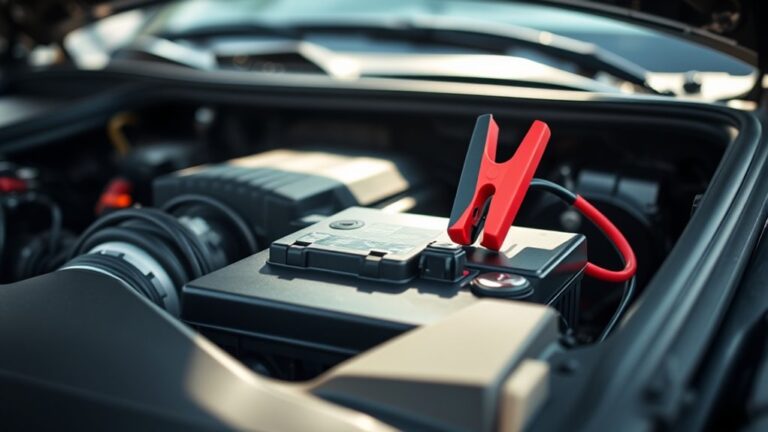
Connect the charger’s positive (red) clamp to the battery’s positive terminal, then attach the negative (black) clamp to the negative terminal. Make sure the connections are secure and correct to avoid sparks or damage.
Plug in the charger and set it to the right mode if needed. Double-check that the charger matches your battery type to prevent any issues.
To keep everything running smoothly, regularly check the connections and keep the charger clean. Always unplug the charger before removing the clamps.
Proper setup and routine maintenance will help your trickle charger work well, extend your battery’s life, and keep your vehicle ready to go.
Troubleshooting Common Problems With Trickle Chargers
Even with proper setup, trickle chargers can sometimes run into issues that keep them from working right. Common problems include charging failures, connection problems, and safety concerns.
Start troubleshooting by checking the connections. Make sure the clamps or terminals are secure and free of corrosion. Loose or dirty connections can cause charging failures.
Next, verify the charger’s settings and make sure they match your battery type. Incorrect settings can lead to malfunction.
Finally, look for any signs of damage or overheating on the charger. These could be safety issues.
Regular maintenance like cleaning terminals and avoiding user errors can help extend your battery’s lifespan.
If problems keep happening, consider replacing the charger or check the manufacturer’s troubleshooting tips.
Dealing with these common issues quickly helps prevent long-term damage, keeps things safe, and ensures your battery stays in good shape.
How Trickle Chargers Compare to Other Battery Maintainers
Trickle chargers are often favored for their simplicity and effectiveness in maintaining a battery’s charge over time, but they are just one type of battery maintainer available.
When comparing trickle chargers to smart chargers, you’ll notice that smart chargers automatically adjust their charging rate, reducing the risk of overcharging and helping extend your battery’s lifespan.
Smart chargers also require less maintenance, as they can shut off or switch to a maintenance mode once the battery is full.
Smart chargers reduce maintenance by automatically switching to maintenance mode once the battery is fully charged.
Regarding charging efficiency, trickle chargers provide a steady, low current, which works well for long-term maintenance but is slower for initial charging.
Compatibility factors are also important—trickle chargers work best with smaller, less complex batteries, while smart chargers are more versatile across different battery types.
Tips for Safely Using Your Trickle Battery Charger
To use your trickle charger safely, it’s important to choose the right charging techniques and settings for your specific battery type. Just double-check those settings before you connect everything — it helps prevent any mishaps.
It’s also a good idea to keep an eye on the battery’s condition and voltage levels from time to time. That way, you can catch any issues early and avoid overcharging, which could damage your battery. Remember, taking a moment to verify everything before plugging in can make all the difference in keeping your battery safe and in good shape.
Proper Charging Techniques
Guaranteeing safe and effective charging starts with understanding proper techniques. First, always connect your trickle charger correctly, making sure the positive clamp goes to the positive terminal and the negative clamp to a grounded metal surface or the negative terminal.
Second, set the charger to the correct voltage and amperage for your battery. Using improper settings can compromise safety and shorten your battery’s lifespan.
Third, avoid overcharging by unplugging the charger once the battery reaches full capacity or when the charger indicates it’s done. Following these steps helps keep charging safe and extends your battery’s life.
Proper charging techniques prevent damage, ensure consistent performance, and maximize your trickle charger’s benefits.
Monitor Battery Regularly
Regularly monitoring your battery while using a trickle charger helps prevent overcharging and potential damage. Keeping an eye on the battery’s health ensures it stays in good shape and performs well.
Check the battery periodically to see how it’s doing and make sure the charger isn’t overcharging. Here’s a quick visual to guide you:
| Battery Status | Charging Intensity | Next Check Time |
|---|---|---|
| Fully charged | Light trickle | In a week |
| Slightly low | Minimal boost | In a few days |
| Degraded | Moderate boost | Weekly |
| Critical | Immediate attention | Daily |
This chart reminds you to adjust how often you check the battery, helping to extend its life and keep it working smoothly.
Use Correct Settings
Using the correct settings on your trickle battery charger is essential for safe and effective charging. To do this, make sure you select the right voltage and ideal amperage based on your battery type. Incorrect settings can damage your battery or reduce its lifespan. Here are three tips:
- Match the correct voltage and amperage to your specific battery type to avoid overcharging or undercharging.
- Adjust the charging duration according to the battery’s capacity and the power source. Always follow safety precautions.
- Use proper connection methods, such as correct polarity, and regularly check the charger’s settings and maintenance tips to keep everything functioning smoothly.
Following these steps guarantees safe operation and helps prolong your battery’s life.
Frequently Asked Questions
Can a Trickle Charger Overcharge My Battery?
A trickle charger is designed to prevent overcharging, so it usually won’t damage your battery if used correctly.
However, some charging myths suggest it could, especially if left connected for too long.
For proper battery maintenance, follow the manufacturer’s guidelines and use automatic chargers with shut-off features.
This way, you avoid overcharging and keep your battery in good shape, ensuring reliable performance and longevity.
Is a Trickle Charger Suitable for All Types of Batteries?
A trickle charger isn’t suitable for all battery types, especially sensitive ones like lithium-ion or gel batteries, which need specific charging methods.
For lead-acid batteries, it works well by maintaining the right charging level without overcharging. Always check your battery’s specifications before using a trickle charger.
Using the wrong charger can damage some batteries, so it’s important to be cautious. Picking the right charger helps ensure your battery performs well and lasts longer.
How Long Should I Leave a Trickle Charger Connected?
You should leave a trickle charger connected for as long as needed to keep your battery charged, which could be weeks or even months depending on your situation.
With smart chargers, they automatically adjust to prevent overcharging, making them perfect for long-term maintenance.
Just remember to check the charger and battery regularly, especially if the battery is in storage or if you notice anything unusual.
This helps ensure your battery stays in top shape and performs well when you need it.
Do Trickle Chargers Work With Both 12V and 24V Batteries?
You’re in luck—trickle chargers can work with both 12V and 24V batteries, but you should check the battery compatibility first. Using the right charger ensures maximum charging efficiency and helps prevent damage.
While many think trickle chargers are only for one voltage, most are actually versatile. Just make sure to verify the voltage rating before hooking it up.
Getting it right means your batteries stay happy, and your vehicle stays ready to go whenever you need it.
Are Trickle Chargers Safe for Outdoor Use?
Yes, trickle chargers are generally safe for outdoor use if they have good durability and weather resistance.
Look for models with waterproof casings and corrosion-resistant parts to ensure they can handle rain, snow, and temperature changes.
Properly designed trickle chargers can safely keep your battery charged outdoors, but always follow the manufacturer’s instructions.
Choosing a weather-resistant charger helps protect your equipment and keeps it working reliably in different outdoor conditions.
Conclusion
A trickle battery charger is a simple, effective way to keep your vehicle’s battery healthy without overcharging.
While some might worry about potential damage, modern trickle chargers are designed with safety features that prevent overuse.
By choosing the right charger and following proper setup, you can enjoy reliable starts and prolong your battery’s lifespan.
It’s a smart investment for anyone looking to maintain their vehicle’s performance effortlessly and safely.
Overall, a trickle battery charger helps protect your battery and ensures it’s ready whenever you need it.