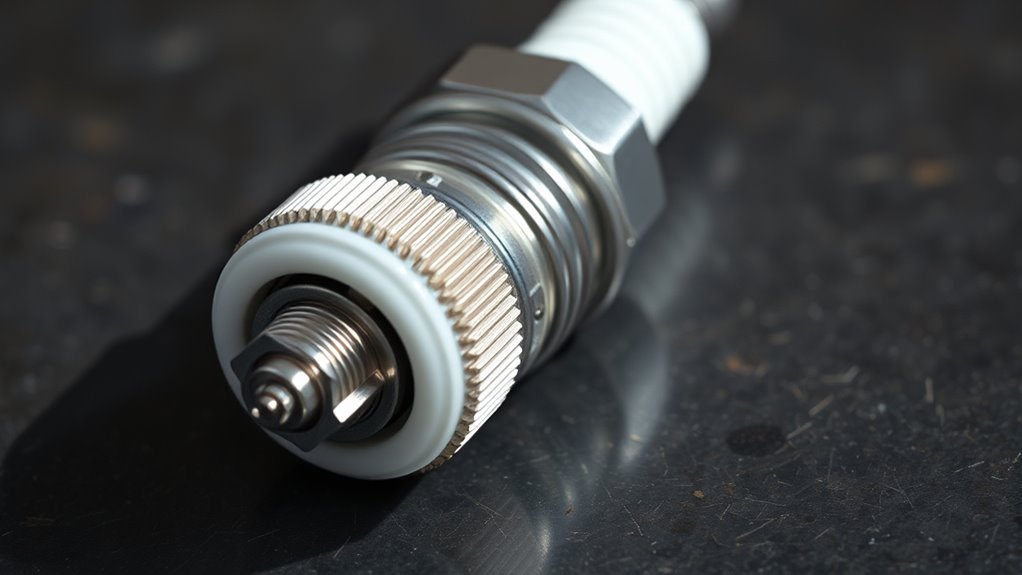
Do Spark Plugs Come Pre Gapped? What You Need to Know
Are you tired of dealing with engine misfires, poor fuel efficiency, or rough starts? Many car owners struggle with spark plug issues, and one common culprit is improper gapping. You’re not alone—getting the right spark plug gap can seem tricky, but it’s essential for smooth engine performance.
Most spark plugs don’t arrive fully gapped to match your engine’s specs, so you’ll need to check and adjust the gap yourself. During manufacturing, precise machinery is used, but manual verification guarantees peak performance. An incorrect gap can cause misfires, poor fuel efficiency, or engine issues.
Proper gapping improves ignition and engine smoothness. If you want to learn how to check, adjust, and why it matters, keep exploring the essential details below.
Key Takeaways
- Many spark plugs come pre-gapped from the manufacturer, but that preset gap might not match your engine’s specifications.
- Always double-check the gap with a feeler gauge before installing, even if it’s pre-gapped.
- Getting the gap right is key to ensuring your engine runs smoothly and uses fuel efficiently.
- Manufacturing processes help keep gapping consistent, but you might still need to make small adjustments.
- Check your vehicle’s owner manual to find the correct spark plug gap for your engine.
Do Spark Plugs Come Pre-Gapped? What You Need to Know
Have you ever wondered if spark plugs come pre-gapped? The answer depends on the spark plug types you buy. Many new spark plugs arrive with a standard gap, but that doesn’t mean they’re always ready for your engine’s specific gap requirements.
Different engines need different gap sizes, so it’s important to check your owner’s manual. Some spark plugs come pre-gapped within factory specs, but others might need a quick adjustment. If the gap isn’t correct, your engine can run poorly, waste fuel, or even misfire.
Always check your owner’s manual to ensure the correct spark plug gap for optimal engine performance.
Always double-check the gap before installing a new spark plug. Quality brands often ship plugs close to the right gap, but it’s still your responsibility to verify. Keep in mind that gaps can vary depending on spark plug types like copper, platinum, or iridium.
Properly gapped spark plugs ensure peak performance and longer lifespan. So don’t skip this step — it’s essential for your engine’s health and efficiency.
How Are Spark Plugs Gapped During Manufacturing?
During manufacturing, spark plugs are carefully gapped using special machinery that sets the distance between the electrodes to exact measurements. It’s a precise process to make sure everything is just right.
After that, factory quality control steps in to double-check each plug’s gap. They do this to ensure every spark plug meets the standards and will perform reliably.
All of this careful work helps produce spark plugs that are ready to perform well right from the moment you install them.
Manufacturing Gapping Process
In the manufacturing process, spark plugs are gapped using precise machinery that guarantees consistency and accuracy. Automated gapping machines measure and adjust the electrode gap to meet strict manufacturing standards, ensuring each plug performs reliably.
These machines use advanced sensors and cutting-edge technology to achieve high gapping accuracy, minimizing variations that could affect performance. Precision in this step is critical because it directly impacts the spark plug’s efficiency and lifespan.
Manufacturers follow strict protocols to maintain quality control throughout the gapping process. By sticking to these standards, they ensure every spark plug leaving the factory is properly gapped, reducing the need for aftermarket adjustments and giving you a reliable, pre-gapped product.
Factory Quality Control
Factory quality control plays an essential role in guaranteeing that spark plugs are properly gapped before they leave the manufacturing line. During this stage, strict quality assurance measures verify that each spark plug meets precise specifications for gap size, which helps maintain spark plug durability and performance.
Automated inspection systems and manual checks confirm that gapping aligns with industry standards, reducing the risk of misfires or engine damage. These controls guarantee consistent quality across batches, so you can trust that pre-gapped spark plugs are reliable.
Why Does the Spark Plug Gap Matter for Your Engine’s Performance?
Your engine’s performance really depends on the spark plug gap because it plays a big role in how well your engine burns fuel. When the gap is just right, it helps the spark ignite the mixture efficiently, so your engine runs smoothly and responds better.
If the gap is too wide or too narrow, it can mess with the ignition timing. That might cause misfires or make your engine lose power, which is definitely not what you want. Keeping the spark plug gap properly set not only boosts performance but also helps protect your engine and makes it last longer by keeping everything running under optimal conditions.
Impacts Combustion Efficiency
The gap between spark plug electrodes is key to how well your engine ignites the air-fuel mixture. When it’s just right, it creates a strong, steady spark that ignites fuel efficiently, boosting combustion.
If the gap is too wide, the spark might weaken, leading to misfires and incomplete combustion. On the other hand, a gap that’s too narrow can produce weak sparks, reducing engine performance.
Getting the spark plug gap right ensures optimal ignition, which means better fuel burn and smoother engine operation. This precise ignition helps your engine generate maximum power while using fuel more efficiently.
Maintaining the correct spark plug gap is essential for consistent engine performance and better fuel economy.
Affects Ignition Timing
The spark plug gap directly influences when the spark happens during the engine’s combustion cycle, which affects ignition timing.
If the gap is too wide, the spark may occur too late, reducing ignition efficiency and causing misfires.
On the other hand, a gap that’s too narrow can cause early sparking, messing up proper timing adjustments.
Properly gapped spark plugs make sure the spark ignites at the best moment, boosting power and fuel economy.
When the gap is correct, your engine runs smoothly, and ignition timing stays steady.
If you notice rough idling or sluggish acceleration, it could be due to incorrect spark plug gaps affecting timing.
Regularly checking and adjusting the gap helps keep ignition timing ideal, so your engine performs its best.
Ensures Engine Longevity
Properly gapped spark plugs reduce stress on engine components, preventing premature wear and damage. When the gap matches your engine’s specifications, it promotes efficient combustion, which is crucial for engine maintenance and extending spark plug lifespan.
Incorrect gaps can cause misfires, knocking, or incomplete combustion. This leads to increased wear and potential damage. Think of the table below as your quick guide to understanding how spark plug gaps impact engine longevity:
| Gap Size | Effect on Engine | Maintenance Tip |
|---|---|---|
| Too Small | Poor combustion | Regularly check gap |
| Too Large | Misfires | Use correct gap |
| Correct | Ideal performance | Maintain during tune-ups |
| Very Wide | Damage over time | Replace as needed |
Keeping the right gap supports your engine’s health and longevity.
Signs Your Spark Plugs May Need Gapping or Replacement
If your engine starts to run rough or stalls unexpectedly, it might be a sign that your spark plugs need attention. Over time, spark plug lifespan decreases, increasing the chance of engine misfires. These misfires can cause uneven acceleration, poor fuel economy, and difficulty starting your vehicle.
Engine misfires and stalls often indicate worn spark plugs needing attention.
Watch for these signs:
- Frequent engine misfires or hesitation during acceleration
- Decreased fuel efficiency and sluggish performance
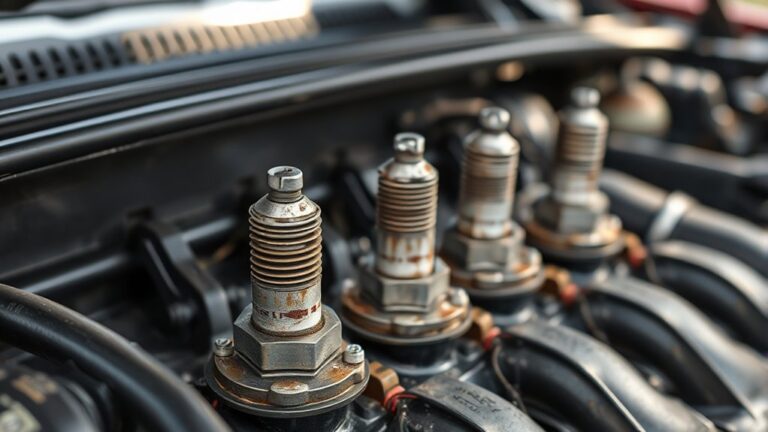
- Visible wear or deposits on the spark plug electrodes
If you notice any of these issues, it’s likely time to check your spark plugs. Worn or fouled plugs can disrupt the ignition process, leading to inconsistent firing. Replacing or gapping your spark plugs can restore peak engine performance and prevent further damage.
Staying aware of these symptoms helps you catch potential problems early, saving you money and keeping your vehicle running smoothly.
How to Check If Your Spark Plugs Are Properly Gapped
Want to see if your spark plugs are gapped correctly? Start by giving them a quick visual check—look for any obvious signs of damage or wear. If everything looks okay, grab a proper gapping tool and carefully measure the gap between the electrodes. It’s important to make sure it matches what your vehicle’s specifications call for. Doing this simple check can save you some trouble down the line and help you know whether your spark plugs need a tweak or a full replacement.
Visual Inspection Techniques
A spark plug’s gap can be visually assessed by inspecting the metal electrode and the gap itself. During a visual check, look for signs of wear, corrosion, or damage that could affect the gap.
Check if the gap looks uneven or if the electrode has rounded edges, which might mean it needs adjusting. A well-gapped spark plug should have a clean, consistent gap with no cracks or heavy buildup.
To help you evaluate, consider these visual clues:
- Metal electrode shape and condition
- Uniformity of the gap
- Presence of corrosion or debris
Performing a thorough visual inspection ensures your spark plug is in good shape and can help you decide if it needs adjusting or replacing.
Proper Gapping Tools
Using the right gapping tools is essential to ensure your spark plugs are set correctly. These tools help you measure and adjust the gap to match your vehicle’s specifications.
The most common tool is a feeler gauge, which allows you to check the gap precisely. When using gapping techniques, gently insert the gauge between the electrode and center plug to see if it fits snugly.
If it’s too tight or loose, carefully bend the ground electrode to make adjustments. Here’s a quick overview of the main tools:
| Tool Type | Purpose | Best For |
|---|---|---|
| Feeler Gauge | Measure and adjust gaps | Precise gap setting |
| Spark Plug Gap Tool | Bending electrode for gap adjustment | Quick adjustments |
| Wire Cutters | Remove excess material if needed | Fine-tuning |
Are Pre-Gapped Spark Plugs Really Time-Savers?
Have pre-gapped spark plugs truly save you time during installation? Many believe they do, offering pre-gapped convenience that speeds things up. Without needing to measure and adjust the gap, you can install the plug quickly, saving effort and reducing errors.
However, relying solely on pre-gapped plugs might compromise spark plug accuracy if the gap isn’t perfect for your engine. Factory gaps aren’t always exactly suited for your specific vehicle, and minor adjustments could be necessary.
Here’s a quick breakdown:
- Pre-gapped convenience makes installation easier, especially for beginners.
- Spark plug accuracy can be affected if the factory gap isn’t right for your engine.
- Time savings depend on whether the pre-gapped plug matches your vehicle’s specifications.
While pre-gapped spark plugs can save time, it’s a good idea to verify the gap to ensure peak engine performance.
When and How to Gasket Spark Plugs Yourself
Gasket spark plugs are an important part that helps prevent leaks and ensures a proper seal between the spark plug and the cylinder head. You should gasket them whenever the existing gasket gets damaged, worn out, or when replacing the spark plug if your vehicle’s manufacturer recommends it.
To gasket spark plugs yourself, start by choosing the right gasket materials, like crush washers or insulating gaskets, based on your vehicle’s specs. When installing, clean the cylinder head threads and seating surface thoroughly to remove debris and any old gasket residue.
Apply a small amount of anti-seize compound if it’s recommended, then carefully thread the spark plug by hand to avoid cross-threading. Use proper installation techniques—tightening to the manufacturer’s torque specifications—to ensure a good seal without damaging the gasket or spark plug.
Gasket spark plug installation helps optimize engine performance and prevents leaks, making it a worthwhile DIY task when you do it correctly.
Tools You Need to Gasket Spark Plugs Like a Pro
To gasket spark plugs like a pro, you’ll need a specific set of tools that guarantee precision and safety during installation. Proper tools help you apply correct gapping techniques and handle different spark plug types with ease.
First, a spark plug gapper or feeler gauge is essential for adjusting the gap accurately. Second, a torque wrench ensures you tighten the plug to the manufacturer’s specifications, preventing damage.
Finally, using anti-seize compound and dielectric grease helps protect against corrosion and ensures reliable electrical connections. These tools make handling various spark plug types, whether copper, iridium, or platinum, much easier.
They also help you achieve peak performance and minimize errors during installation. Remember, precision matters when gapping spark plugs, so investing in quality tools makes a big difference in your success.
Benefits of Gapping Spark Plugs Independently
Gapping spark plugs on your own offers several advantages that can lead to better engine performance and cost savings. When you master proper gapping techniques, you ensure your spark plugs deliver a consistent spark, which improves combustion efficiency.
This can result in smoother engine operation, better fuel economy, and more power. Gapping also lets you customize the spark plug gap based on your vehicle’s specific needs, especially if you’re using different materials like copper, platinum, or iridium.
Each material has unique properties that affect durability and performance. Adjusting the gap accordingly helps maximize their benefits. Plus, gapping your spark plugs independently gives you more control over maintenance.
It helps you spot issues early and avoid unnecessary replacements. Overall, understanding and applying proper gapping techniques ensures your spark plugs work at their best, providing reliable ignition and longer lifespan.
Final Tips for Ensuring Your Spark Plugs Are Set Up Correctly
Ensuring your spark plugs are set up correctly is key to getting the best engine performance. Proper installation and gapping help prevent misfires and keep things running smoothly.
Start by double-checking the gap with a feeler gauge before installing, even if the plugs come pre-gapped. Shipping can sometimes change the gap, so it’s worth a quick check.
Always verify the spark plug gap with a feeler gauge before installation to ensure optimal performance.
Next, tighten the spark plug to the manufacturer’s recommended torque using a torque wrench. This helps avoid damage or poor contact that could cause issues later.
Finally, inspect the electrodes for wear or deposits. These can hinder engine performance and fuel efficiency. Regular checks and maintenance keep your engine running at its best.
Remember, correct gapping and installation are essential for reliable spark plug performance and overall engine health.
- Verify the gap with a feeler gauge before installation
- Use a torque wrench to tighten to manufacturer specs
- Regularly inspect for deposits or wear
Frequently Asked Questions
Can Using Incorrectly Gapped Spark Plugs Damage My Engine?
Using incorrectly gapped spark plugs can damage your engine because it messes with the spark and combustion process. When the gap isn’t right, your engine doesn’t run as smoothly, which can cause misfires and less power.
This can also lead to increased wear on engine parts over time. If the gap is way off, it might even cause serious issues like problems with pistons or valves. Always double-check that your spark plugs are gapped according to your vehicle’s specs.
Doing this helps keep your engine running at its best and can save you from expensive repairs down the line.
Do All Spark Plugs Come With Adjustable Gapping?
Not all spark plug types come with adjustable gapping. Some are pre-gapped for convenience, while others need you to use gapping tools to fine-tune the distance.
If you go with non-adjustable types, make sure they match your engine’s specifications. For adjustable spark plugs, a simple gapping tool helps you set the perfect gap.
This ensures smooth engine performance and helps avoid potential damage.
How Often Should I Check Spark Plug Gap During Maintenance?
You should check your spark plug gap during regular spark plug maintenance, ideally every 30,000 miles or as recommended by your vehicle manufacturer. Regular gap measurement helps ensure your engine runs smoothly and efficiently.
Keep a gap gauge handy, and when inspecting, make sure the gap matches your spark plug’s specifications. Adjust if necessary to prevent misfires and keep your engine running smoothly.
Doing this regularly can help extend the lifespan of your spark plugs and keep your vehicle performing at its best.
Are Platinum or Iridium Spark Plugs Pre-Gapped?
Platinum and iridium spark plugs often come pre-gapped, but it’s important to double-check with gapping tools to ensure the correct spacing.
These high-quality plugs are designed for durability and better performance, so they usually arrive ready to install.
However, always verify the gap before installing to prevent misfiring or engine problems, as slight adjustments might be needed for optimal operation.
What Are the Risks of Installing Spark Plugs Without Checking the Gap?
You risk compromising spark plug performance if you install them without checking the gap. Incorrect gap measurement can lead to misfires, poor fuel efficiency, and engine knocking.
Even pre-gapped plugs might need minor adjustments for your vehicle. Skipping this step might seem quick, but it can cause long-term engine damage.
Always verify the gap with a gauge to guarantee peak performance and avoid costly repairs later.
Conclusion
Now that you know whether spark plugs come pre-gapped and how to handle them, you’re ready to unlock your engine’s full potential. Imagine your car roaring like a beast, with perfect sparks firing at just the right moment—no misfires, no hesitation.
Gapping your spark plugs isn’t just a chore; it’s the secret weapon to turbocharging your ride’s performance. Get it right, and you’ll see your engine run smoother, faster, and more fiercely than ever before.
And remember, choosing the right spark plug gap is key. When you get it right, your engine will perform like never before, making every drive an exhilarating experience.