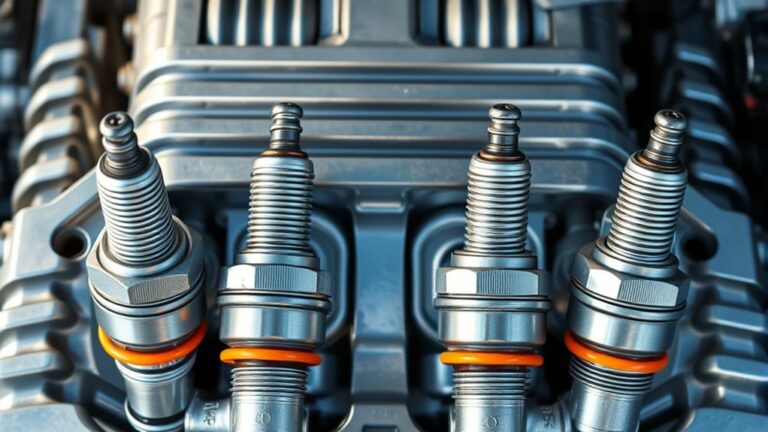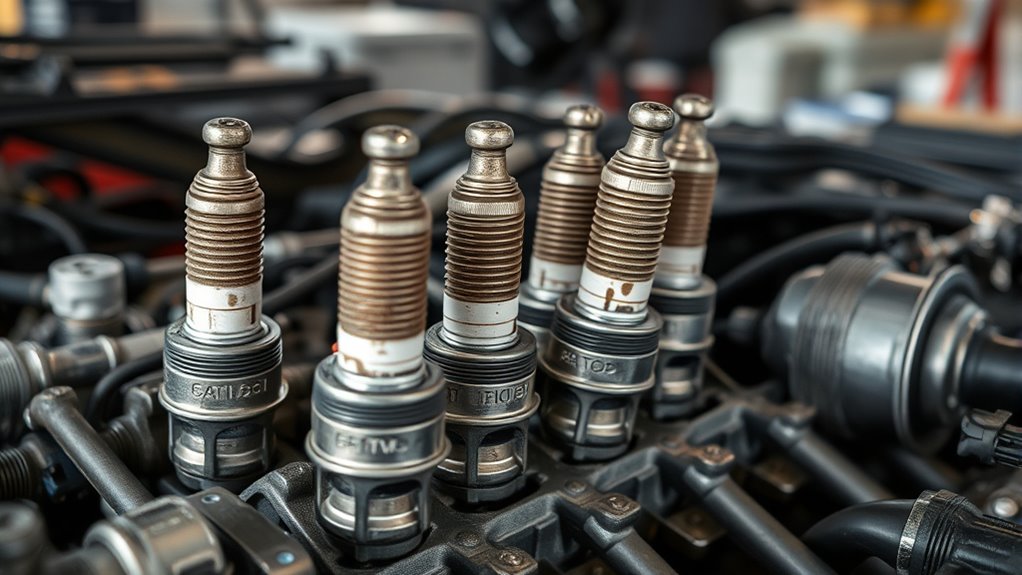
Will Bad Spark Plugs Throw a Code? What You Need to Know
Are you tired of dealing with engine problems that seem to come out of nowhere? Many people struggle with understanding what’s wrong when their check engine light pops up.
One common cause is bad spark plugs, which can be tricky to diagnose. You’re not alone in wondering if these issues could be throwing a code.
Yes, bad spark plugs can definitely throw a code, usually indicating misfires or ignition issues with codes like P0300 or P0301-P0304.
If your check engine light comes on, it’s often a sign that your vehicle’s ECU has detected a problem with the spark plugs or related components.
Catching these codes early can save you from more expensive repairs down the line.
Keep going to learn what signs point to worn-out plugs and how to handle them effectively.
Key Takeaways
- Yes, faulty spark plugs can set off OBD-II codes like P0300 or P0301-P0304 for misfires.
- Misfire codes point to issues with spark plugs, the ignition system, or fuel delivery.
- Regular diagnostics can catch misfire codes early, giving you a heads-up about potential spark plug problems.
- Worn or damaged spark plugs are common causes of misfire codes and can make the engine run rough.
- Addressing misfire codes promptly can help prevent further engine damage and keep things running smoothly.
Can Bad Spark Plugs Cause the Check Engine Light to Turn On?
Absolutely, bad spark plugs can cause the check engine light to turn on. Over time, spark plug lifespan diminishes, especially if you neglect regular maintenance.
When spark plugs wear out, they struggle to ignite the fuel-air mixture properly, which affects your ignition system’s efficiency. This misfire can trigger the vehicle’s onboard computer to detect irregularities and activate the check engine light.
Common signs include rough idling, trouble starting, or decreased fuel economy. The engine control unit (ECU) monitors spark plug performance, so if it senses incomplete combustion or misfires, it will log a trouble code and turn on the warning light.
Rough idling, starting issues, and poor fuel economy signal spark plug problems detected by the ECU.
Even if the spark plugs aren’t completely worn, fouling or damage can cause similar issues. Your vehicle’s system is designed to alert you when it detects problems in the ignition system.
It’s important to address spark plug issues promptly to avoid further engine damage.
How Do Spark Plugs Affect Your Engine’s Performance?
Spark plugs play an essential role in your engine’s performance because they are responsible for igniting the fuel-air mixture in each cylinder. The type of spark plug you use, whether copper, platinum, or iridium, impacts how efficiently your engine runs.
Different spark plug types have varying heat ranges and durability, affecting ignition quality and overall power. If your spark plugs are worn or incompatible with your engine tuning, you might notice sluggish acceleration, rough idling, or reduced fuel economy.
Properly maintained and correctly gapped spark plugs guarantee a strong, consistent spark, promoting peak combustion. When engine tuning is adjusted, such as changing the fuel mixture or timing, the right spark plug type becomes even more critical.
Poor spark plug performance can cause misfires, power loss, and increased emissions. Ultimately, choosing the correct spark plugs and maintaining them well helps your engine operate smoothly, efficiently, and with maximum performance.
What OBD-II Error Codes Indicate Spark Plug Problems?
When your car runs into a spark plug problem, it usually throws up certain OBD-II error codes. These codes are like a car’s way of telling you, “Hey, something’s wrong with the spark plugs!” They can point to issues like misfires or poor fuel economy that happen because of faulty or worn-out plugs.
Getting familiar with these common error codes can really make troubleshooting a lot easier. Instead of guessing, you can quickly identify if spark plugs are the culprit and get your car back to running smoothly.
Common Error Codes Identified
Are you noticing your vehicle throwing error codes related to ignition or misfires? These codes often point to issues with your spark plugs, especially if they’ve reached the end of their lifespan.
Common OBD-II codes like P0300 (random misfire), P0301-P0304 (cylinder misfire), or P0171 (fuel system lean) can indicate spark plug problems. Diagnostic tools help identify these trouble codes quickly, giving you clues about whether spark plugs are causing the issue.
If misfire codes appear, it’s a good idea to check your spark plugs for wear, fouling, or damage. Recognizing these common error codes can save you time and money by helping you focus your troubleshooting efforts on spark plug maintenance or replacement.
Diagnosing Spark Plug Issues
Diagnosing spark plug issues often involves paying attention to specific OBD-II error codes. Codes like P0300 (random misfire) or P0301-P0308 (cylinder-specific misfire) can point to spark plug problems.
Different spark plug types, such as copper, platinum, or iridium, wear differently and can trigger ignition system faults if worn or damaged. These error codes help you determine if the issue stems from spark plugs, especially if combined with symptoms like rough idling or poor acceleration.
Signs Your Spark Plugs Are Worn Out or Failing
Your engine’s performance depends a lot on your spark plugs. If they’re worn out or failing, your ignition system won’t work efficiently. Catching the signs early can save you from bigger repairs down the road.
Here are three main signs to look out for:
- Misfires or Rough Idling: Worn spark plugs can make your engine misfire or run rough, especially when idling.
- Difficulty Starting: If your vehicle is hard to start or takes longer than usual, it could be a sign of spark plug problems affecting the ignition.
- Reduced Fuel Efficiency: A drop in miles per gallon often points to worn spark plugs because they don’t burn fuel properly.
How Do Faulty Spark Plugs Impact Emissions and Fuel Economy?
When your spark plugs aren’t working right, your engine doesn’t burn fuel as effectively as it should. That means more emissions because the combustion process isn’t happening cleanly. Faulty spark plugs can cause incomplete burning of the fuel, which leads to higher amounts of pollutants in the exhaust.
Plus, when the spark plugs aren’t firing properly, your car has to work harder to run. This usually results in using more fuel than necessary, so your overall fuel economy takes a hit. Basically, worn-out or damaged spark plugs can make your vehicle less eco-friendly and more expensive to run.
Increased Emissions Levels
Faulty spark plugs can significantly boost your vehicle’s emissions because they mess up the combustion process. When combustion isn’t efficient, unburned fuel and pollutants get released into the environment. This not only harms the environment but can also cause your car to fail inspection.
Here are three ways faulty spark plugs affect emissions:
- They cause increased hydrocarbon emissions because the fuel doesn’t burn completely.
- They raise carbon monoxide levels due to poor ignition.
- They lead to higher nitrogen oxide emissions from irregular combustion temperatures.
These emissions contribute to pollution and may trigger your check engine light. Ignoring faulty spark plugs can make your car more harmful to the environment and cause it to fall out of compliance with emission standards. This can result in penalties and higher repair costs.
Reduced Fuel Efficiency
Poor spark plugs disrupt the combustion process, leading to incomplete burning of fuel. This inefficiency causes your engine to work harder, which reduces fuel economy.
When spark plugs misfire or fail to spark properly, fuel injectors still deliver fuel, but combustion efficiency drops. As a result, more fuel is used to produce the same power, decreasing miles per gallon.
You might notice your vehicle needing more frequent refueling or feeling sluggish during acceleration. Faulty spark plugs also cause irregular combustion, stressing other engine parts and worsening overall performance.
Fixing spark plug issues quickly can restore proper combustion, boost fuel efficiency, and help your engine run smoothly. Ignoring these problems can lead to higher fuel costs and increased emissions, impacting both your wallet and the environment.
How Do Mechanics Diagnose Spark Plug Issues?
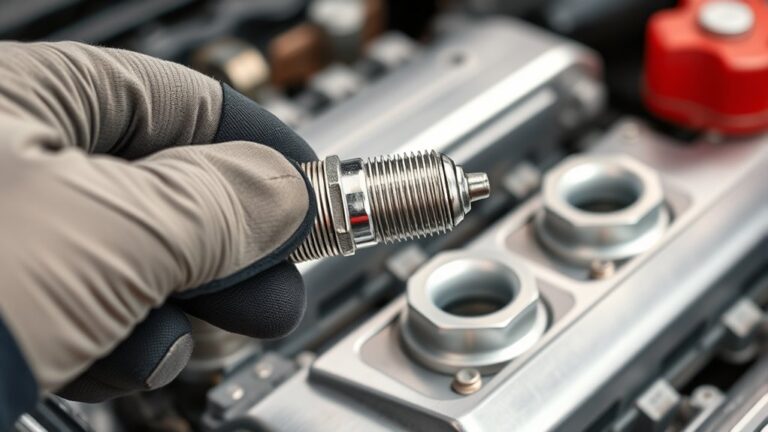
Mechanics usually start diagnosing spark plug issues by visually inspecting the plugs for signs of wear, carbon buildup, or damage. They check different spark plug types to see if the right one is installed for your vehicle’s ignition system. If the plugs look worn or fouled, it could point to problems with the ignition system or the quality of the spark plugs.
To narrow down the problem, mechanics often follow these steps:
- Check Spark Plug Condition: They look for cracks, deposits, or erosion that might cause misfires.
- Test Ignition System Components: Using a spark tester, they verify if the ignition coil and wiring are delivering the proper voltage.
- Conduct a Compression Test: This confirms whether the engine’s cylinders are sealing properly, which impacts spark plug performance.
This process helps determine if faulty spark plugs or related ignition parts are causing the issues, guiding what repairs are needed.
When Should You Replace Your Spark Plugs?
Knowing when to replace your spark plugs is key to keeping your engine running smoothly. Usually, spark plugs last between 30,000 and 100,000 miles, but this depends on the type and how you drive. Check your vehicle’s owner’s manual for the exact recommendation.
As spark plugs get older, they can become fouled or worn out, which can cause misfires and lower fuel efficiency. A worn ignition system struggles to produce a strong spark, leading to rough idling and less power.
You should consider replacing your spark plugs if you notice your engine running rougher, having trouble starting, or if the plugs look worn or dirty during inspections. Regular replacements can prevent damage to other parts and keep your engine running smoothly.
Keeping track of your mileage and swapping out spark plugs within the recommended interval helps maintain good ignition system performance. It also helps you avoid costly repairs down the line.
Common Symptoms of Bad Spark Plugs You Should Watch For
If your engine keeps misfiring more often than it should, that’s usually a good sign your spark plugs might be on their way out. You could also notice that your car isn’t quite as fuel-efficient as it used to be, or maybe it’s idling rough and even stalling sometimes. So, if any of these things happen, it’s a good idea to keep an eye on your spark plugs and get them checked out before things get worse.
Engine Misfires Frequently
When spark plugs start to wear out or malfunction, one of the most noticeable signs is engine misfiring frequently. This can affect how your engine runs and mess with the ignition timing, which might cause rough idling or hesitation.
Here are three signs to watch for:
1. Engine Jerks or Stalls
You might feel sudden jerks or stalls during acceleration, which points to misfires.
2. Rough Idle
The engine may run unevenly when idling, often with vibrations or sputtering.
3. Difficulty Starting
Hard starts or extended cranking can be a sign that spark plug issues are affecting ignition timing.
If you notice these symptoms, your spark plugs could be the cause of frequent misfires. This can impact your engine’s overall performance and increase the risk of damage.
Reduced Fuel Efficiency
Reduced fuel efficiency is a common sign that your spark plugs might be failing. When spark plugs don’t ignite the fuel-air mixture properly, your engine has to work harder, which means using more fuel.
You might notice you’re filling up more often or that your overall fuel costs are going up. To avoid bigger issues, make sure to regularly check and replace worn spark plugs.
Keeping your spark plugs in good shape ensures better combustion, which helps improve fuel efficiency. If you suddenly see fewer miles per gallon, it’s a good idea to check your spark plugs.
Addressing this early can help keep your vehicle running smoothly and save you money in the long run.
Rough Idling or Stalling
Rough idling or stalling often signals that your spark plugs aren’t firing properly. When your engine hesitates or struggles to run smoothly, it’s a good idea to check your spark plugs.
You might notice rough acceleration or unusual engine hesitation, especially at low speeds or when accelerating. Here are some common signs to watch for:
- The engine randomly stalls or sputters at stops.
- You experience rough idling, with the engine feeling uneven.
- You notice hesitation or difficulty when trying to accelerate smoothly.
These issues usually point to misfires caused by worn or dirty spark plugs. Addressing spark plug problems early can prevent further damage and help your vehicle run better.
Should You See a Mechanic for Spark Plug Problems?
If your vehicle is misfiring, having trouble starting, or if you notice a significant drop in fuel efficiency, these are clear signs your spark plugs might need some attention. It’s usually best to see a mechanic rather than trying to fix it yourself.
Spark plug maintenance can get tricky, and messing with them the wrong way could cause more engine problems. A professional mechanic can accurately figure out if the issue is with the spark plugs or something else.
They have the right tools and experience to inspect, replace, or adjust spark plugs properly. This ensures your engine runs smoothly and avoids unnecessary damage.
Ignoring these signs could lead to bigger engine issues and expensive repairs later on. Relying on a mechanic for spark plug problems saves you time and guarantees the fix is done right the first time.
When you’re unsure, it’s always safest to get professional advice. It helps keep your engine healthy and performs at its best.
Tips for Maintaining Healthy Spark Plugs and Preventing Failures
Maintaining healthy spark plugs is key to keeping your engine running smoothly and efficiently. Taking good care of them can help them last longer and prevent failures.
Make sure to schedule routine inspections. Check your spark plugs regularly for signs of wear, corrosion, or deposits. Catching problems early can save you from unexpected breakdowns.
Replace your spark plugs as recommended. Usually, that’s every 30,000 to 50,000 miles. Following this schedule helps prevent buildup and misfires.
Using quality fuel and additives is also a good idea. They help keep your spark plugs clean and free of carbon deposits, which extends their lifespan.
Frequently Asked Questions
Can a Bad Spark Plug Cause Misfire Codes Without Triggering a Check Engine Light?
A bad spark plug can cause misfire codes without triggering a check engine light. You might notice spark plug symptoms like rough idling, poor acceleration, or increased fuel consumption.
Misfire indicators such as engine hesitation or uneven running can happen even if the check engine light stays off. This is because the vehicle’s system doesn’t always detect or prioritize minor misfires.
Are All Engine Codes Related to Spark Plugs Easy to Diagnose?
Not all engine codes related to spark plugs are easy to diagnose, but some are straightforward. It really depends on the specific issue and how clear the symptoms are.
Different spark plug types, like platinum or iridium, can impact performance issues and trigger engine diagnostics. These differences can make diagnosing a bit more complex.
When you’re trying to figure out what’s wrong, you’ll need to consider symptoms, check for misfire codes, and inspect the spark plugs directly.
Using the right tools and understanding how various spark plug types affect engine behavior can help you identify problems more efficiently during diagnostics.
How Often Do Spark Plugs Typically Need Replacement to Prevent Code Issues?
Think of your spark plugs as the heartbeat of your engine.
Generally, spark plug lifespan ranges from 30,000 to 50,000 miles, but this can vary based on your driving habits and the quality of the plugs.
To prevent code issues, it’s best to follow the replacement schedule in your vehicle’s manual.
Regular inspections and timely replacements help keep your engine running smoothly.
They also help avoid misfires or performance problems that could trigger engine codes.
Can Using the Wrong Type of Spark Plug Cause the Engine to Throw a Code?
Using the wrong spark plug types can cause your engine to throw a code because it affects engine compatibility. When you install spark plugs that don’t match your vehicle’s specs, it can lead to misfires, poor fuel efficiency, or irregular combustion.
Your car’s computer detects these issues and triggers a diagnostic trouble code. To avoid unnecessary codes and engine problems, always verify that you choose spark plugs compatible with your engine.
Do Spark Plug Problems Always Result in Noticeable Engine Performance Issues?
Spark plug problems don’t always cause noticeable engine performance issues. Sometimes, a spark plug’s lifespan is nearing its end, and you might not feel any symptoms yet.
However, as they wear out, you could notice performance symptoms like rough idling, misfires, or reduced fuel efficiency. Regular inspections and maintenance help catch these issues early, preventing more serious engine problems down the line.
Conclusion
Regularly checking and replacing your spark plugs can prevent costly repairs down the road. Did you know that worn spark plugs can reduce fuel efficiency by up to 30%?
By staying attentive to signs of wear and understanding how they influence your engine’s performance, you keep your car running smoothly and save money.
Don’t ignore that check engine light. Addressing spark plug issues early, especially if they throw a code, can make all the difference in maintaining your vehicle’s health.